Tarangire National Park

Overview

Tarangire National Park covers approximately 2,850 sq km in northern Tanzania’s Rift Valley region, about two hours from Arusha by road. The park receives much of its recognition from large elephant populations, ancient baobab trees, and the Tarangire River, which acts as a year round water source during the dry season. Open grassland, acacia woodland, riverine vegetation, and seasonal swamps create a mixed ecological setting that supports substantial wildlife concentrations during certain months of the year.

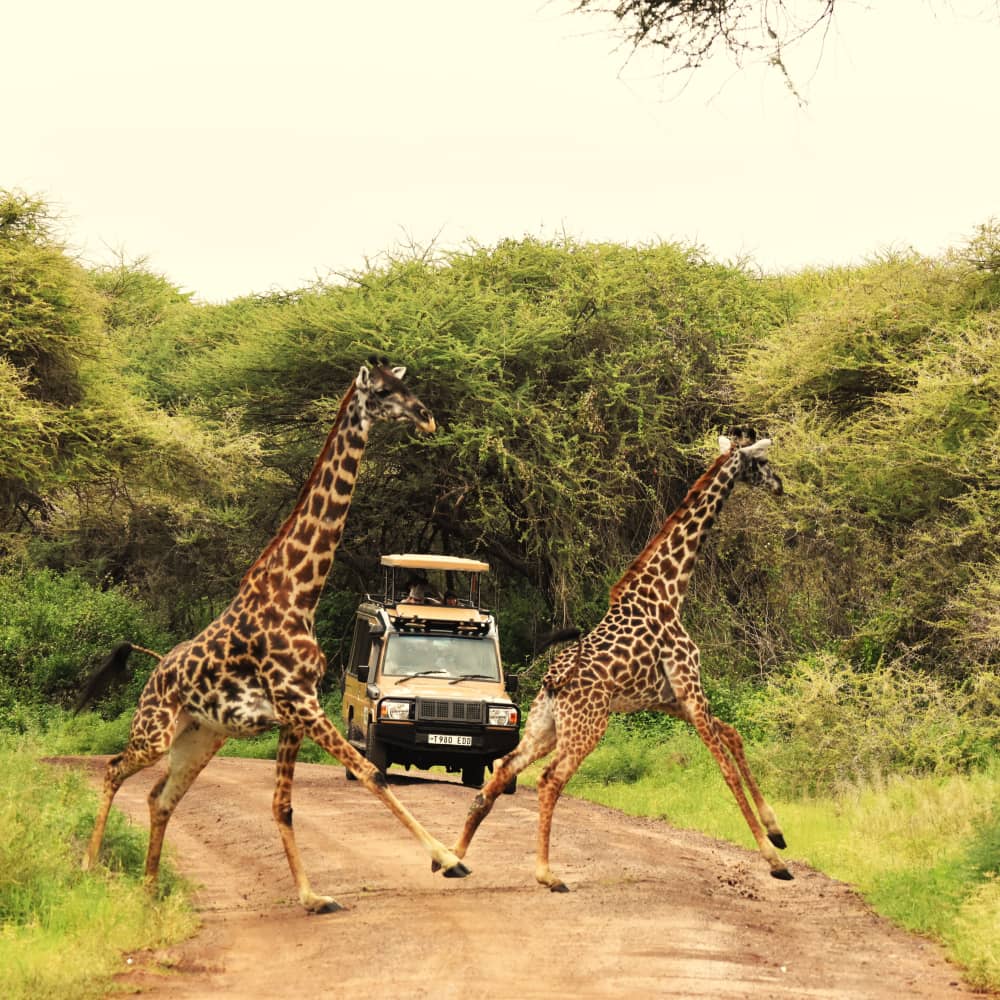
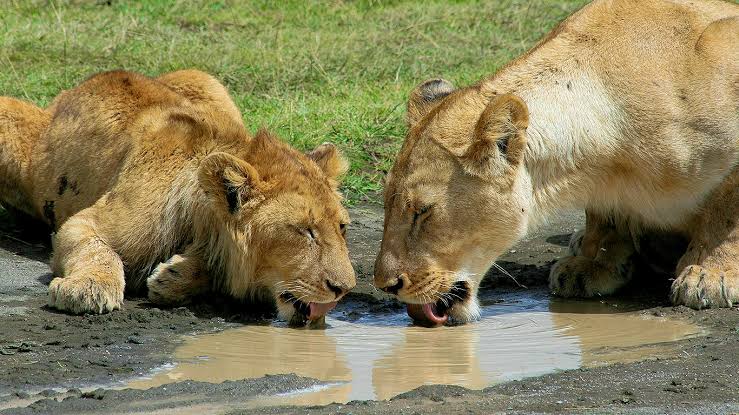
Tarangire also shares ecological space with nearby Maasai communities whose cattle routes and settlements surround sections of the protected area. Lion, leopard, buffalo, giraffe, zebra, and wildebeest are regularly recorded here, alongside smaller species such as dik dik and gerenuk. Compared to Serengeti and Ngorongoro, Tarangire receives fewer vehicles, giving several sections of the park a quieter atmosphere during game drives.

Best Time to Visit Tarangire National Park

Some argue the best time to visit Tarangire National Park is between June and October, when the dry season draws large numbers of wildlife to the Tarangire River. But in fact, you can visit Tarangire National Park any time of year and still enjoy an exceptional safari. Depending on your interests and travel goals, here’s what you can expect when visiting Tarangire National Park.

February to May

This period coincides with the green season when rainfall changes the park’s appearance considerably. Grass grows taller, seasonal wetlands refill, and migratory birdlife increases around swamp areas. Wildlife disperses more widely because water becomes easier to access outside the river system. Road conditions occasionally become difficult after heavy rain, though visitor numbers is relatively low during these months.

June to September

Dry season months attract the highest concentration of wildlife near the Tarangire River and permanent water points. Vegetation becomes thinner, making animal viewing easier during game drives. Elephant herds gather in larger numbers, while predators spend more time near active grazing areas. Conditions are cooler during early mornings and evenings, especially between June and August.

October to January

The short rains usually begin during this period, though conditions differ yearly. Wildlife activity is still rewarding around central parts of the park, while birdlife increases after early rainfall. December also brings higher safari traffic because of holiday travel. Landscapes start changing from dry dust coloured terrain to greener vegetation before the heavier rains arrive later.

Popular Activities In Tarangire National Park

Game Viewing

Game drives in Tarangire usually focus on the river system, floodplains, and woodland sections where wildlife gathers during dry months. Elephant herds are one of the park’s main attractions, though lion, leopard, buffalo, giraffe, zebra, and antelope species are also recorded regularly. Several safari routes pass through quieter sections with limited vehicle traffic compared to Serengeti.

Birdwatching

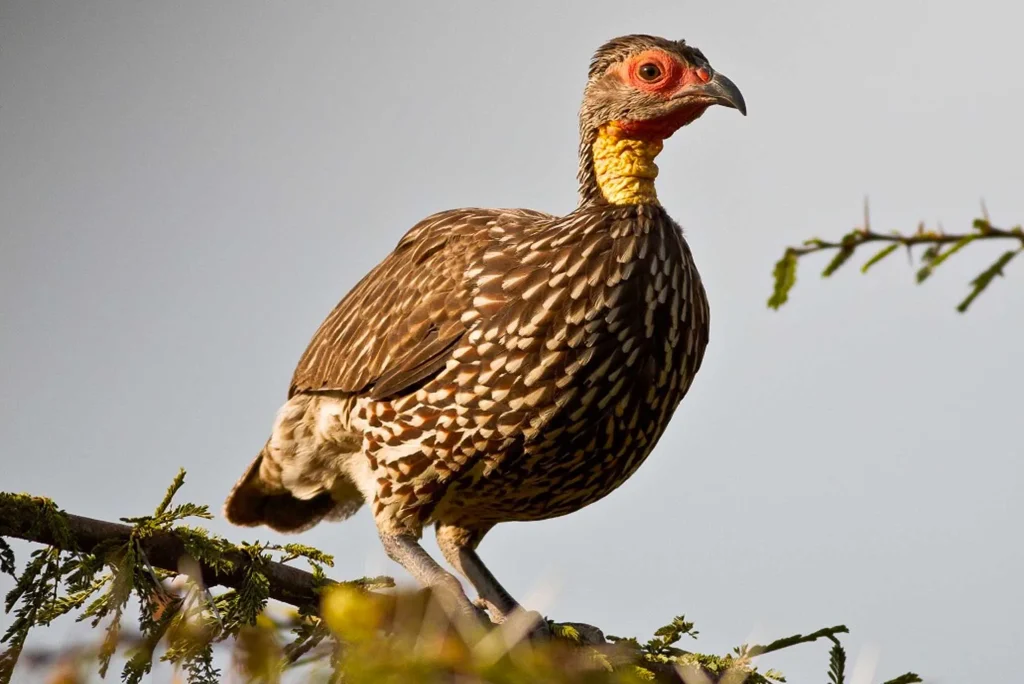
Tarangire boasts more than 500 recorded bird species, making it one of Tanzania’s useful birding locations during the green season. Swamps and seasonal wetlands attract water birds such as herons, storks, and pelicans, while dry woodland zones feature hornbills, lovebirds, and raptors. Bird activity increases substantially after rainfall between November and May.

Guided Bush Walks

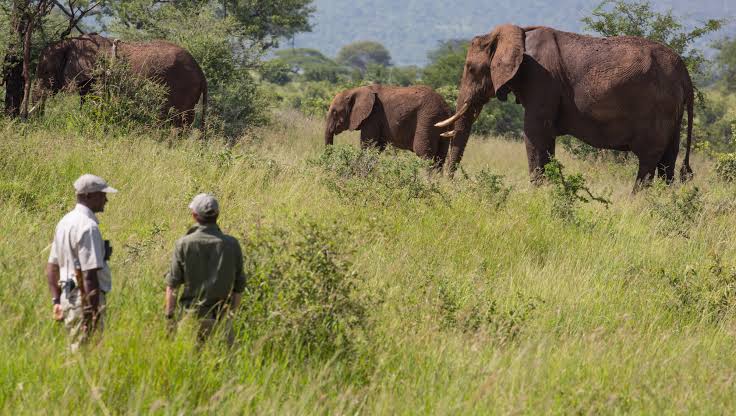
Guided bush walks take place in designated areas outside the main predator zones and usually involve armed park rangers alongside local guides. The activity focuses less on large wildlife and more on spoor identification, native vegetation, smaller species, and ecological details rarely discussed during vehicle based safaris. Early morning conditions generally provide the most comfortable temperatures for walking.

Visiting the Maasai Boma

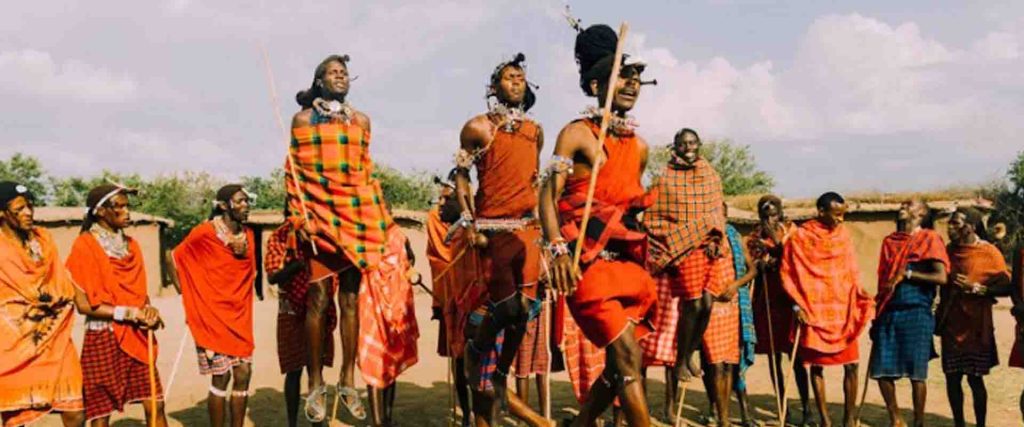
Visits to Maasai communities near Tarangire introduce travellers to pastoral traditions still practiced in many rural parts of Tanzania. Activities may include discussions about livestock keeping, local housing construction, beadwork, and community customs. Experiences differ between villages, though respectful interaction and advance coordination through guides or lodges is vital.

Hot Air Balloon Safari

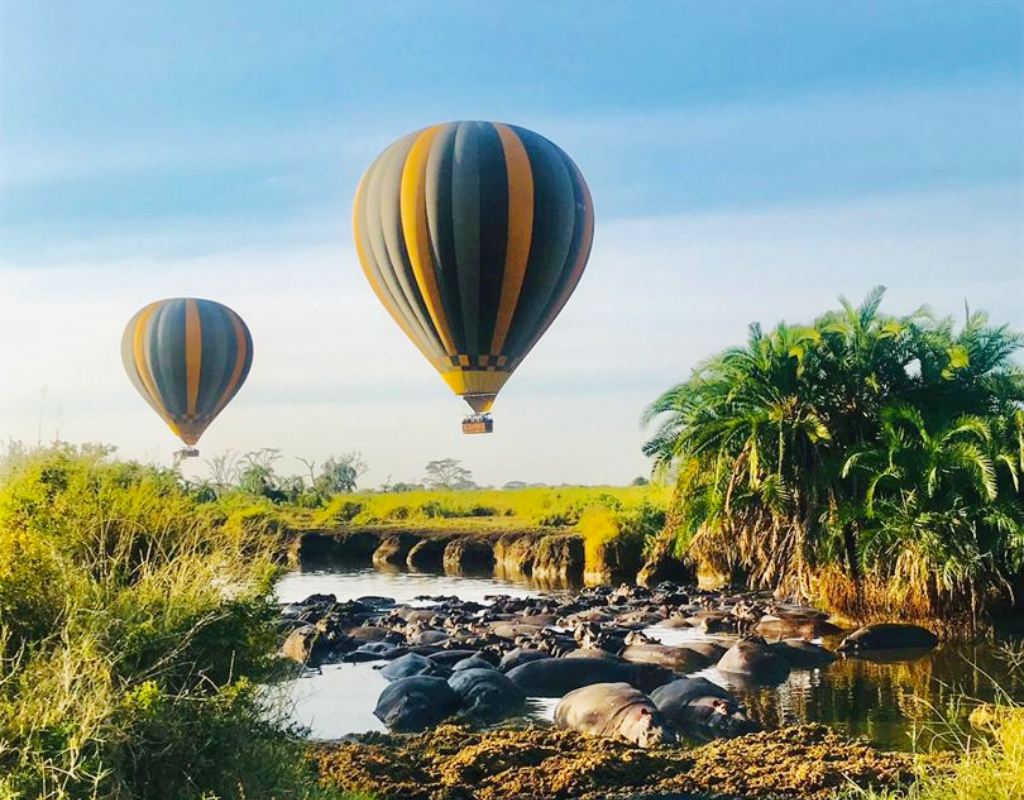
Balloon safaris in Tarangire operate seasonally and require advance booking because departures are mostly limited. Flights begin before sunrise when wind conditions are calmer, followed by low altitude views above baobab woodland, river sections, and open savannah. Wildlife visibility changes daily depending on season, weather, and animal activity during the flight route.

Related Destinations

Serengeti National Park

The name Serengeti comes from the Maasai word Siringit, a term used for an endless stretch of land.

Tarangire National Park

Tarangire National Park covers approximately 2,850 sq km in northern Tanzania’s Rift Valley region

Ngorongoro Conservation Area

Ngorongoro Conservation Area covers roughly 8,292 sq km