
Zanzibar is that one destination whose allure is legendary. Famously known as the Spice Island – and rightly so – this Tanzania archipelago has, for centuries, been one of East Africa’s great trading centers and a crossroads of culture where Africa, India and Arabia converge.
A beach holiday here offers a complete change of pace from Tanzania mainland
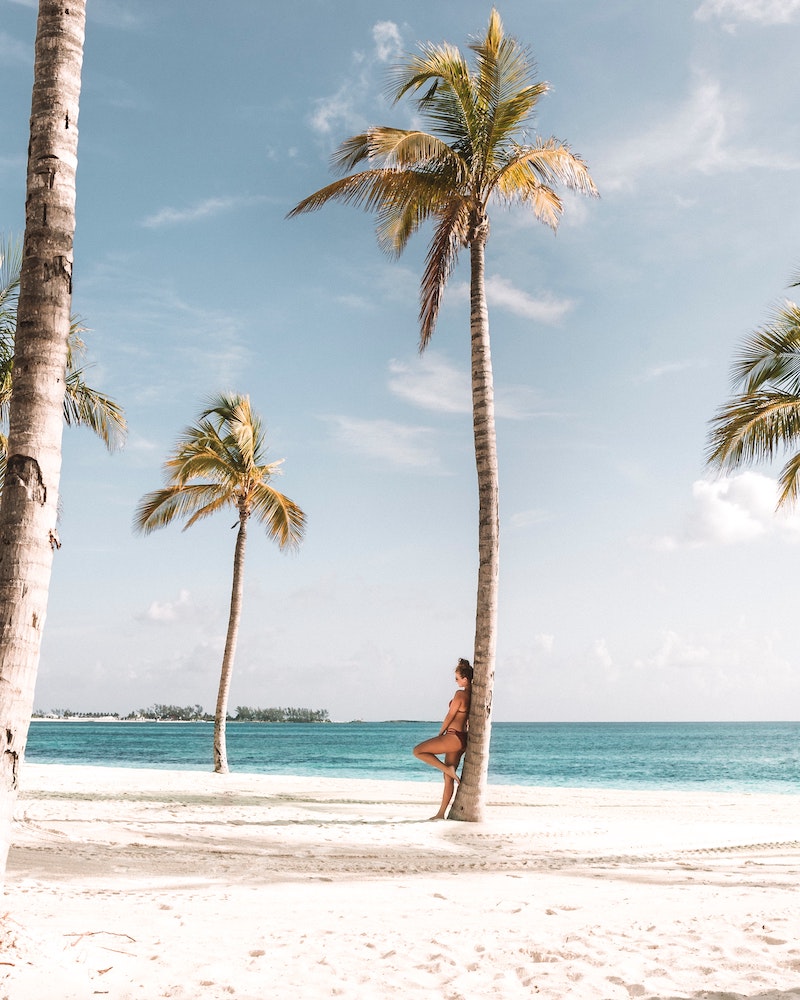
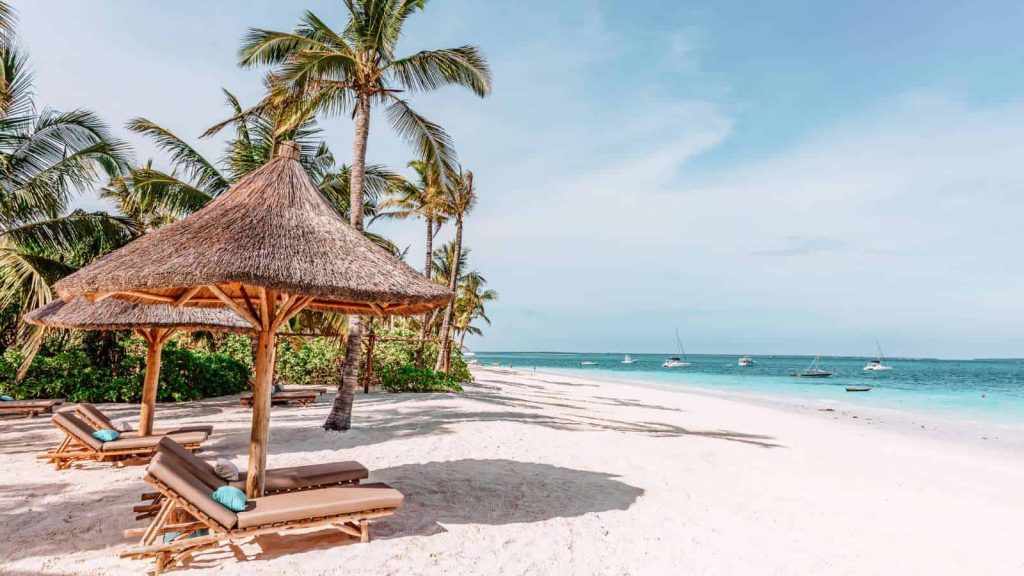
The Island consists of two main islands – Unguja, famously known as Zanzibar, and Pemba – along several other smaller ones, spanning about 40km off the East African coast, in Indian Ocean, approximately 6°S of the Equator. Unguja being the largest, spans about 85km long and approximately 20km and 30km wide, with land area of about 1661km2.
On the contrary, Pemba spans around 985km2, is approximately 67km long and between 15km and 20km wide. Both islands are geographically flat, low lying, and surrounded by coasts of sandy beaches, rich in lagoons and mangrove swamps, and beautiful coral reefs off the shoreline.
Zanzibar is practically an all-year destination, but some months work best for some travellers than others. The Island has a warm, tropical climate that makes it appealing at any time of year. This stable climate means there is no season when the islands close to visitors, but conditions vary enough through the year to make timing worth considering. Here’s a month-by-month breakdown of seasons and the best activities during each.
These months mark the beginning of the dry season, a prime time to bask in Zanzibar’s sun-drenched beaches.
The calm waters are ideal for snorkeling and diving, offering pristine visibility for exploring coral reefs. Relax at Nungwi and Kendwa beaches, or take a laid-back stroll through Stone Town as the weather is warm and inviting.
This is Zanzibar’s low season, with long rains settling in. While some visitors shy away, this can be the perfect time for those seeking solitude. Enjoy the quieter beaches and reduced rates at luxury resorts. Take advantage of indoor cultural activities like visiting spice plantations, learning the island’s rich history in Stone Town, or indulging in wellness retreats.
The cool, dry season makes these months ideal for outdoor exploration. Dive into Zanzibar’s underwater world with scuba diving or go kite surfing in Paje, where winds are perfect.
As the island shakes off the rains, the vibrant green landscape creates breathtaking contrasts with the blue ocean, making it a photographer’s dream.
During this time, you may spot migrating humpback whales off Zanzibar’s coast.
The weather remains calm and pleasant, providing ideal conditions for dhow cruises at sunset. Stroll the island’s historic streets or visit nearby islands like Prison Island, where the giant tortoises roam.
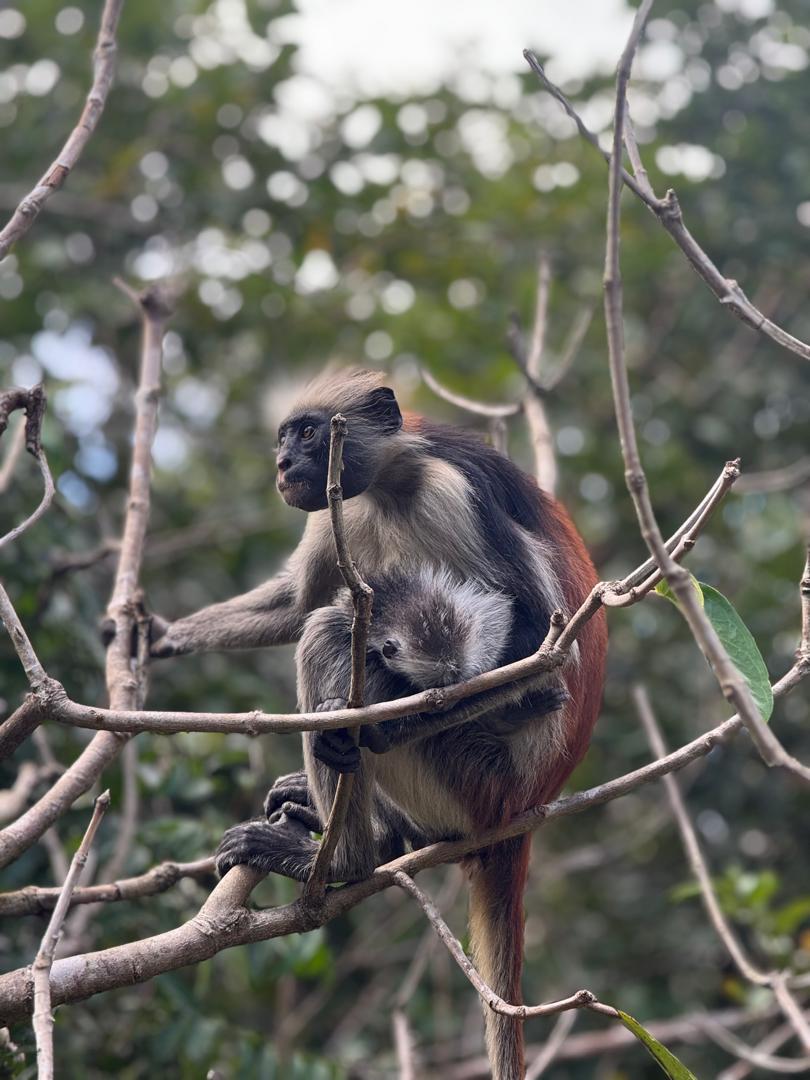
November brings brief showers, cooling things down just enough to still enjoy the outdoors without the heat. It’s an ideal time to explore Jozani Forest, home to the endemic red colobus monkeys, or take a spice tour. December ushers in holiday festivities with local music, beachside celebrations, and delicious Zanzibari cuisine.
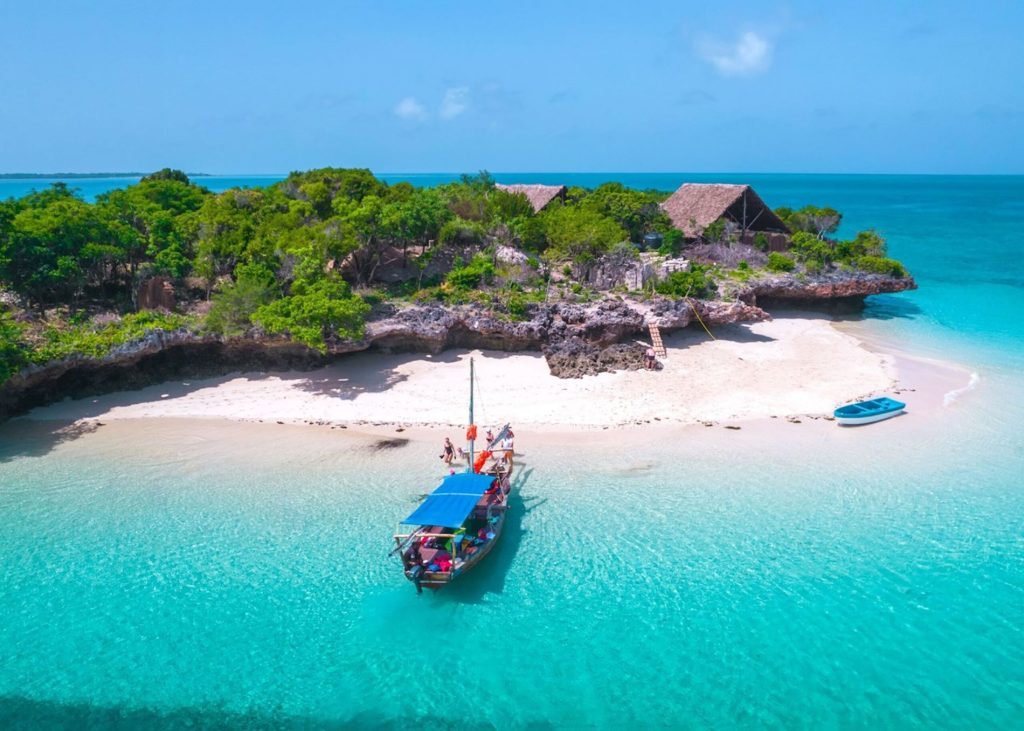
Changuu Island, also formerly known as Prison Island, is one of Zanzibar’s must-visit destinations. Situated Just a short boat ride from Stone Town the islet is steeped in history and beauty. In the 1860s it was owned by a wealthy Arab trader, who detained captives shipped from the African mainland here before selling them at the slave market on Zanzibar.
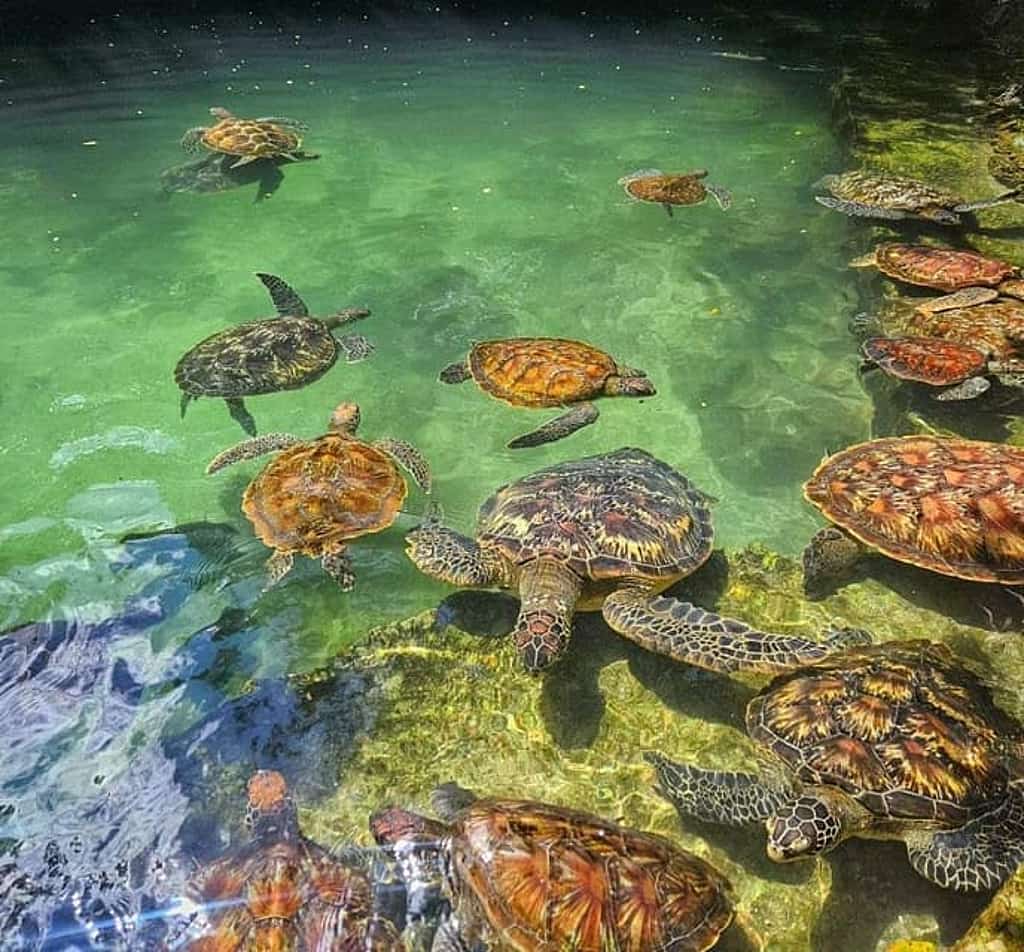
Today, people have the privilege to explore the remnants of the old prison’s ruins that tell their own story, while giant Aldabra tortoises – some over a century old – lumber in their peaceful sanctuary.
Jozani Forest, also known as Jozani-Chwaka Bay National Park is the only natural forest remaining in Zanzibar, and home to rare and captivating wildlife. The park is one of the last remaining habitats for the red colobus monkey an endangered species that are difficult to see elsewhere.
Jozani’s unique ecosystem offers a great day trip, with mangroves and a tranquil boardwalk that stretches over the swampy terrain, making it a perfect destination to wrap up your safari on the Island.
Mafia Island offers a quieter side of the Indian Ocean, far removed from crowded beaches and heavy tourism. Part of the Mafia Archipelago in southern Tanzania, the island is known for its marine park, coral reefs, and seasonal whale shark sightings.
Sea turtles are common in the protected waters, while mangrove forests shape much of the coastline. Beaches here are smaller than those found in Zanzibar, though many remain peaceful and lightly visited. Utende and Chole Bay are among the island’s better-known areas. Mafia Island can be added to a mainland safari and also pairs well with Zanzibar or the Pemba Archipelago.
Bagamoyo, north of Dar es Salaam, holds an important place in the history of East and Central Africa. Recognized as a UNESCO World Heritage Site, the town preserves colonial era Gothic and Afro Arabic architecture linked to the Indian Ocean slave trade and early missionary activity.
Important landmarks include the 12th century Kaole Ruins, the Old Fort built in 1860, the first Roman Catholic Church in East Africa, the former German colonial headquarters, the Mission Museum, and the Livingstone Memorial Church. Beyond its historical significance, Bagamoyo is also known for its quiet coastline and broad white sand beaches along the Indian Ocean.
Paje occupies part of Zanzibar’s southeast coastline and remains one of the island’s most active beach settlements. The shoreline extends for several kilometres with broad tidal flats, coral sand, and shallow turquoise water that recedes considerably during low tide. Fishing is part of daily life here, though tourism has expanded steadily over the last decade. Traditional wooden boats can still be seen regularly along the coast, especially during the early morning hours.
The area has become widely associated with kitesurfing due to consistent seasonal winds and open lagoon conditions. Small cafés, guesthouses, and beach lodges line sections of the village without overwhelming its local character. Inland paths connect seaweed farms, residential compounds, and modest shops that continue to serve the surrounding community alongside international visitors.
Nungwi is situated at the northern tip of Zanzibar and remains one of the island’s busiest villages. Unlike much of the eastern beaches, tidal changes here are less restrictive for swimming, allowing ocean access throughout most hours of the day. The beach features a mixture of fishing activity, dhow construction yards, hotels, restaurants, and small local businesses that operate side by side in the village.
For many years, Nungwi functioned as an important centre for traditional boat building, and some workshops continue this practice today using timber and hand tools. Offshore waters support diving and snorkelling excursions due to nearby coral reefs and relatively deep channels. Sunset views attract much of the evening activities, particularly near the western section of the beach. Despite its popularity, portions of the village still preserve a distinctly residential atmosphere beyond the beachfront properties.
Kendwa occupies the northwest coast of Zanzibar a short distance south of Nungwi. The beach is known for its broad stretch of white sand and relatively stable swimming conditions during different tidal periods. Compared with several eastern beaches, the shoreline here experiences gentler tidal retreat, making ocean access easier throughout much of the day. The sea is calm during many months of the year, particularly between June and October.
Accommodation ranges from simple bungalows to larger beach resorts, though the area maintains a less crowded environment than nearby Nungwi. Small fishing vessels still appear offshore during morning hours, and local residents continue to rely on fishing as part of the local economy. Kendwa also serves as a departure point for dhow cruises and reef excursions along the northern coast of Zanzibar.
Jambiani extends along Zanzibar’s southeast coast and preserves a stronger residential character than many of the island’s larger tourism centres. Coral rag houses, seaweed farms, mosques, and small shops remain integrated within the village landscape, giving the area a more settled atmosphere shaped by everyday local activity. The coastline follows a long strip of white sand bordered by shallow lagoon waters and extensive tidal flats.
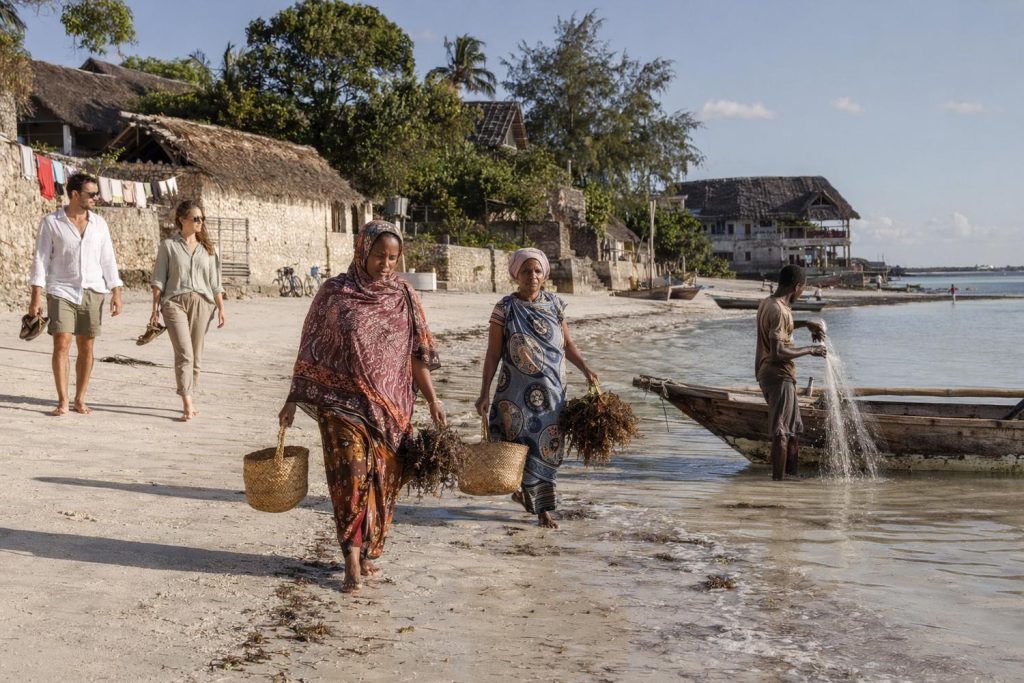
Fishing and seaweed cultivation continue to support many households in the area. During low tide, women often walk considerable distances into the lagoon to tend seaweed plots tied to wooden stakes beneath the water surface. Tourism has grown gradually, bringing guesthouses and cafés into the village without substantially altering its pace. Roads remain narrow and relatively quiet, and much of Jambiani continues to move according to local routines rather than commercial tourism patterns.
Matemwe occupies part of Zanzibar’s northeast coastline facing Mnemba Island and its surrounding coral reefs. The village stretches along a relatively quiet section of beach characterized by palm groves, coral sand, and tidal lagoons. Fishing remains visible throughout the area, particularly during early mornings when wooden boats depart from the shore or return carrying octopus and reef fish for local markets.
The offshore reef system has contributed to Matemwe’s reputation for diving and snorkelling, particularly near Mnemba Atoll where marine life remains comparatively abundant. Unlike more commercial sections of Zanzibar, the area retains a restrained atmosphere with smaller lodges and limited nightlife activity. Daily village life remains clearly present beyond the beachfront, including fishing preparation, seaweed farming, and small-scale agriculture. The result is a coastal settlement that continues to function primarily as a local community rather than a tourism centre alone.
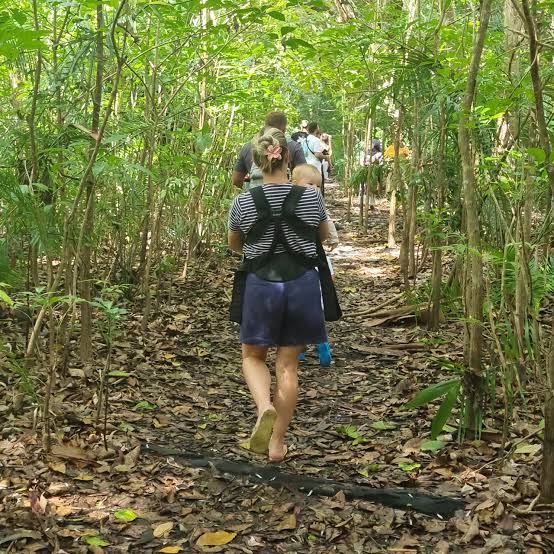
The visit usually starts with a short briefing at the forest entrance. Your local guide, most likely from a nearby village, knows the forest inside out and brings some incredible firsthand context. You’ll follow a clearly marked trail under a thick canopy of tall trees, where you will spot the red colobus monkeys leaping from branch to branch. They are wild and free-roaming, and are used to humans being around. Your guide will also point out medicinal plants, butterflies, and swampy mangrove patches depending on the route taken.
The walk lasts between 45 to 90 minutes. The pace is relaxed, with stops to observe plants and animal activities. The reserve is easy to access and suits travelers of all fitness levels. It is a practical addition to any itinerary if you are looking to see a more natural, less filtered side of Zanzibar.
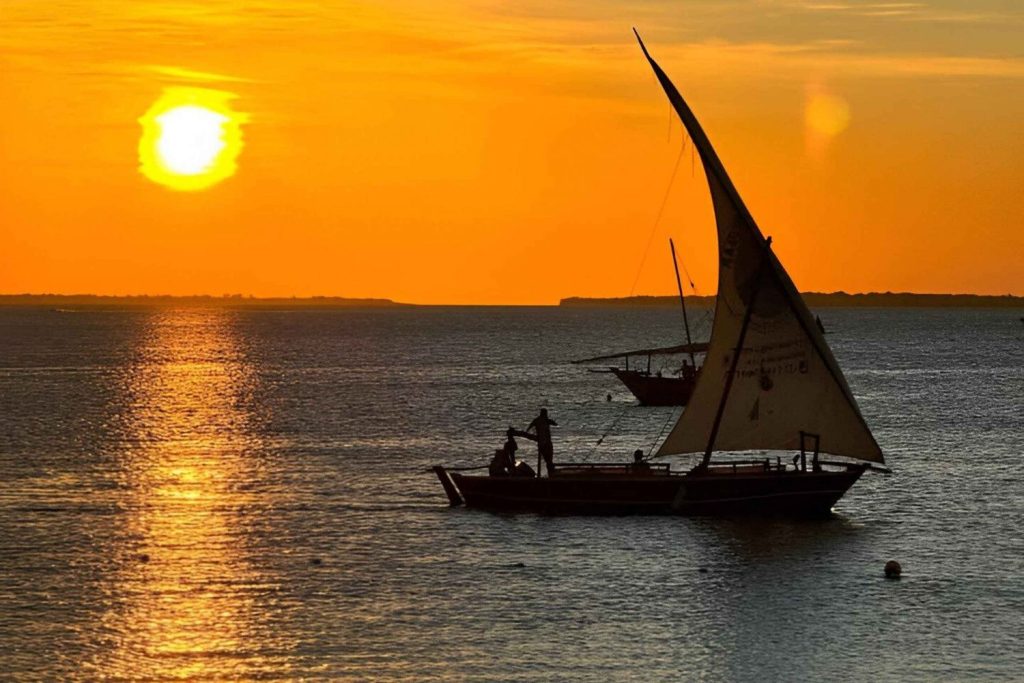
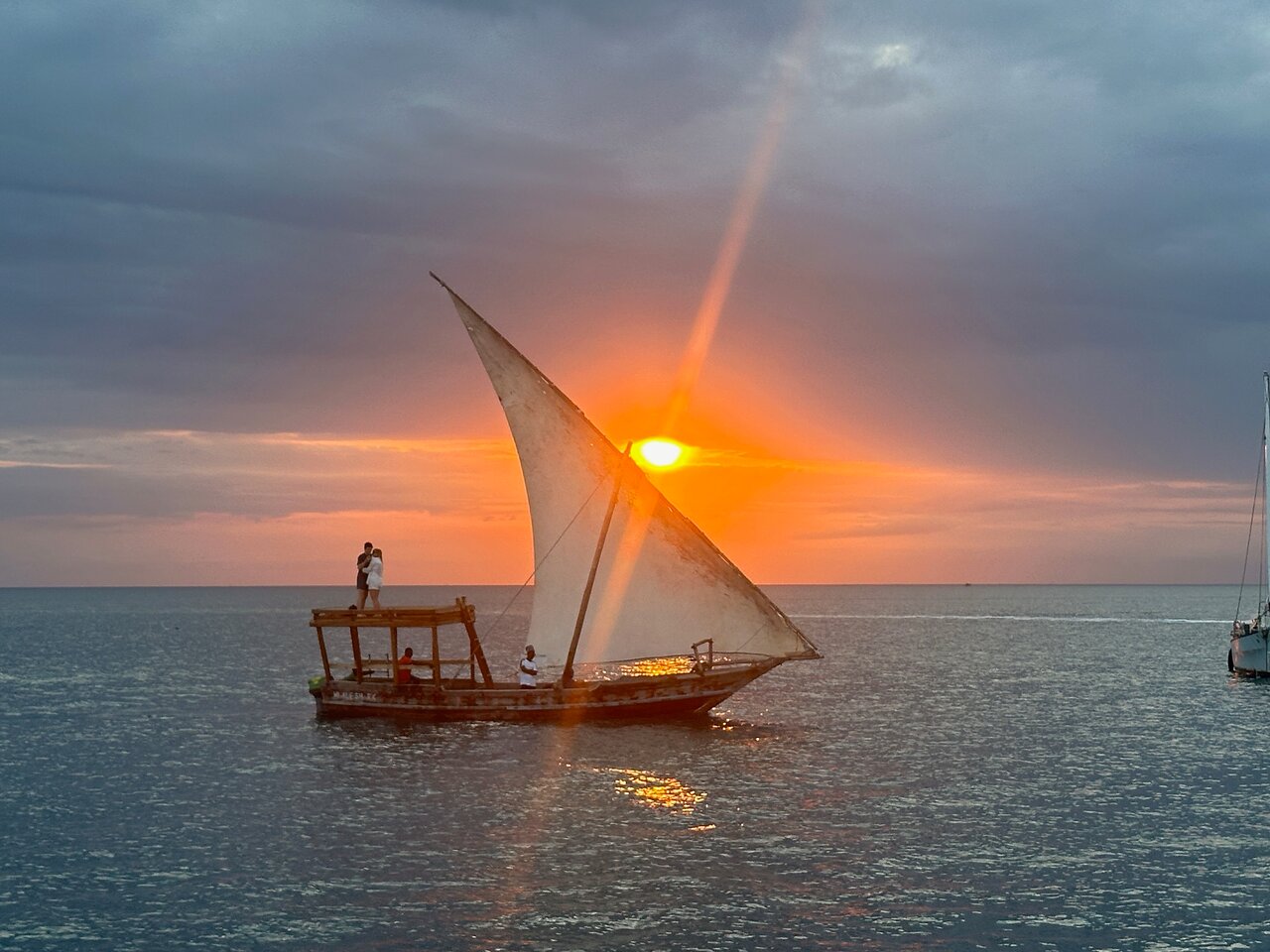
A traditional dhow cruise offers a different view of Zanzibar’s coastline during the late afternoon, when activity along the shore begins to ease. The wooden sailing vessel departs from Stone Town at about 4:30 pm and moves along the Indian Ocean beside the historic waterfront. Built using long established Arabian maritime techniques, the dhow remains part of coastal life in Zanzibar today.
On board, soft drinks, local beer, and light snacks are served alongside live taarab music performed by local musicians. The route depends on sea conditions and wind direction rather than a fixed schedule. Some passengers spend the time photographing the coastline, others simply watch the changing light over the water. Most cruises last between two and three hours before returning to shore.
Prison Island is located about 5km northwest of Stone Town and reached by boat in roughly 20 minutes. The island gained its name during the colonial period, though it never operated fully as a prison. It later served as a quarantine station for East Africa. Several buildings from that era remain, including structures linked to former British administrator Lloyd Mathews.
Today, most visits focus on the Aldabra giant tortoises, introduced from the Seychelles in the late nineteenth century. Some are believed to be more than a century old. Visitors can walk through the sanctuary, swim in the clear coastal waters, or explore footpaths leading around the island before returning to Stone Town.
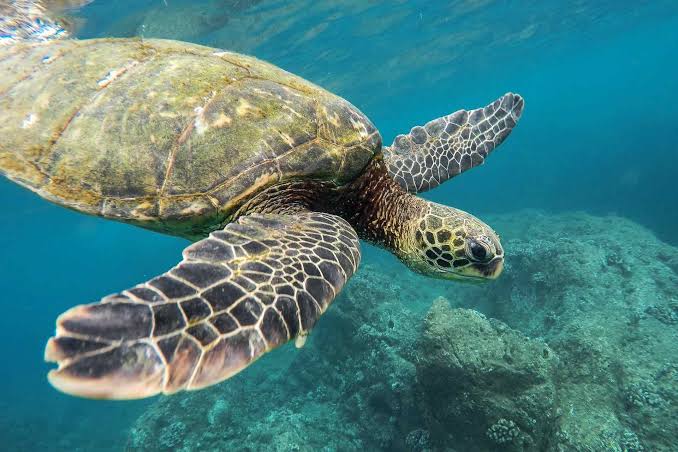
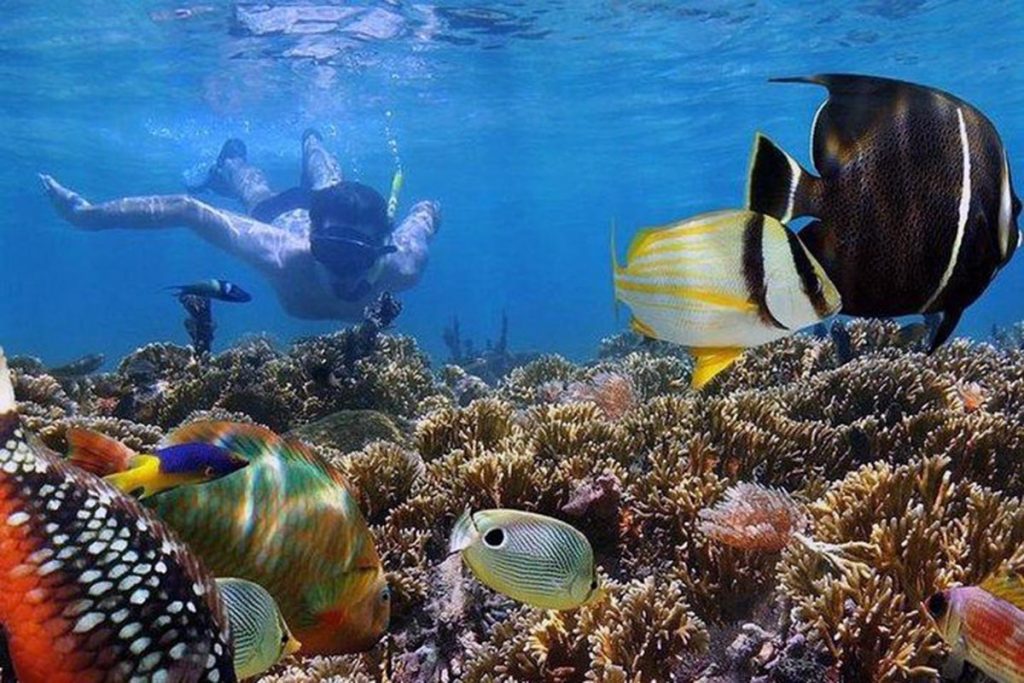
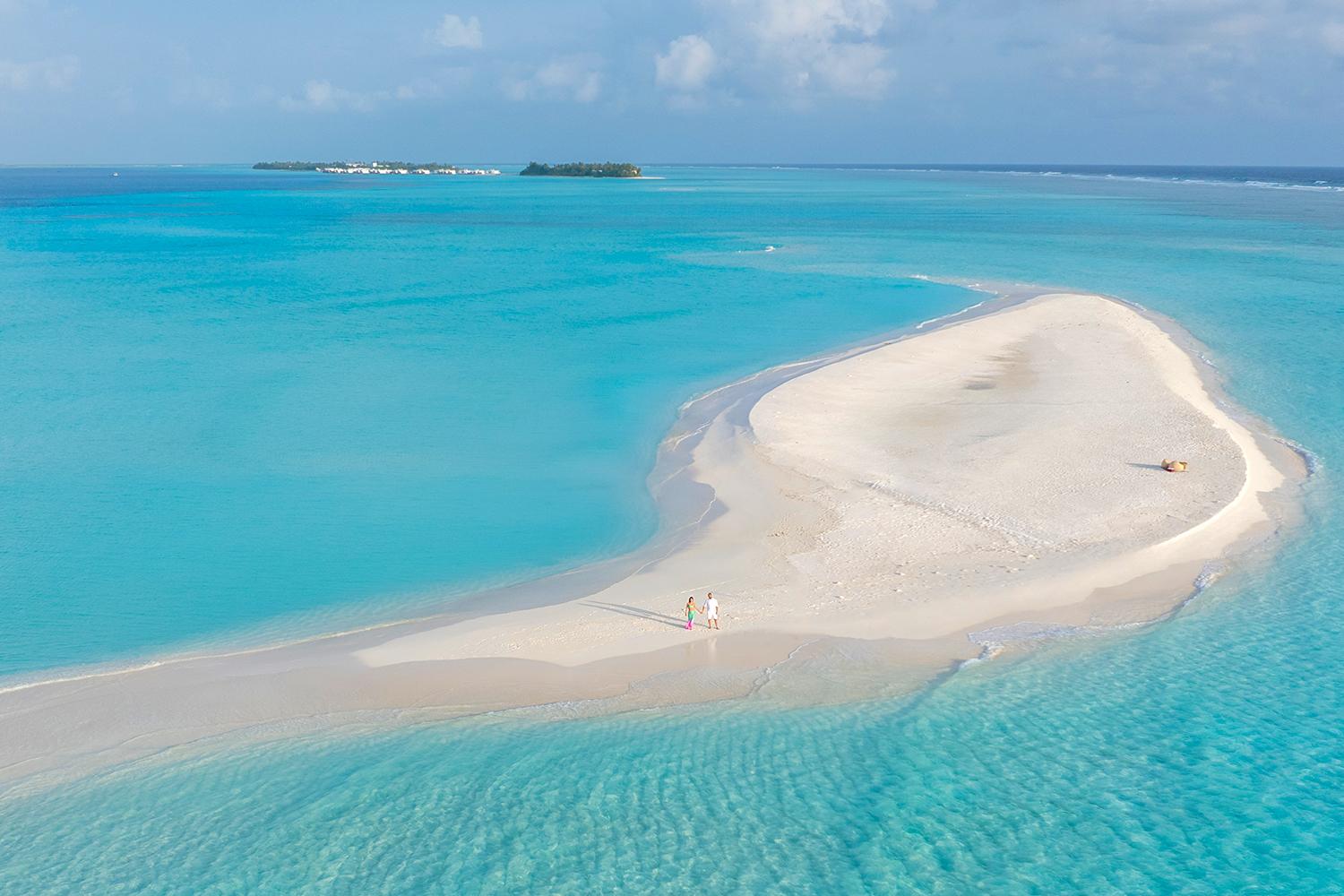
Safari Blue is a full day boat excursion within the Menai Bay Conservation Area on Zanzibar’s southwest coast. The trip uses a traditional dhow and focuses on marine activity, snorkeling, and coastal scenery. Two snorkeling sessions take place at reefs known for clear water and healthy coral formations, with frequent sightings of parrotfish, angelfish, and other tropical species. The program also includes time at a sandbank used for swimming and relaxation between activities.
Lunch is prepared near the shoreline and commonly includes grilled seafood, rice, chapati, and seasonal fruit. Later in the afternoon, the route continues toward a mangrove lagoon where tidal conditions sometimes allow swimming. Transfers, snorkeling equipment, lunch, soft drinks, and guide services are generally included in the excursion.
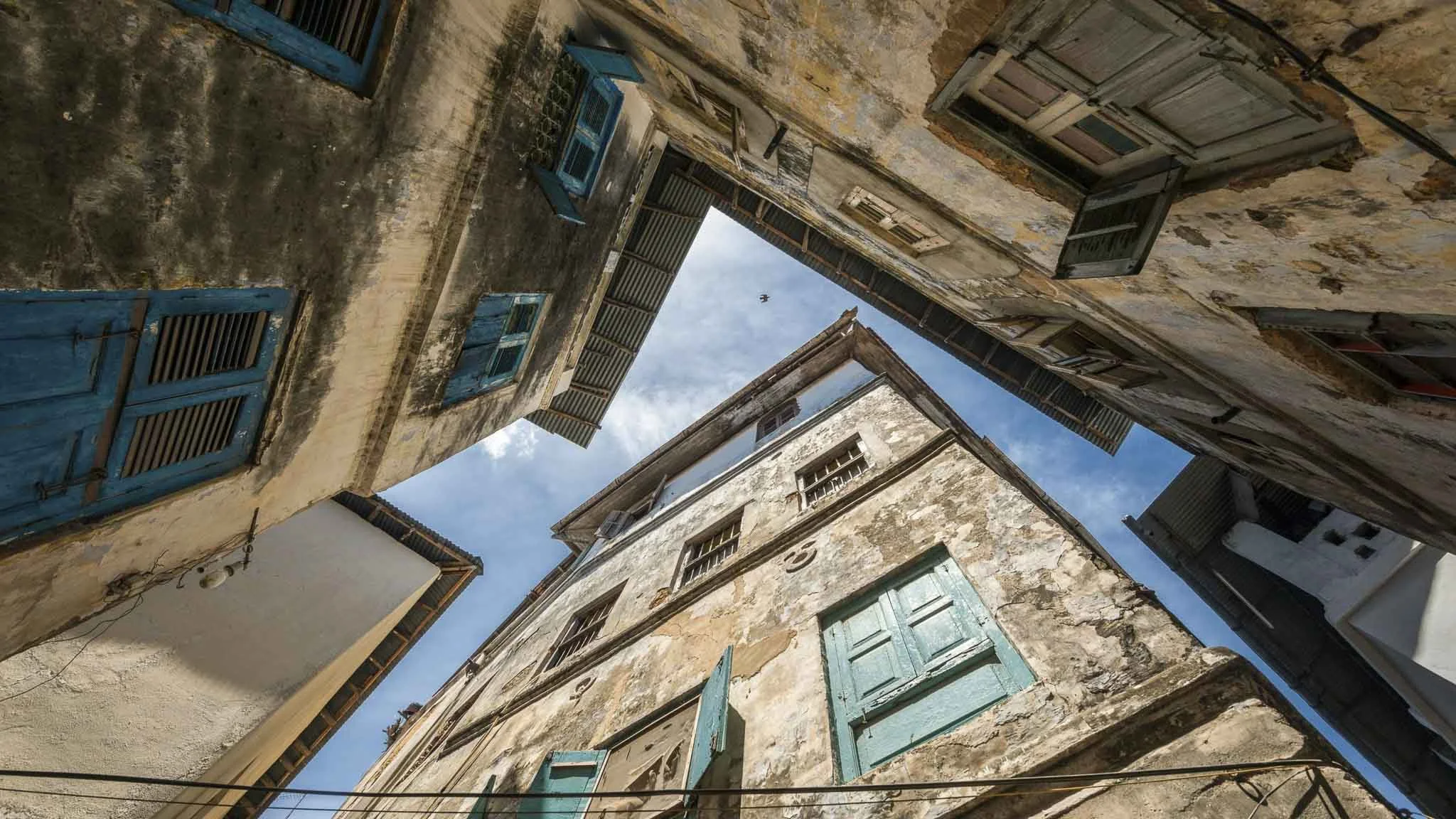
This walking tour provides a practical introduction to Zanzibar’s historic centre and the events that influenced its development over several centuries. Visits include the House of Wonders, the former Sultan’s Palace, and the house associated with Freddie Mercury’s childhood. The tour explains the town’s Swahili foundations and the visible influence of Arab, Indian, European, and East African communities on local architecture and daily life.
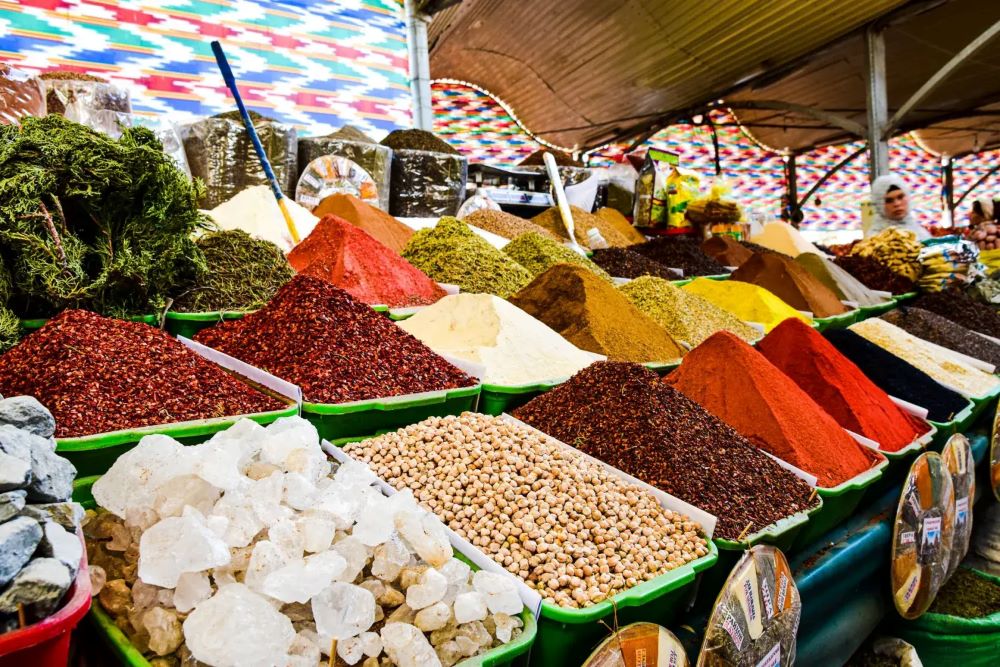
You also pass through Darajani Market, where residents buy produce, spices, seafood, and household goods. Nearby, the fish market continues to operate through direct bidding between traders and buyers. Photography is permitted in many areas, though respectful judgment remains important, particularly around local residents, religious sites, and commercial activity.
Zanzibar built much of its economy on the spice trade, and many farms still cultivate crops using traditional methods passed through generations. This half day visit offers a close look at how cloves, cinnamon, cardamom, vanilla, and nutmeg are grown, harvested, and prepared for local use and export. Guides usually explain the process directly in the fields, from peeling cinnamon bark to drying cloves under the sun.
Depending on the season, visitors may sample tropical fruits such as jackfruit, mango, or breadfruit fresh from the farm. The tour normally lasts about three hours and takes place either in the morning or afternoon. It suits travellers interested in agriculture, food culture, and Zanzibar’s trading history.
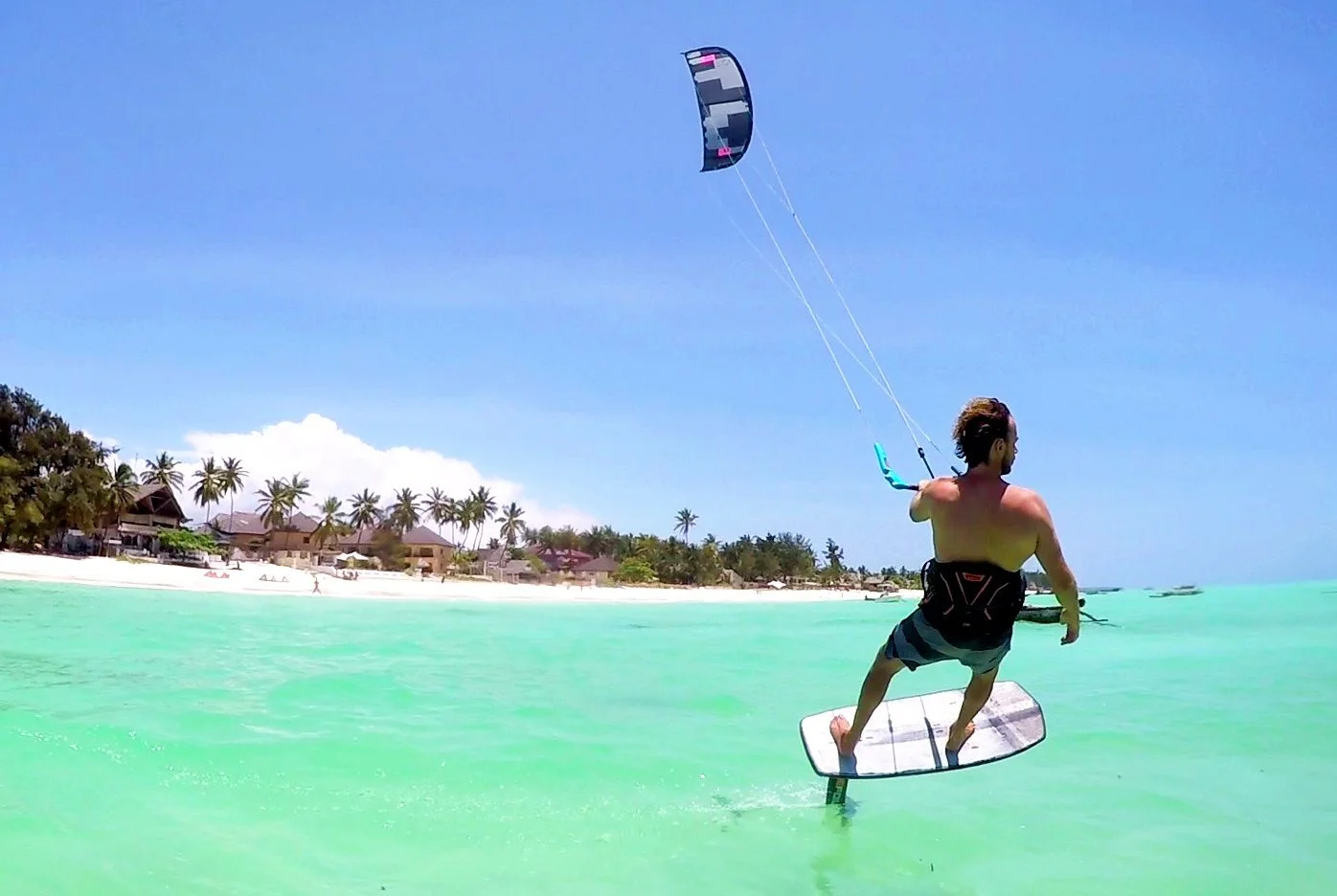
Paje village on Zanzibar’s southeast coast has gained international attention for kitesurfing due to its shallow lagoon, steady side onshore winds, and wide tidal beach. Conditions suit both beginners and experienced riders, with local instructors providing safety guidance, equipment setup, and practical instruction based on individual ability. The most reliable wind period usually falls between June and September, though January and February also attract experienced riders seeking warmer conditions.
This half day activity takes place either in the morning or afternoon, depending on tides and wind direction. Time is divided between beach instruction and water practice. Paje maintains an active atmosphere without excessive crowding, and all equipment is arranged locally. Reef shoes and sun protection remain advisable during low tide sessions due to exposed coral sections near the lagoon.
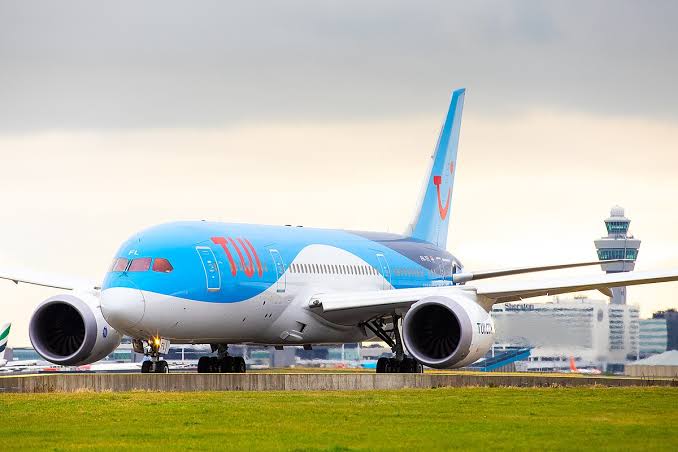
There are no direct scheduled flights to Zanzibar. However, international flights several major airlines operate indirect services through their principal hub cities, including Ethiopian Airlines through Addis Ababa, Qatar Airways through Doha, and Turkish Airlines through Istanbul. Pricing varies by origin, booking early and comparing dates brings the best options.
Many travellers also arrive first in Dar es Salaam, Kilimanjaro International Airport or Nairobi, then continue by regional flight over the Zanzibar Channel. Regional airlines also operate connections between mainland Tanzania and Zanzibar, particularly from Arusha and Dar es Salaam, providing alternatives for travellers planning combined safari and coastal itineraries within Tanzania.

Several operators from Italy, France and Spain continue to offer direct services to Zanzibar, although direct charter connections from the United Kingdom are presently unavailable. These flights are generally sold within one week or two-week holiday packages linked to larger beach properties.
When seats remain unsold, tour companies occasionally release flight only arrangements at comparatively moderate rates during selected travel periods each year.
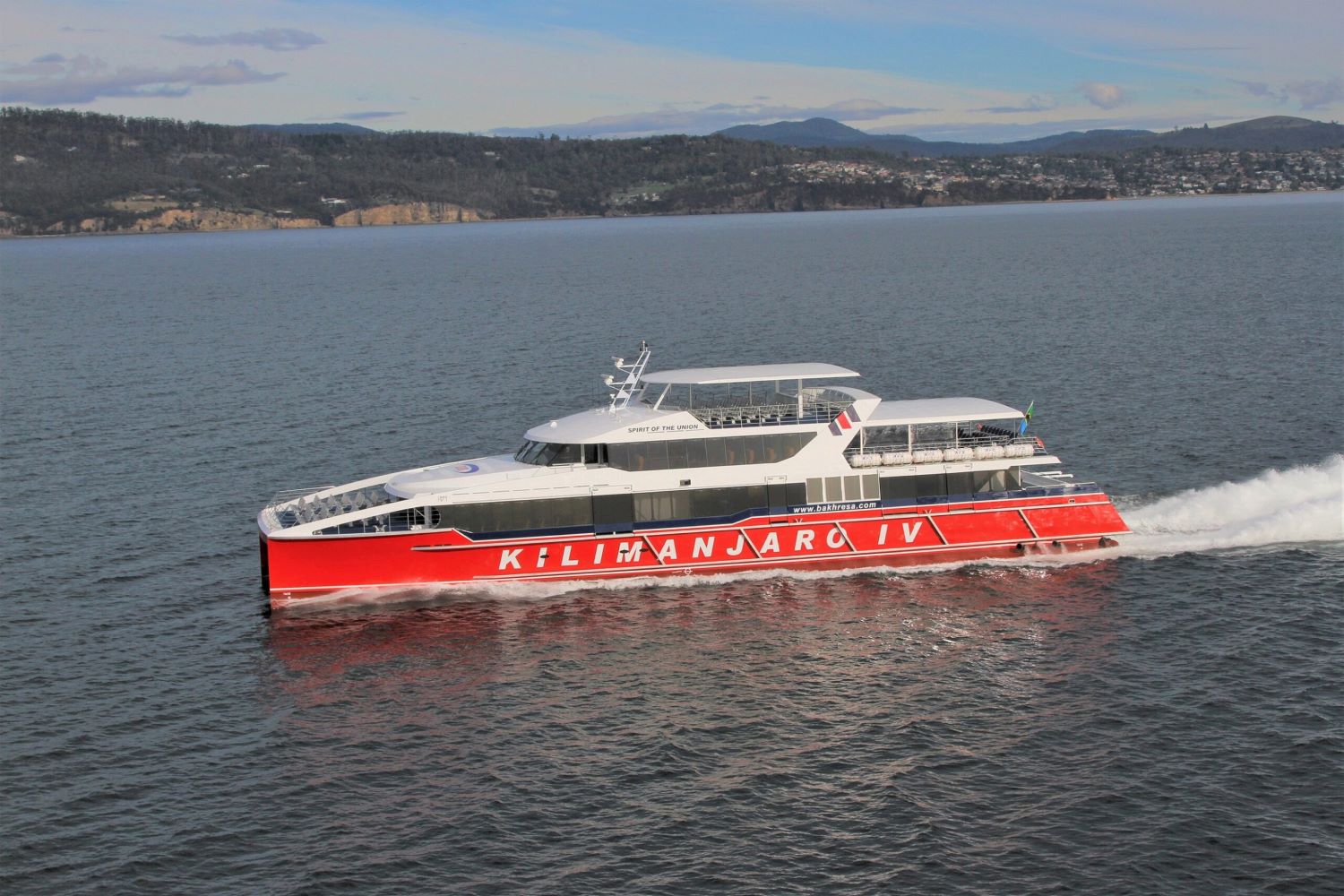
Zanzibar’s principal passenger port stands along the waterfront of Zanzibar Town near the northern section of Mizingani Road. Large ferries operate regular services between Dar es Salaam, Zanzibar and Pemba, with occasional routes connecting additional mainland destinations. Increased domestic air traffic between Dar es Salaam and Zanzibar, together with more competitive flight pricing, has gradually reduced demand for passenger sea transport during recent years.
Ferry services commonly used by international travellers can be booked directly at the main passenger terminals in both Dar es Salaam and Zanzibar Town, located close to their respective city centres. Departure schedules and ticket prices are usually displayed outside booking offices, and tickets may often be purchased immediately before departure. Advance reservations remain advisable, particularly during holiday periods and busy travel months. Non-Tanzanian travellers generally pay fares in US dollars, whereas Tanzanian residents normally receive reduced local rates payable in Tanzanian shillings.
Zanzibar records stable tourism activity throughout the year, particularly in beach areas and Stone Town. Standard travel awareness remains important, especially at night, in crowded markets, and when carrying valuables or travel documents.
June to October usually brings drier conditions, lower humidity, and calmer sea conditions. January and February also attract travellers seeking warmer beach weather and reliable visibility for snorkelling and diving excursions.
Zanzibar follows a predominantly Muslim culture, particularly in Stone Town and local villages. Swimwear remains acceptable at resorts and beaches, though modest clothing covering shoulders and knees receives greater respect in public areas.
Holding hands attracts little attention in tourist areas, though prolonged kissing and intimate behaviour in public spaces often receives negative reactions, particularly in Stone Town, villages, religious areas, and local restaurants.
Alcohol is available at hotels, resorts, bars, and licensed restaurants throughout Zanzibar. Public drunkenness receives little tolerance outside tourist establishments, particularly near mosques, markets, and residential neighborhoods in Stone Town.
Cash remains useful throughout Zanzibar, especially for smaller purchases, transport, local restaurants, and tipping. ATMs operate mainly in Stone Town and larger towns, though card payment availability improves within resorts and hotels.
Several beach resorts accommodate families comfortably, particularly in Nungwi and Kendwa where swimming conditions remain practical throughout the day. Stone Town also introduces historical excursions suitable for older children and teenagers.
Tidal variation affects much of Zanzibar’s coastline, especially along the eastern shore near Paje and Jambiani. Sea levels can retreat several hundred metres, affecting swimming schedules and some marine activities during daytime hours.
Four to six days usually allows sufficient time for beach relaxation, Stone Town exploration, and marine activities without rushing between regions. Longer stays suit travellers combining Zanzibar with shorter mainland safari itineraries.
Stone Town offers historical depth distinct from Zanzibar’s beach resorts. Former merchant houses, mosques, markets, carved wooden doors, and Indian Ocean trading history create one of East Africa’s most culturally layered urban centres.
Drone use requires government authorization before arrival in Tanzania and Zanzibar. Authorities occasionally confiscate undeclared equipment at airports, particularly when permits and aviation clearance documents cannot be presented during inspection procedures.
Swahili functions as the primary local language throughout Zanzibar. English remains widely spoken within tourism businesses, hotels, restaurants, and transport services, though basic Swahili greetings receive positive responses from local communities.