Ngorongoro Conservation Area

Overview

Ngorongoro Conservation Area covers roughly 8,292 sq km along the eastern branch of the Great Rift Valley. The area takes its name from a Maasai onomatopoeic expression connected to the sound of cowbells. At its centre stands the Ngorongoro Crater, a volcanic caldera measuring about 260 sq km with walls rising more than 600 metres above the crater floor. Grassland, montane forest, alkaline lakes, volcanic highlands, and acacia woodland create one of the country’s most unique ecosystems within a relatively compact safari circuit.


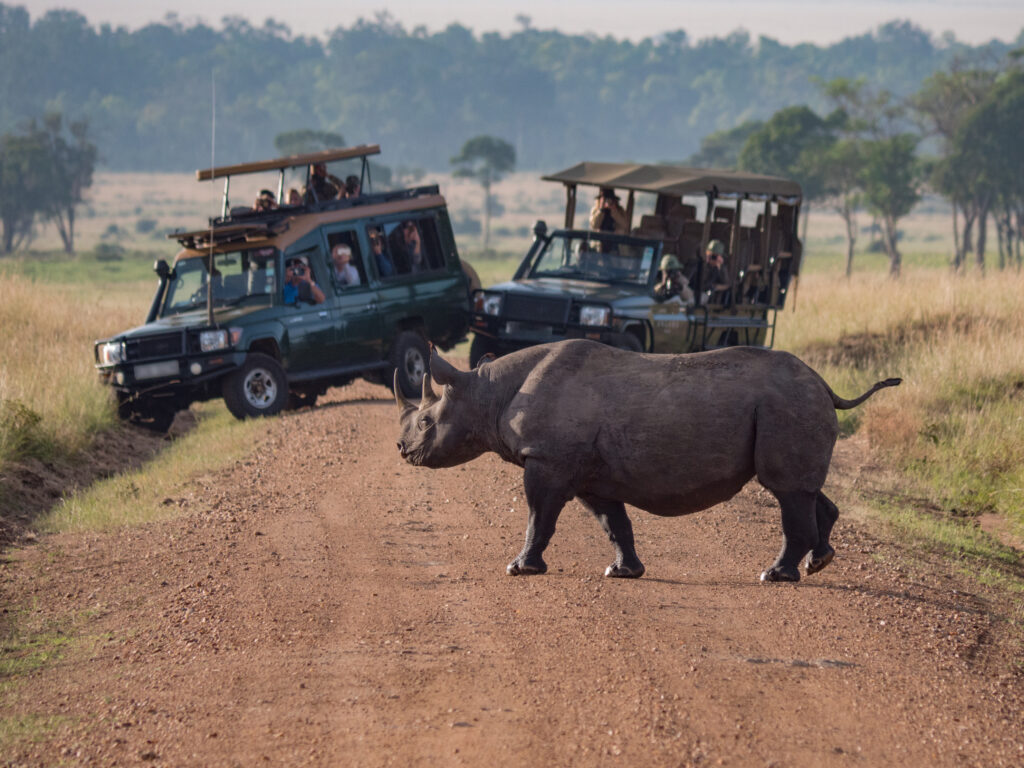
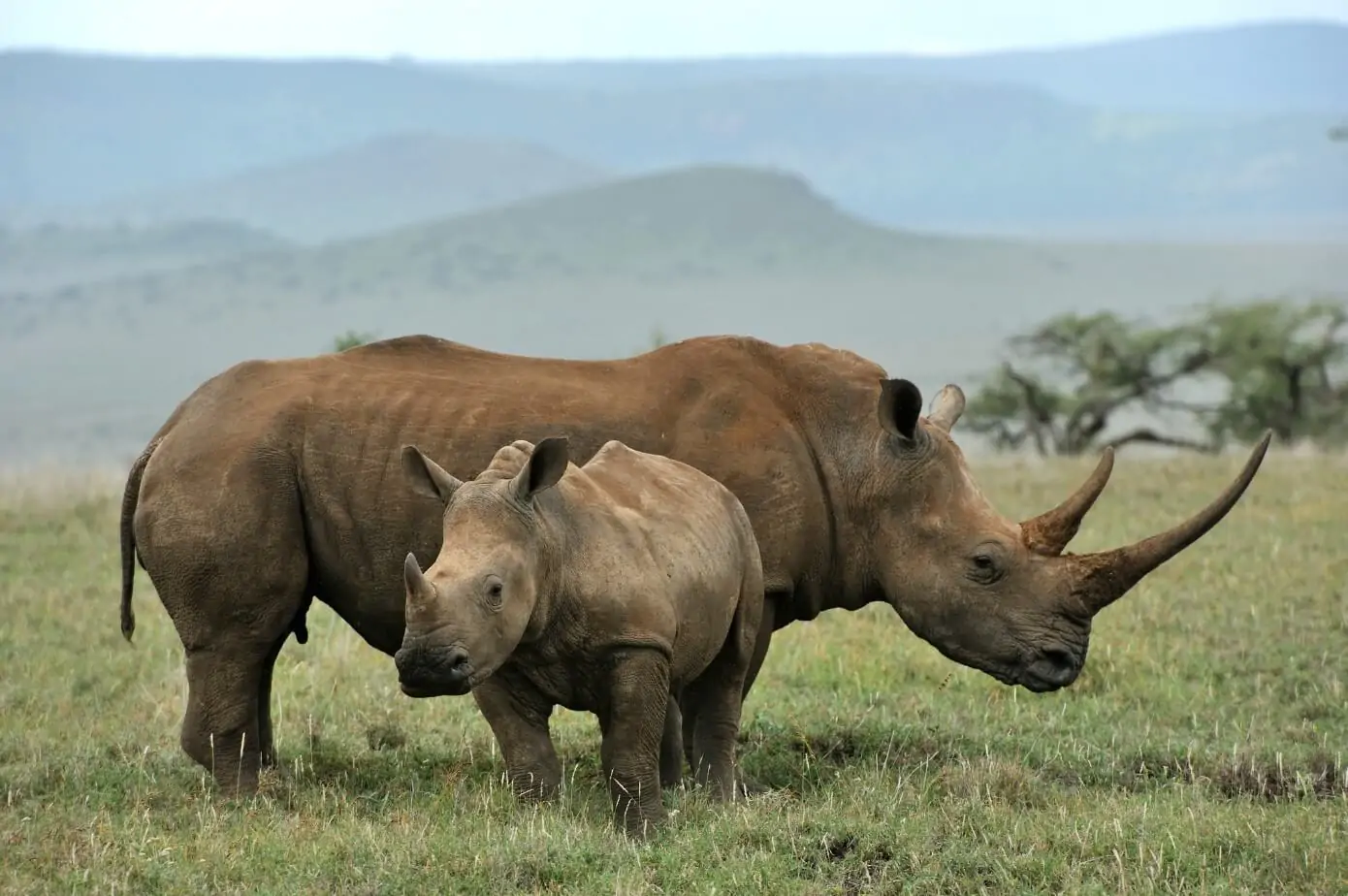
The Ngorongoro boasts a UNESCO World Heritage status and hosts both wildlife conservation and Maasai pastoral life under the same administration system. Wildlife numbers inside the wider conservation area exceed 25,000 large mammals, including lions, buffaloes, elephants, spotted hyenas, zebras, and black rhinos. The crater floor receives considerable safari traffic throughout the year due to its reliable wildlife density and accessible road network.

Best Time to Visit Ngorongoro Conservation Area

Some argue the best time to visit the Serengeti National Park is between June and October. But in fact, you can visit the Serengeti any time of year and still enjoy an exceptional safari.

Depending on your interests and goals, here’s what you can expect when visiting Serengeti.

June to October

Dry conditions improve road access and wildlife visibility, especially on the crater floor where shorter grass attracts grazing animals near permanent water sources.

November to April

This period brings greener scenery, migratory birdlife, fewer vehicles in certain areas, and occasional afternoon rainfall, especially around the highlands.

Popular Activities In Ngorongoro Conservation Area

THE OLDUVAI GORGE

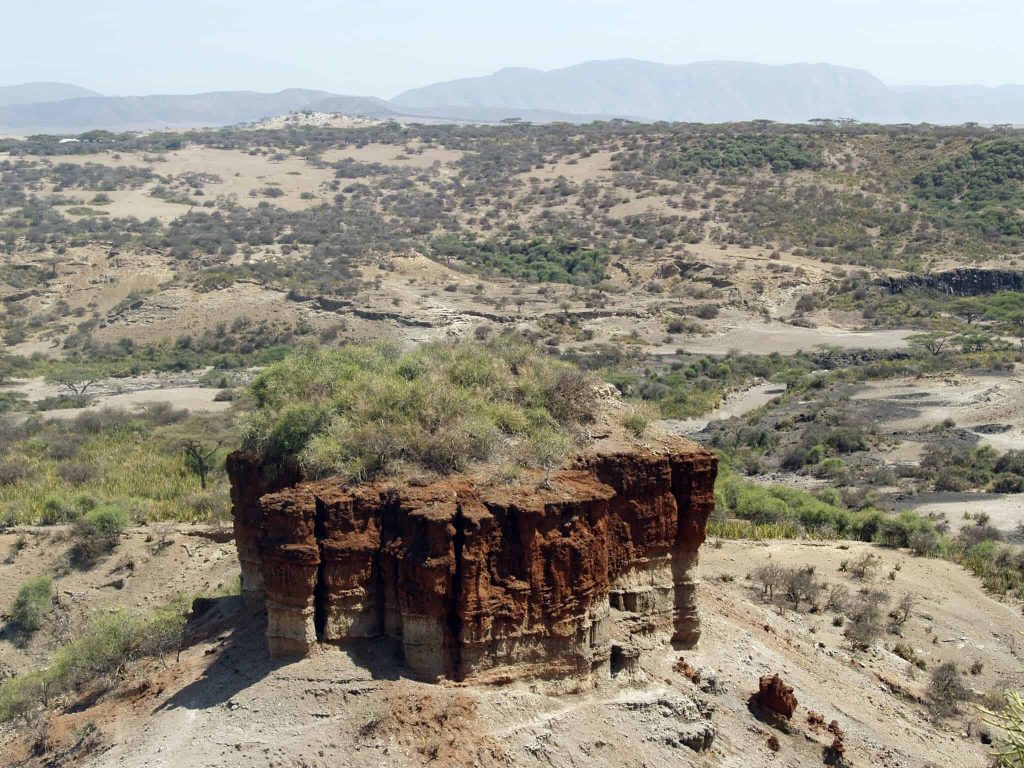
The Olduvai Gorge stands between Ngorongoro and Serengeti along a dry escarpment corridor shaped by volcanic activity and erosion over millions of years. The site gained international scientific attention after major archaeological discoveries linked to early human evolution. Fossils and stone tools uncovered here contributed significantly to research surrounding Homo habilis and other hominin species connected to East Africa’s prehistoric record. The gorge itself stretches roughly 48 km in length with exposed sediment layers visible from several viewpoints near the museum area. Visitors usually stop briefly while travelling between parks, though the site rewards travellers interested in anthropology, geology, and the wider environmental history tied to the Serengeti ecosystem.

Game Viewing

Game drives are without doubt the best way to view the, literarily, astronomical wildlife in the Crater. This is the most popular activity and is typically done in a customized 4×4 safari vehicle. To make the most of the game viewing here, you need at least three days to be able to explore most part of the crater. Expect to see most, if not all of the Big 5 and bird species.

Bird watching

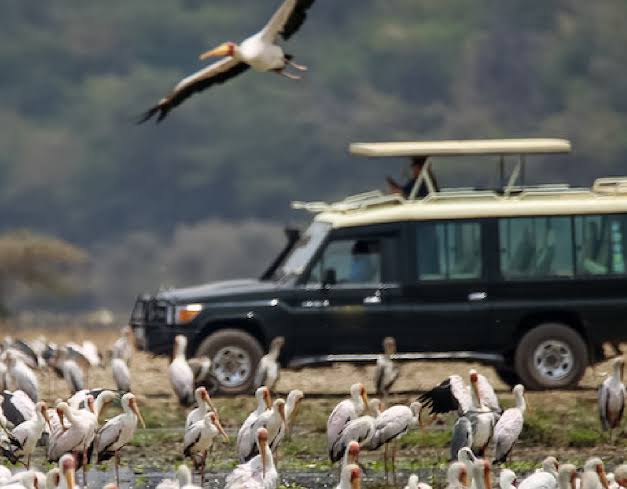
More than 500 bird species have been recorded within the conservation area. Flamingos gather near Lake Magadi during suitable water conditions, while forested sections attract turacos, hornbills, and several highland species.

Hiking to the Empakaai Crater

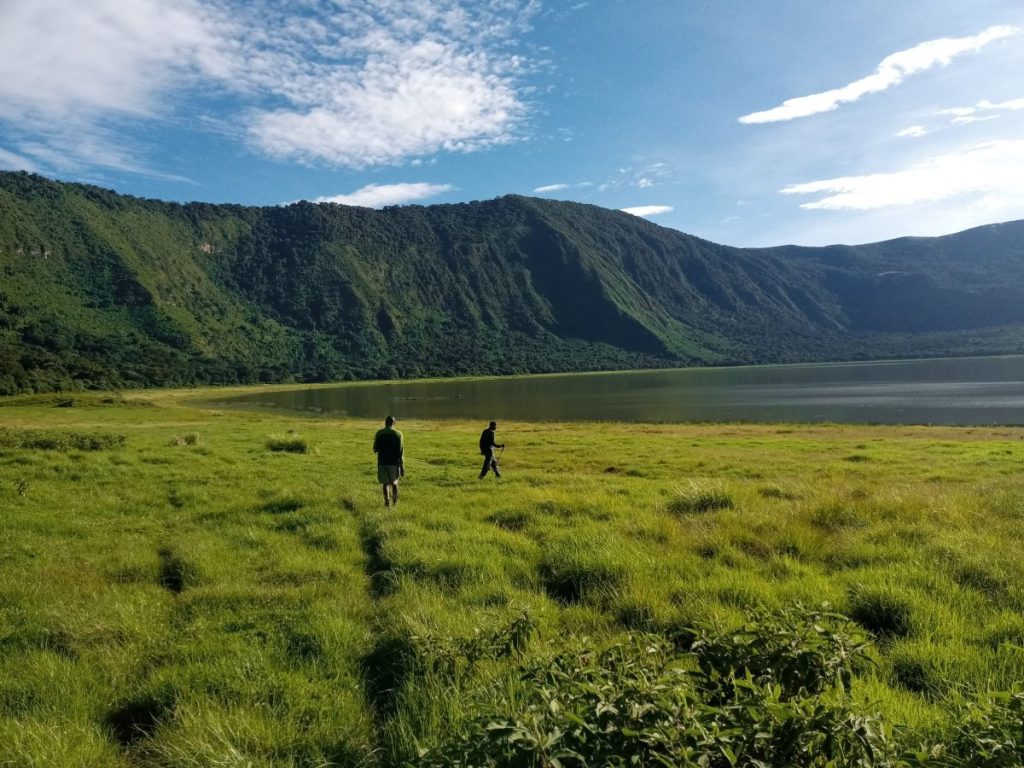
Empakaai Crater offers guided hiking through montane forest and volcanic slopes east of the main crater. The trail descends toward a crater lake frequently visited by flamingos and waterbirds.

Guided Bush Walks

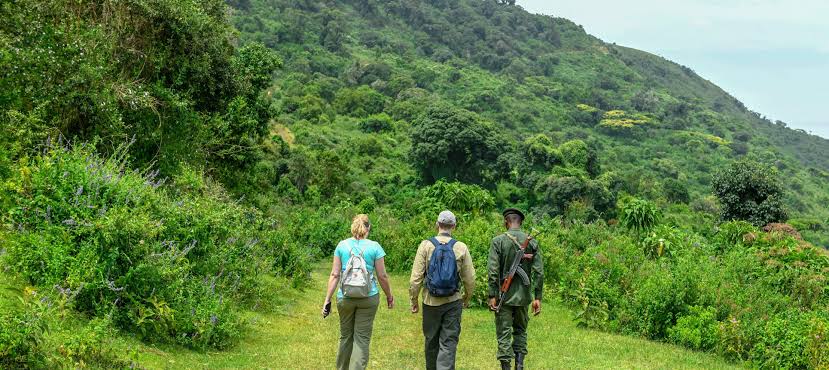
Walking excursions take place in designated areas outside the main crater floor under ranger supervision. These walks focus on vegetation, smaller wildlife, animal tracks, and Maasai land use within the conservation area.

Maasai Boma Tour

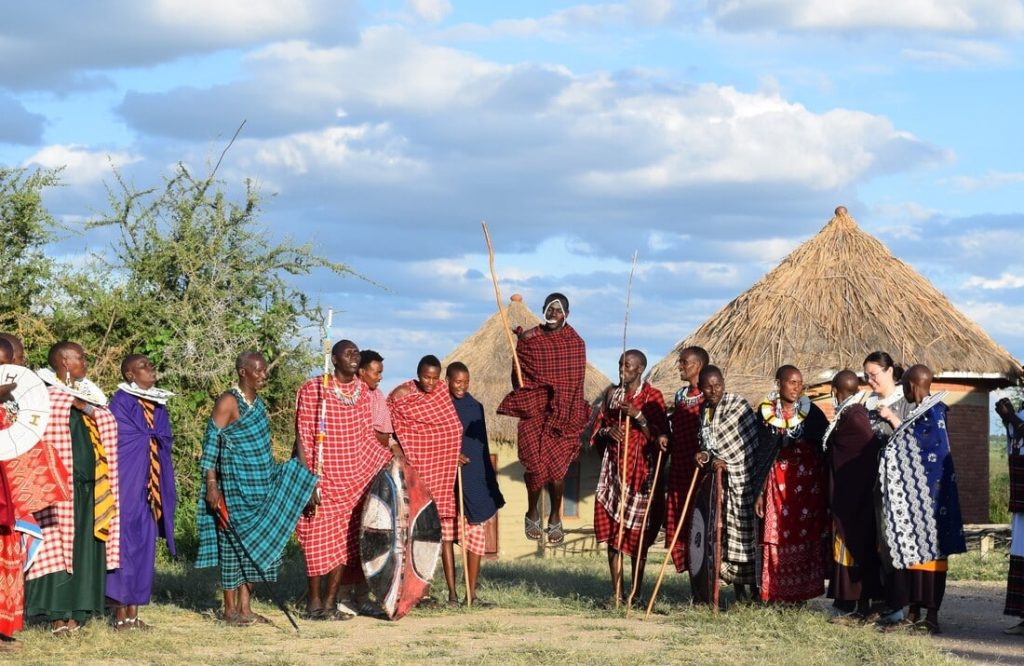
Even though they live outside the crater, the Maasai are allowed to herd their cattle around the crater rim or bring them down into the crater for water during the dry months of the year. While visiting Ngorongoro, arrangements can be made for you to visit one of their homesteads (boma) to learn about their age-old traditions and culture. A typical visit to a Maasai boma involves attending a traditional dance performance, exploring the houses, and meeting the elders.

Related Destinations

Serengeti National Park

The name Serengeti comes from the Maasai word Siringit, a term used for an endless stretch of land.

Tarangire National Park

Tarangire National Park covers approximately 2,850 sq km in northern Tanzania’s Rift Valley region

Ngorongoro Conservation Area

Ngorongoro Conservation Area covers roughly 8,292 sq km