Overview
Arusha National Park covers 552 sq km on the eastern side of the Great Rift Valley, roughly 40 km from Arusha city. The park receives less traffic than Serengeti or Ngorongoro, though its accessibility and ecological range make it one of Tanzania’s most practical safari introductions. Forest, crater terrain, alkaline lakes, open grassland, and montane slopes exist inside a relatively compact area, creating a broad concentration of habitats in a short driving distance.
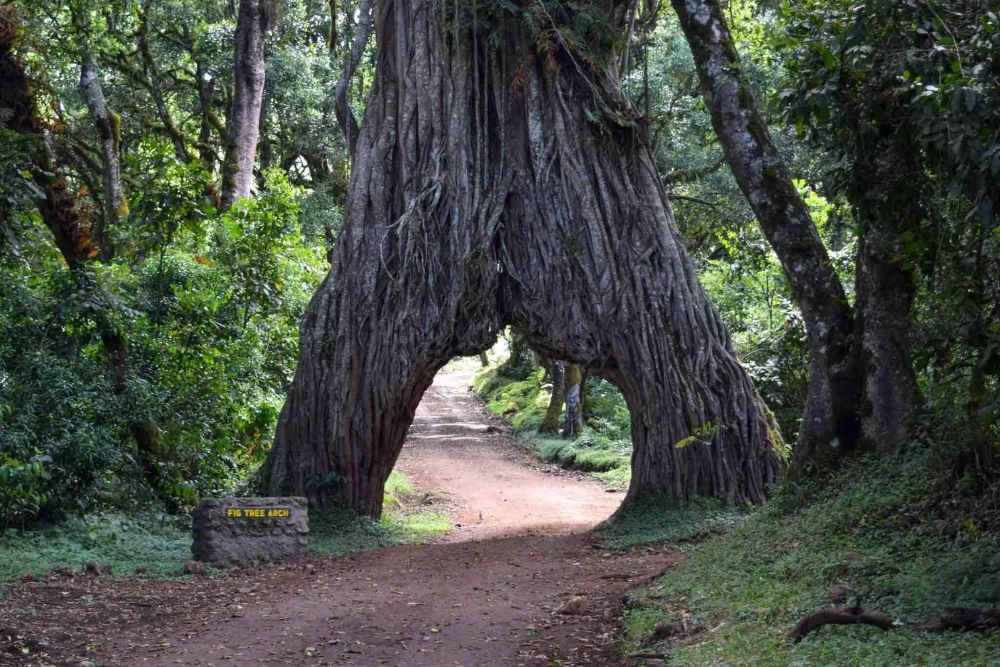
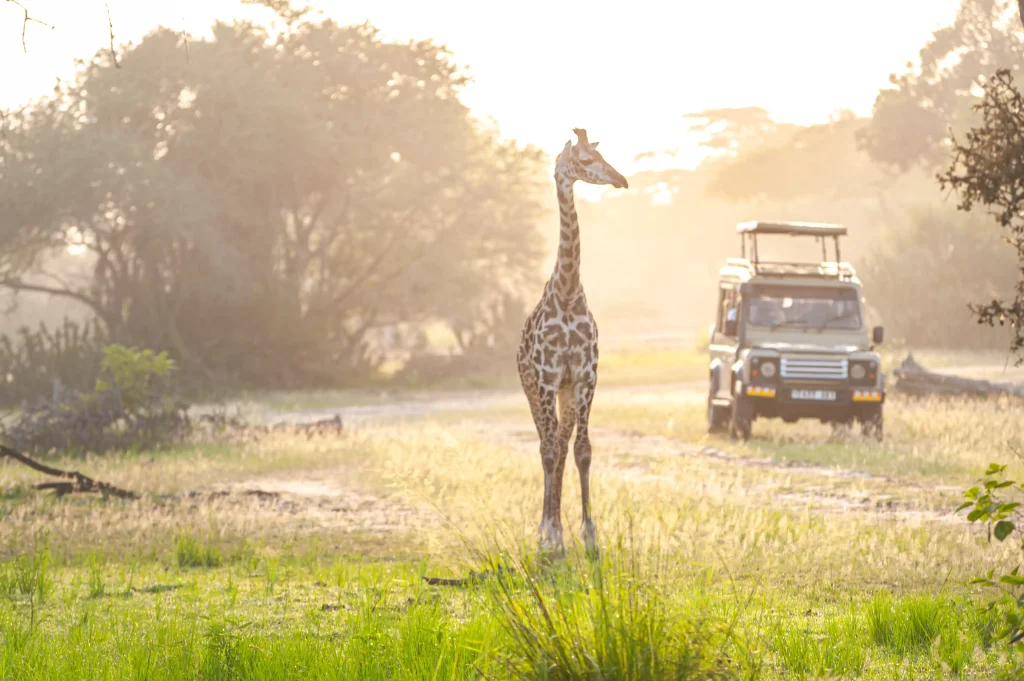
The park is widely recognised for black and white colobus monkeys found in the montane forest near Mount Meru, Tanzania’s second highest mountain at 4,566 metres. Giraffes, buffaloes, warthogs, zebras, flamingos, waterbucks, and blue monkeys are regularly seen during game drives. Lion populations are absent, allowing guided walking safaris and canoe excursions unavailable in many larger national parks.

Some argue the best time to visit Arusha National Park is between June and October, when the dry season offers excellent wildlife viewing and clear views of Mount Meru. But in fact, you can visit Arusha National Park any time of year and still enjoy an unforgettable safari.
Depending on your interests and travel goals, here’s what you can expect when visiting Arusha National Park.
Dry weather improves road access and visibility around Momella Lakes and open grassland areas. Wildlife gathers near permanent water sources, while Mount Meru is mostly seen clearer during early mornings.
Short rains arrive intermittently, though wildlife viewing continues comfortably. Bird activity increases during this period with migratory species present around the lakes and forest sections.
Rainfall intensifies during these months, creating greener scenery and fewer vehicles inside the park. Some roads become muddy, though forest sections and waterfalls appear more dramatic after sustained rain.
Game drives focus on forest wildlife, crater scenery, Momella Lakes, and open plains supporting giraffes, buffaloes, zebras, and waterbucks. The park’s smaller size allows several ecosystems to be explored in a single day.
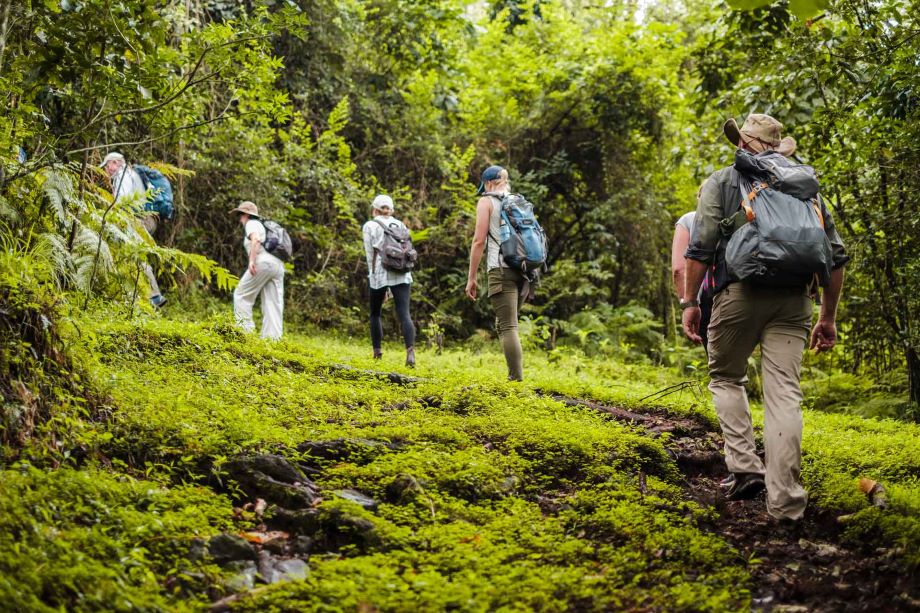
Arusha National Park is one of the few Tanzanian parks where armed ranger guided walking safaris take place regularly. Walking near giraffes, buffaloes, and forest sections offers a slower wildlife experience than vehicle based safaris.
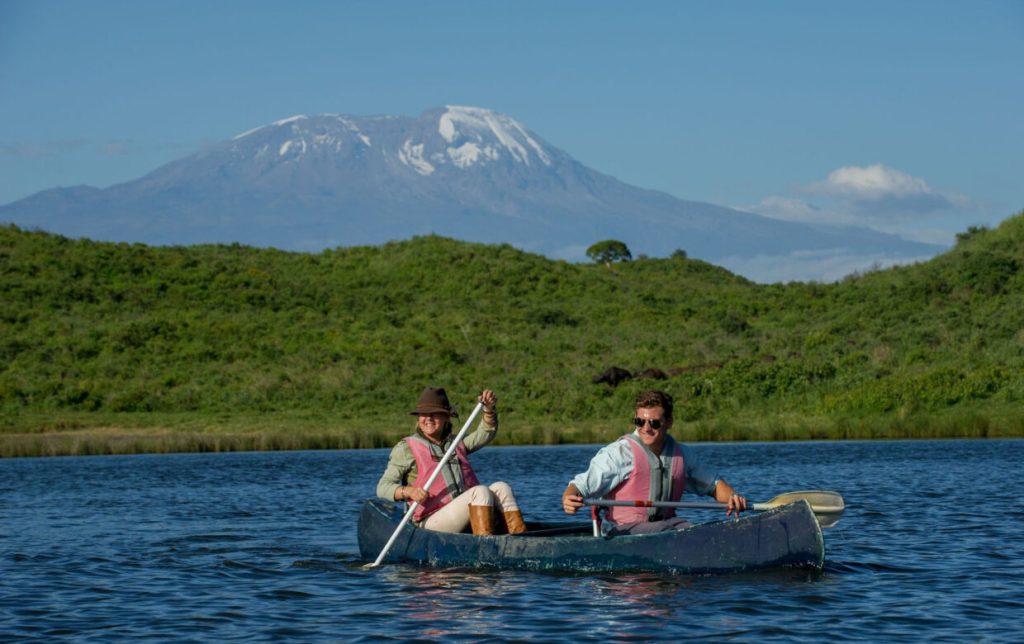
Canoeing excursions operate on Momella Lakes under ranger supervision. The activity gives close views of waterbirds, hippos near shoreline vegetation, and forested slopes surrounding the lakes.
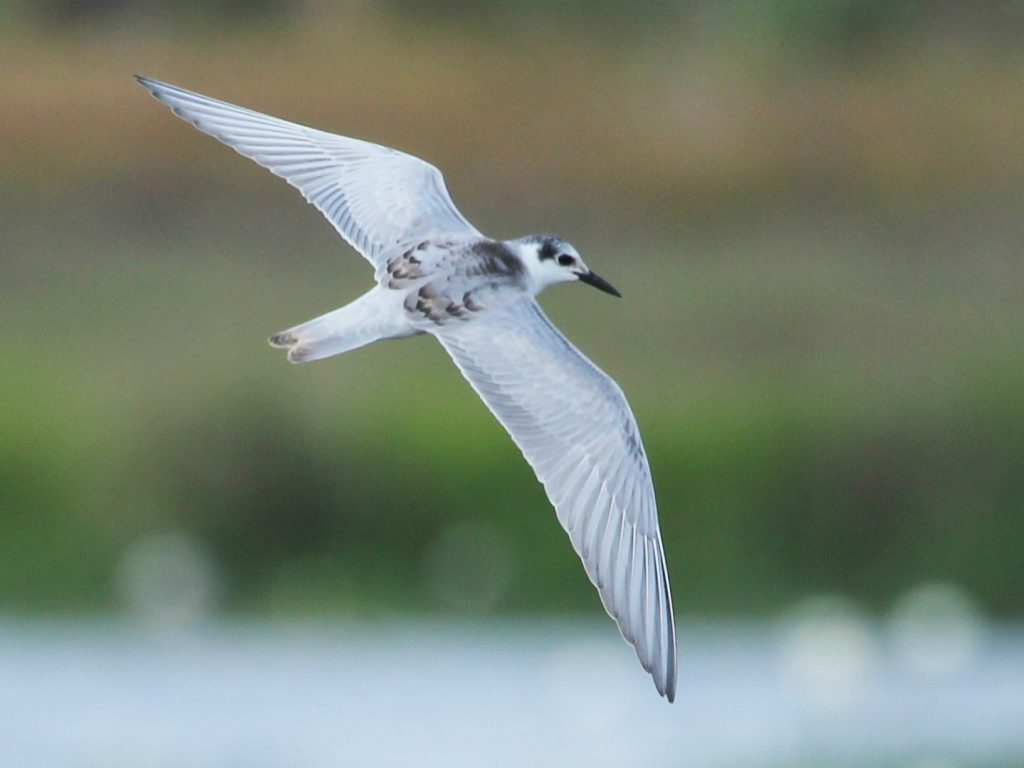
More than 400 bird species have been recorded inside the park. Flamingos, hornbills, crowned cranes, herons, and African fish eagles attract birdwatchers throughout the year.
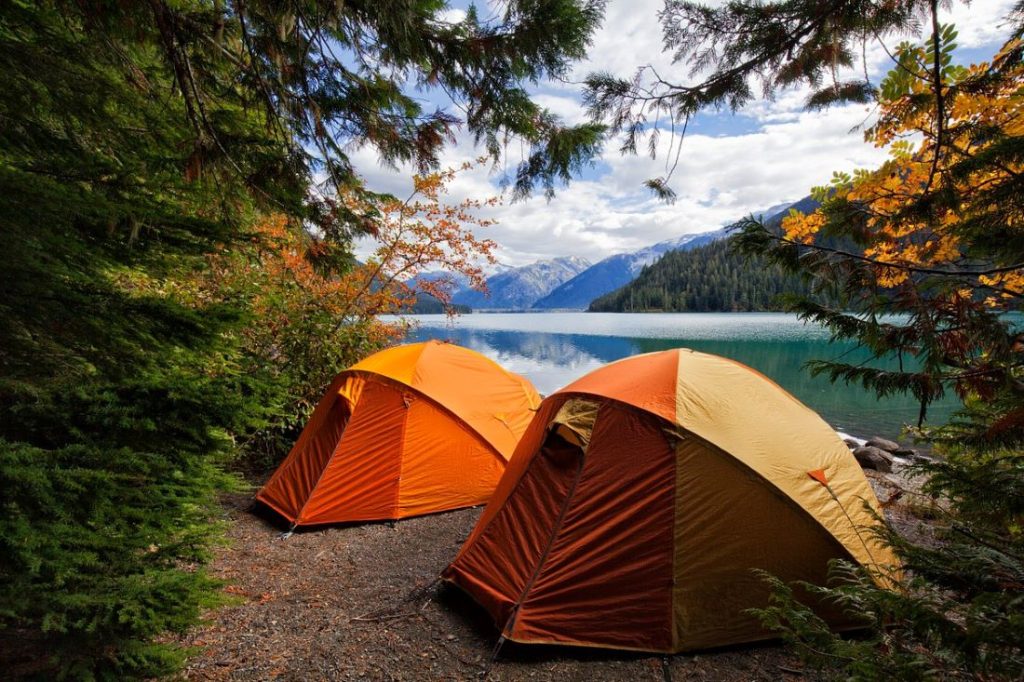
Public and private campsites are available inside the park, ranging from basic camping grounds to fully serviced tented facilities near Mount Meru forest sections and lake areas.
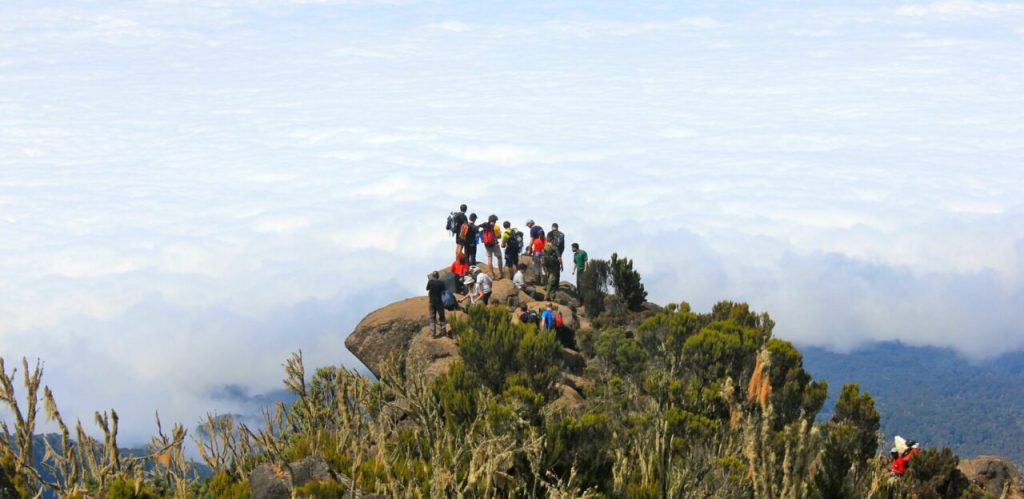
Mount Meru trekking usually takes three to four days and serves as both a standalone climb and acclimatisation route before Kilimanjaro. The route passes forest, heath, and alpine terrain with armed ranger escorts accompanying climbers during lower sections.
The name Serengeti comes from the Maasai word Siringit, a term used for an endless stretch of land.
Tarangire National Park covers approximately 2,850 sq km in northern Tanzania’s Rift Valley region