Ruaha National Park

Overview

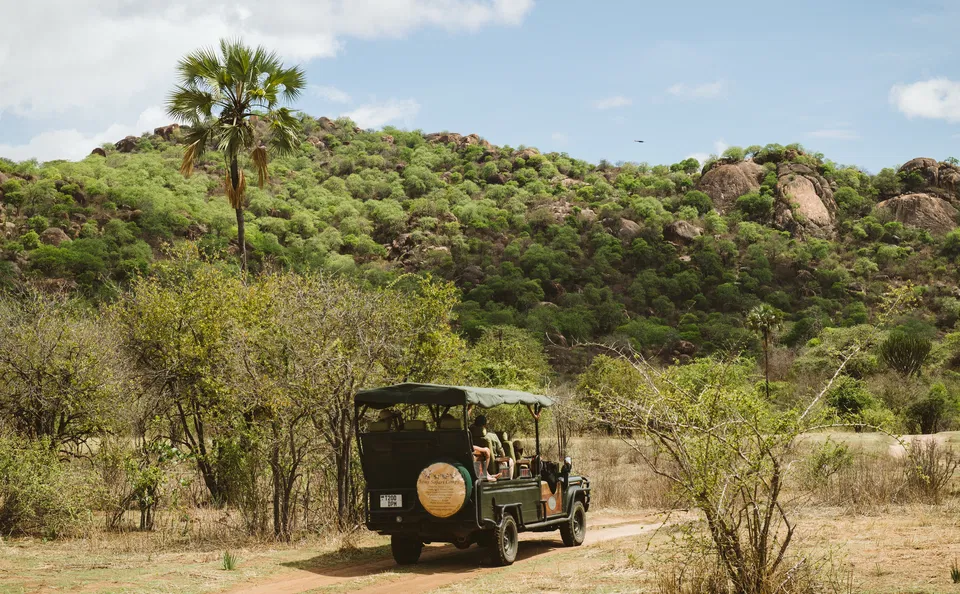
Ruaha National Park is Tanzania’s largest national park, geographically-speaking – covering approximately 20,226 sq km. The landscape features between river valleys, open grassland, rocky escarpments, baobab woodland, and dry acacia savanna. The Great Ruaha River dictates much of the wildlife activity during the dry season, drawing animals toward permanent water and shaded riverbanks. Compared to Serengeti, visitor numbers is relatively low for most of the year.

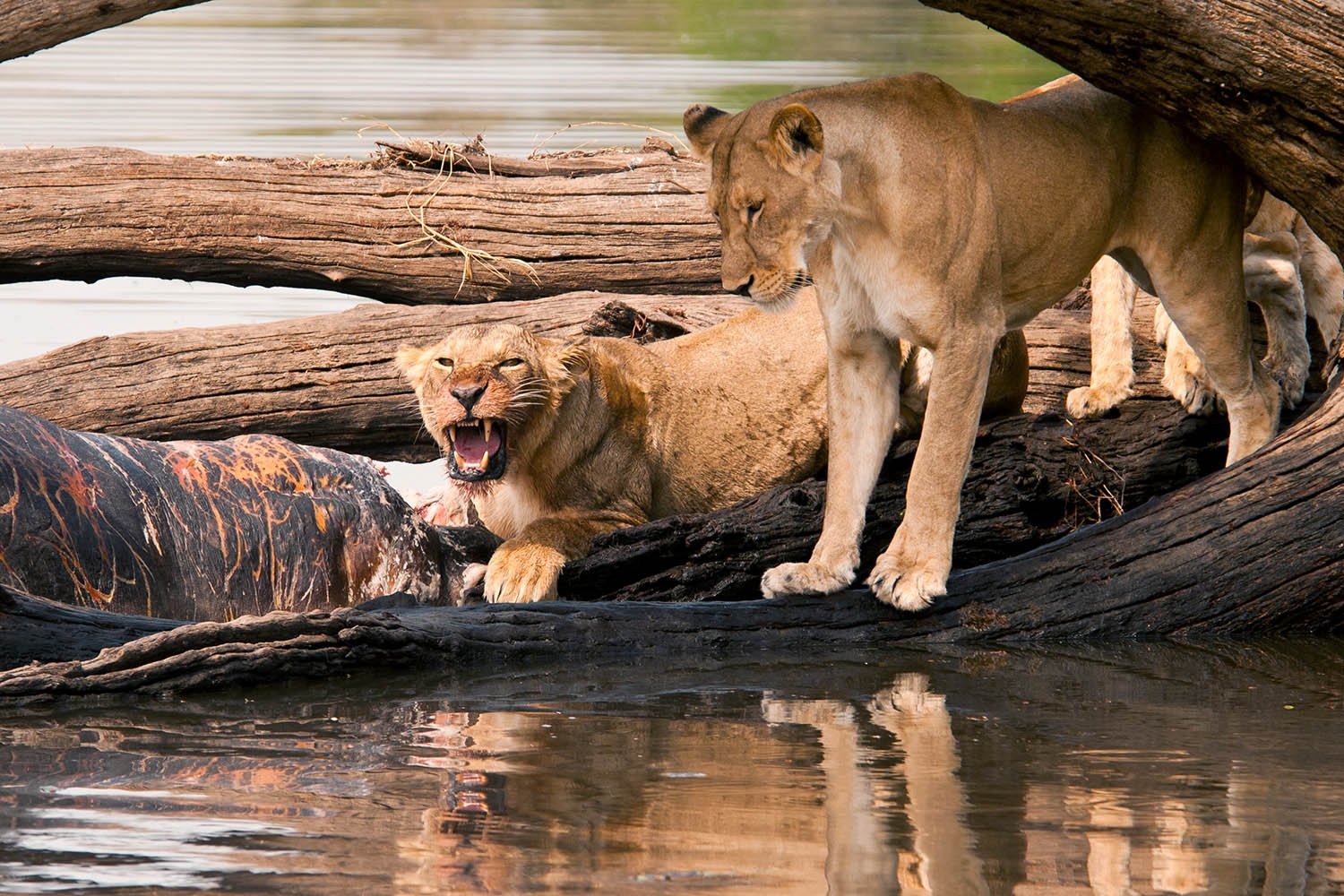
Ruaha records one of East Africa’s largest elephant populations and a healthy concentration of predators including lions, leopards, cheetahs, spotted hyenas, and endangered African wild dogs. Greater kudu, sable antelope, and roan antelope also attract wildlife enthusiasts due to their limited number in other national parks and game reserves. Birdlife is extensive, with more than 570 recorded species documented throughout the ecosystem.

Best Time to Visit Ruaha National Park

Some argue that the best time to visit Ruaha National Park is during the dry season, between June and October. However, Ruaha is a year-round safari destination, and every season offers its own unique wildlife experiences.

Depending on your interests and travel goals, here’s what you can expect when visiting Ruaha National

June to October

Dry conditions improve wildlife viewing near the Great Ruaha River and remaining water sources. Vegetation becomes thinner during these months, making animal activity easier to follow during game drives. This period records the highest safari demand in Ruaha.


November to February

Short rains bring greener scenery, migratory birdlife, and good photographic conditions. Wildlife disperses further from the river system, though game viewing is still incredible in many sections of the park.

March & May

Heavy rainfall affects some internal roads and several camps close temporarily during this season. The landscape looks greener and quieter, though travel logistics become less predictable compared to the dry season months.


Popular Activities In Ruaha National Park

Game Drives

Game drives is the principal safari activity in Ruaha. The park’s road network passes through river systems, open plains, and baobab woodland where elephants, lions, giraffes, buffaloes, and antelope species are regularly encountered. Longer drives usually improve wildlife opportunities due to the park’s large size.

Walking Safaris

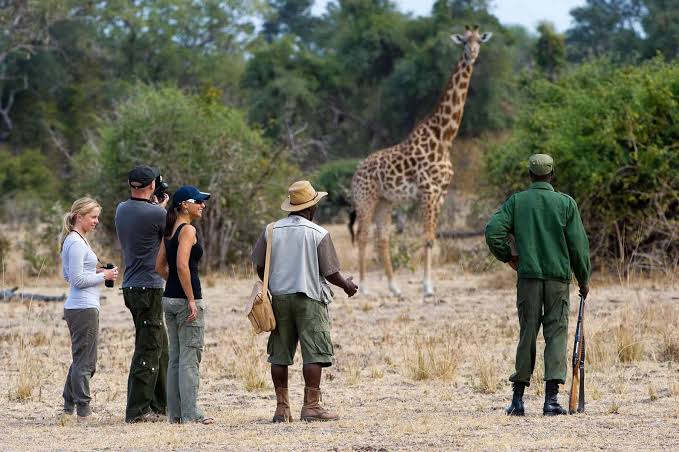
Ruaha ranks among Tanzania’s respected walking safari destinations. Guided walks focus on animal tracks, smaller wildlife, vegetation, and river ecosystems that receive less attention during vehicle based safaris. Armed park rangers accompany all walks inside the park.

Birdwatching

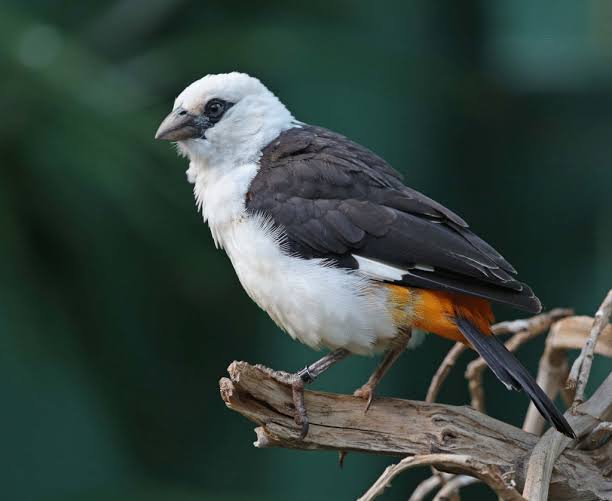
More than 570 bird species have been recorded in Ruaha, attracting birdwatchers during both dry and green seasons. Fish eagles, hornbills, bee eaters, kingfishers, and migratory species can all be observed near rivers, woodland, and seasonal wetlands.

Photographic Safaris

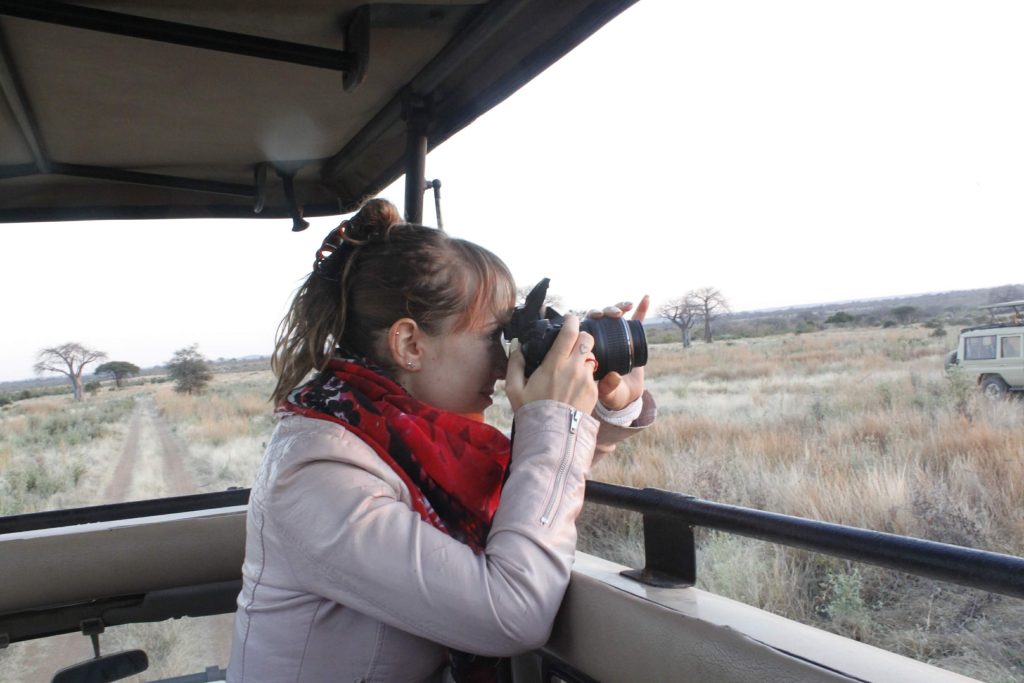
Ruaha’s baobab trees, dry riverbeds, rocky terrain, and seasonal light conditions create good opportunities for wildlife photography. The lower vehicle density also allows longer wildlife observations without crowding around animal activity.

Related Destinations

Serengeti National Park

The name Serengeti comes from the Maasai word Siringit, a term used for an endless stretch of land.

Tarangire National Park

Tarangire National Park covers approximately 2,850 sq km in northern Tanzania’s Rift Valley region

Ngorongoro Conservation Area

Ngorongoro Conservation Area covers roughly 8,292 sq km