Overview
Katavi National Park Covers Roughly 4,471 Sq Km In Western Tanzania Near Lake Rukwa. It Ranks Among The Country’s Least Visited Safari Destinations Despite Carrying One Of The Highest Concentrations Of Large Mammals In Tanzania During The Dry Season. Seasonal Floodplains, Reed Covered Wetlands, River Systems, Miombo Woodland, And Open Grassland Create A Raw Safari Setting With Limited Vehicle Traffic And Long Driving Distances Between Camps.
The Katuma River And Nearby Floodplains Attract Substantial Wildlife Numbers Between June And October When Water Sources Shrink. Large Buffalo Herds Dominate Several Sections Of The Park, Alongside Elephants, Lions, Spotted Hyenas, Giraffes, Zebras, Hippos, Crocodiles, Roan Antelopes, Sable Antelopes, And Leopard Populations. Katavi Also Records Excellent Birdlife Due To Its Wetland Ecosystems. Safari Infrastructure Remains Limited Compared With Serengeti, Giving The Park A Quieter Atmosphere And Longer Uninterrupted Wildlife Observations.

best time to visit Katavi National Park is during the dry season, between June and October. However, Katavi is a year-round safari destination, and every season offers its own unique wildlife experiences.Depending on your interests and travel goals, here’s what you can expect when visiting Katavi National Park.
Dry Conditions Improve Wildlife Viewing Around Rivers And Shrinking Water Pools. Grass Height Drops Considerably During These Months, Making Animal Activity Easier To Follow Through Floodplain Sections And Woodland Edges Near The Katuma River System.
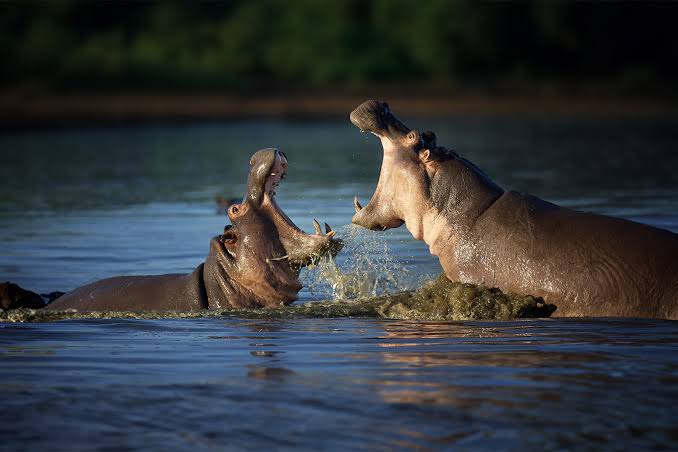
This Period Records Some Of Katavi’s Highest Wildlife Concentrations. Hippos Crowd Into Smaller Water Pools While Buffalo Herds Gather Near Permanent Water Sources. Day Temperatures Rise Sharply, Though Game Viewing Conditions Remain Excellent Throughout The Park.
Early Rainfall Changes The Appearance Of Katavi Considerably. Floodplains Regain Water, Birdlife Activity Increases, And Landscapes Turn Greener. Wildlife Disperses Over Wider Grazing Areas, Reducing Concentrated Game Viewing Near Rivers And Seasonal Wetlands.
Heavy Rainfall Affects Road Accessibility In Several Sections Of The Park. Some Camps Close Temporarily During This Period. Birdwatching Remains Rewarding, Though Safari Logistics Become More Complicated Due To Muddy Tracks And Seasonal Flooding.
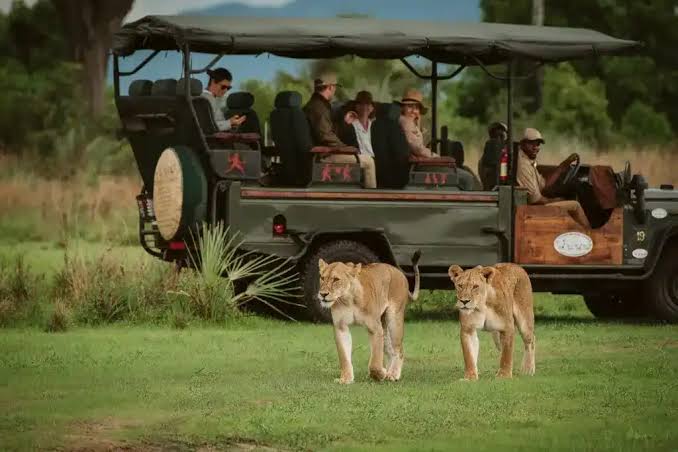
Game Drives Focus Heavily On Floodplain Wildlife Concentrations, Predator Activity Near River Systems, And Large Buffalo Gatherings During The Dry Season. Long Distances Between Wildlife Areas Create Slower Paced Safaris With Fewer Vehicles And Quieter Observation Periods.
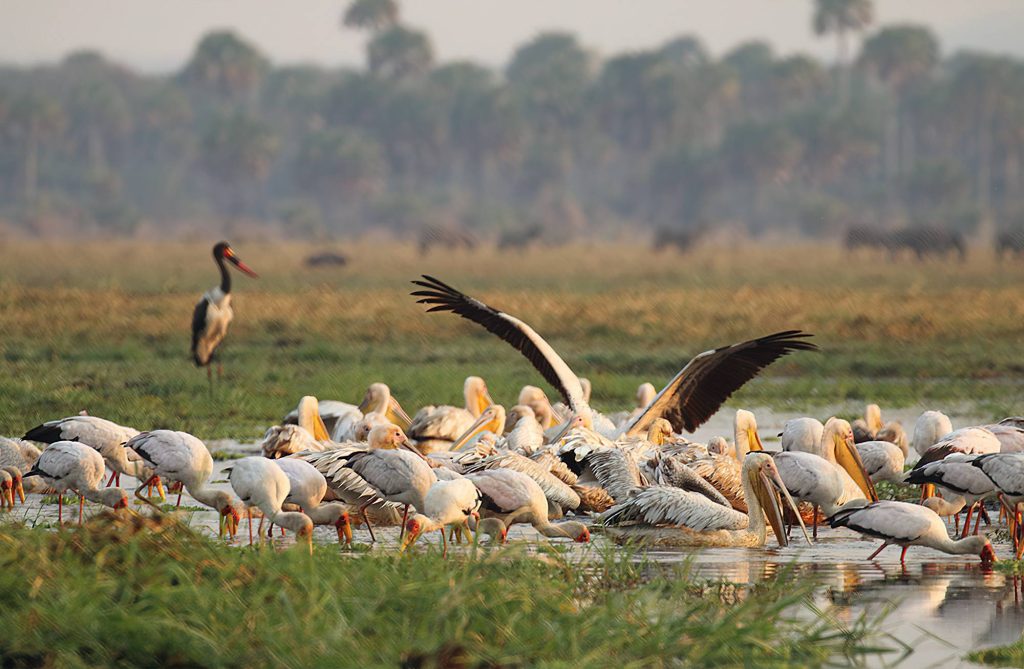
Katavi Supports Substantial Birdlife Due To Wetlands, Seasonal Lakes, Woodland Habitat, And River Systems. Fish Eagles, Saddle Billed Storks, Kingfishers, Bee Eaters, Herons, And Migratory Species Attract Birdwatchers During Wetter Months Between November And April.
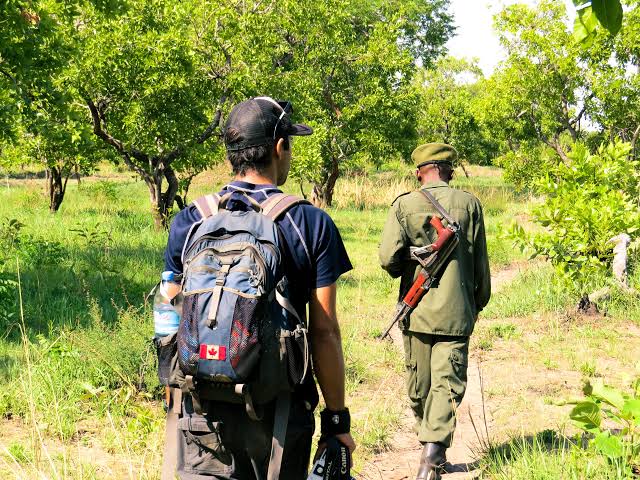
Walking Safaris Introduce Katavi From Ground Level Through Floodplain Edges, Woodland Sections, And Riverine Vegetation. Armed Guides Interpret Animal Tracks, Birdlife, Smaller Mammals, And Seasonal Plant Species While Discussing Ecological Conditions Affecting The Park Annually.
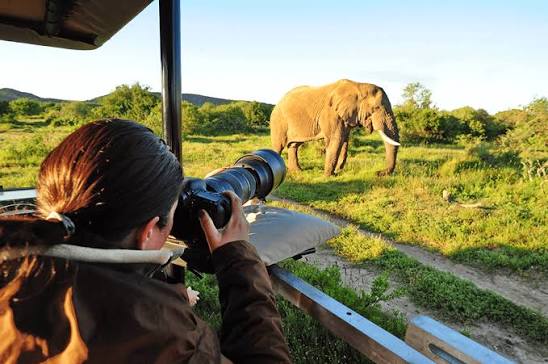
Photographic Safaris Benefit From Limited Vehicle Traffic, Open Floodplains, And Concentrated Dry Season Wildlife Activity. Dust Conditions, Changing Light Near Wetlands, And Predator Interactions Around Water Sources Create Rewarding Conditions For Wildlife Photography Throughout Katavi.
The name Serengeti comes from the Maasai word Siringit, a term used for an endless stretch of land.
Tarangire National Park covers approximately 2,850 sq km in northern Tanzania’s Rift Valley region