Overview
Mikumi National Park Covers 3,230 Sq Km In Southern Tanzania Near The Uluguru Mountains And The Northern Boundary Of The Selous Ecosystem. The Park Receives Consistent Safari Traffic Due To Its Road Access From Dar Es Salaam And Its Open Wildlife Viewing Conditions Around The Mkata Floodplain. Grassland, Acacia Woodland, Seasonal Rivers, And Baobab Dotted Terrain Shape Much Of The Park Environment.
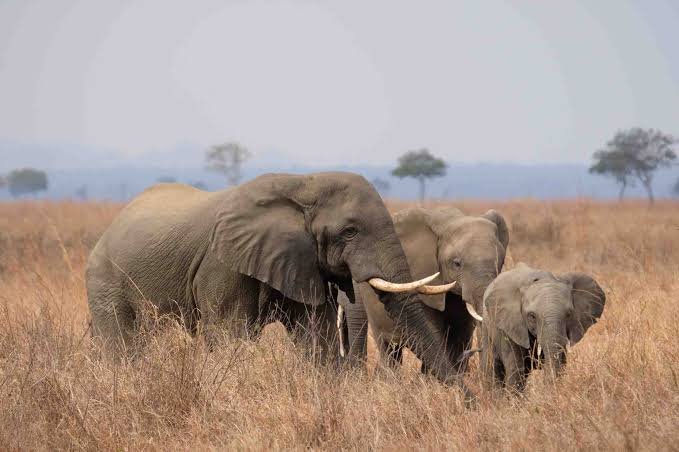
Mikumi Is Recognised For Elephant, Lion, Buffalo, Giraffe, Zebra, Wildebeest, Hippo, Crocodile, Eland, And Several Antelope Species Including Sable And Greater Kudu. Birdlife Is Extensive, With More Than 400 Recorded Species. Compared With Busier Safari Destinations, Mikumi Usually Presents A Quieter Atmosphere On Game Drives, Making Wildlife Observation Easier During Certain Months. The Park Also Functions As An Important Wildlife Corridor Connected To Surrounding Conservation Zones In Southern Tanzania

best time to visit Mikumi National Park is during the dry season, between June and October. However, Mikumi is a year-round safari destination, and every season offers its own unique wildlife experiences.
Depending on your interests and travel goals, here’s what you can expect when visiting Mikumi National Park.
Dry Conditions Improve Wildlife Viewing Around Rivers, Waterholes, And The Mkata Floodplain. Vegetation Thins Considerably During These Months, Allowing Clearer Views During Game Drives. Roads Also Remain Easier To Navigate After Seasonal Rains End.
Short Rains Return Scattered Green Vegetation To The Park While Wildlife Activity Still Remains Active Around Open Grassland. Birdlife Increases During This Period As Migratory Species Begin Arriving From Other Parts Of Africa And Europe.
This Period Brings Warm Temperatures And Greener Scenery Throughout Mikumi. Young Animals Are Commonly Seen Near Grazing Areas, While Afternoon Thunderstorms Occasionally Interrupt Game Drives Without Affecting Safari Conditions For Extended Periods.
Heavier Rainfall Dominates Much Of This Season, Affecting Road Access In Several Sections Of The Park. Landscape Conditions Appear Greener And Less Dusty, Though Wildlife Viewing Becomes More Difficult Due To Taller Grass And Thicker Vegetation.
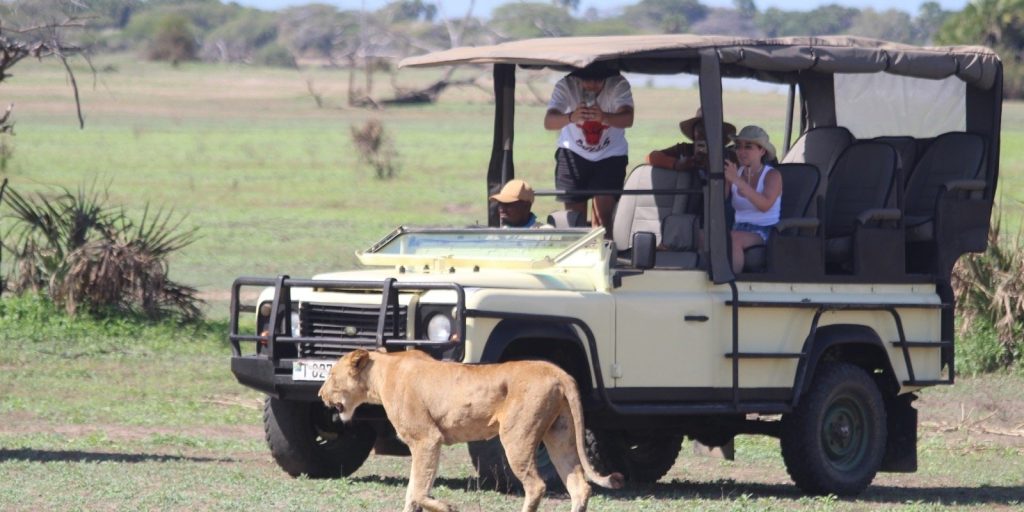
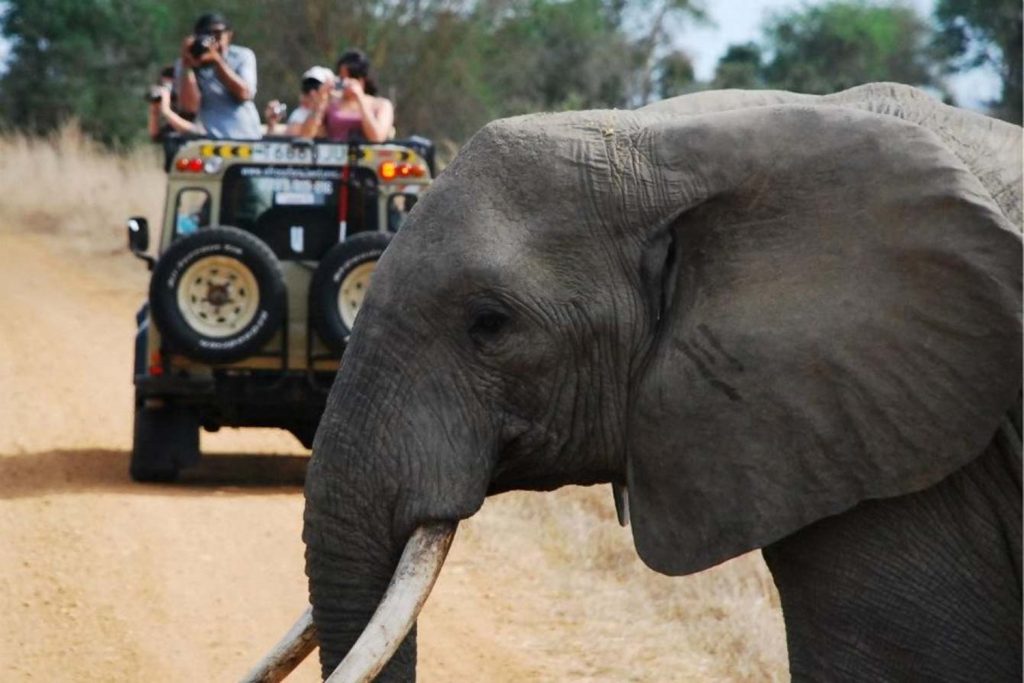
Game Drives Focus Mainly Around The Mkata Floodplain Where Open Terrain Allows Easier Wildlife Observation Throughout Much Of The Year. Elephants, Zebras, Giraffes, Buffaloes, Lions, And Several Antelope Species Are Regularly Encountered During Morning And Afternoon Excursions.
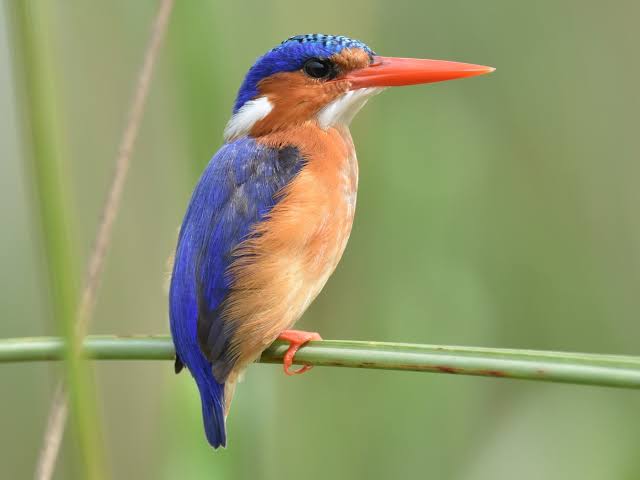
Mikumi Supports More Than 400 Bird Species, Attracting Birdwatchers During Both Dry And Green Seasons. Lilac Breasted Rollers, Bateleurs, Hornbills, Secretary Birds, And Saddle Billed Storks Are Frequently Recorded Around Wetlands, Grassland, And Woodland Sections.
Open Plains And Lower Vehicle Density Create Favourable Conditions For Wildlife Photography In Mikumi. Early Morning Light Around The Floodplain Usually Provides Clearer Visibility For Photographing Predators, Elephants, Giraffes, And Seasonal Birdlife Without Excessive Vehicle Congestion.
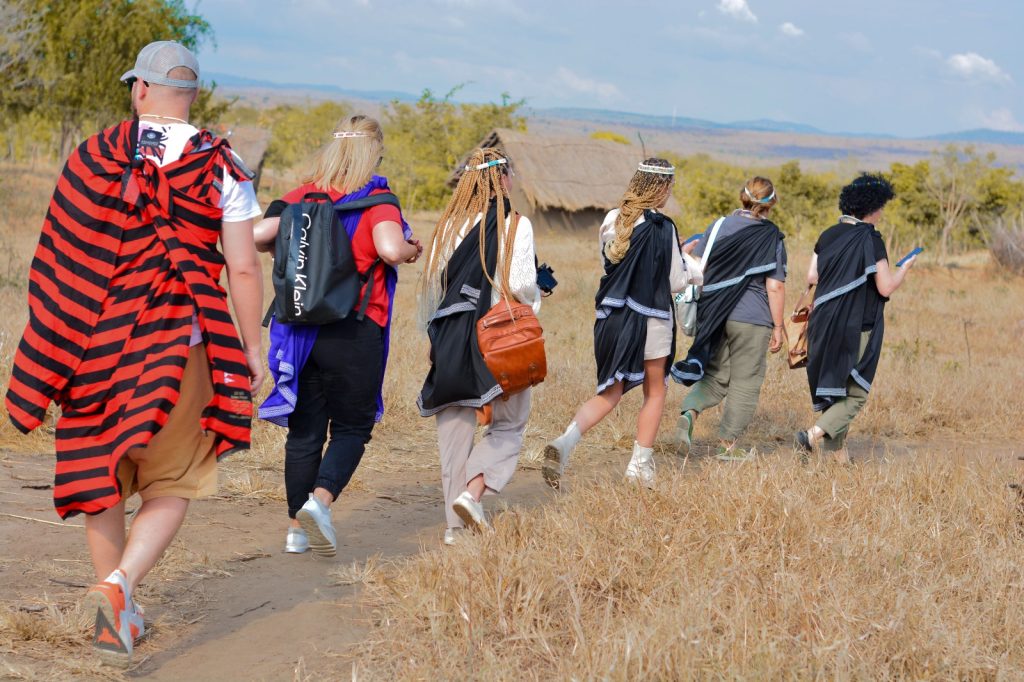
Several Safari Programs Include Visits To Nearby Communities Outside The Park Boundary. These Excursions Introduce Local Farming Activities, Food Preparation, Village Life, And Regional Customs Without Turning The Experience Into Staged Cultural Entertainment Aimed At Safari Tourism.
The name Serengeti comes from the Maasai word Siringit, a term used for an endless stretch of land.
Tarangire National Park covers approximately 2,850 sq km in northern Tanzania’s Rift Valley region