The Mahale Mountains National Park

Overview

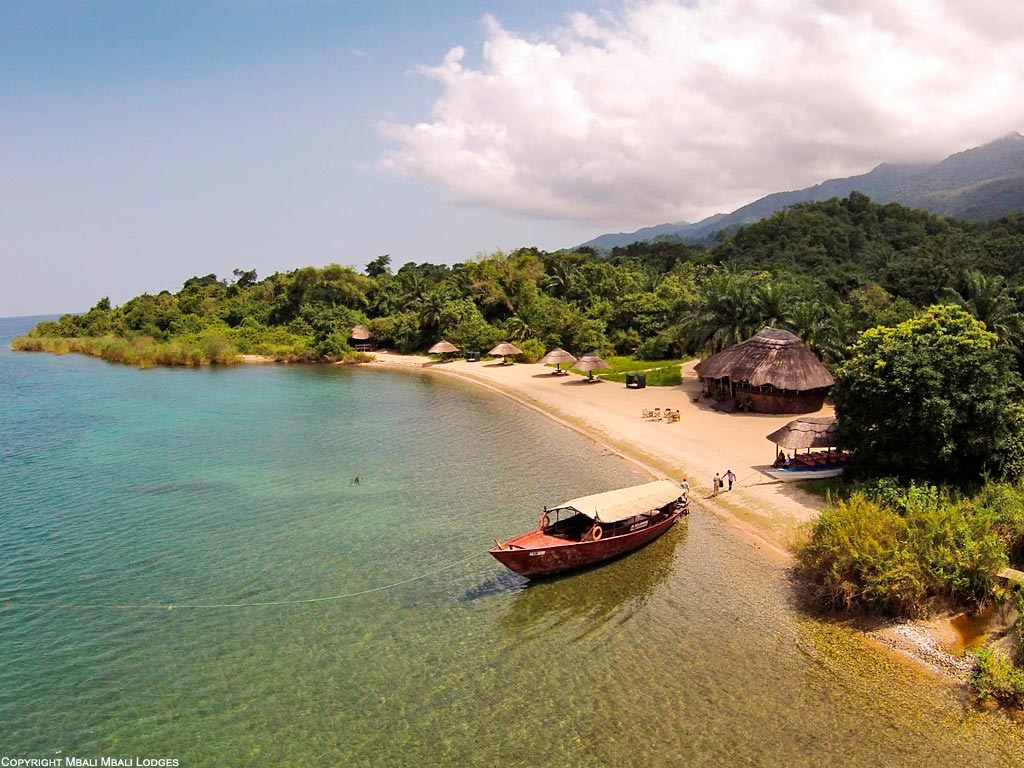
Mahale Mountains National Park Covers 1,613 Sq Km Along The Eastern Shoreline Of Lake Tanganyika In Western Tanzania. The Park Attracts Attention For Chimpanzee Tracking, Forested Mountain Terrain, And Its Isolated Location Far From The Country’s Busier Safari Circuits. Access Usually Involves Light Aircraft And Boat Transfers, Which Limits Visitor Numbers Throughout Much Of The Year.

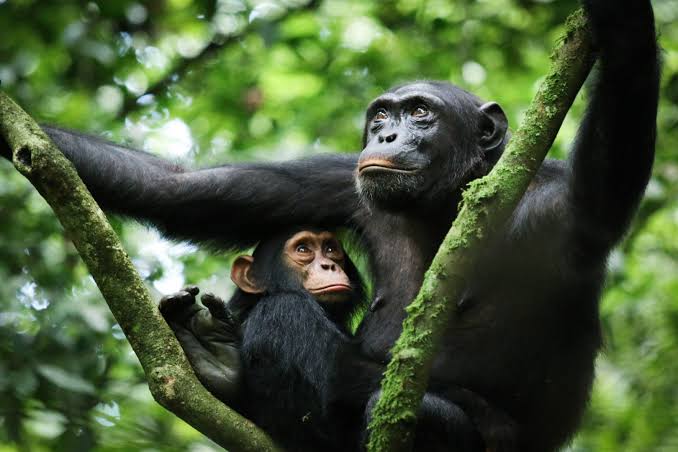
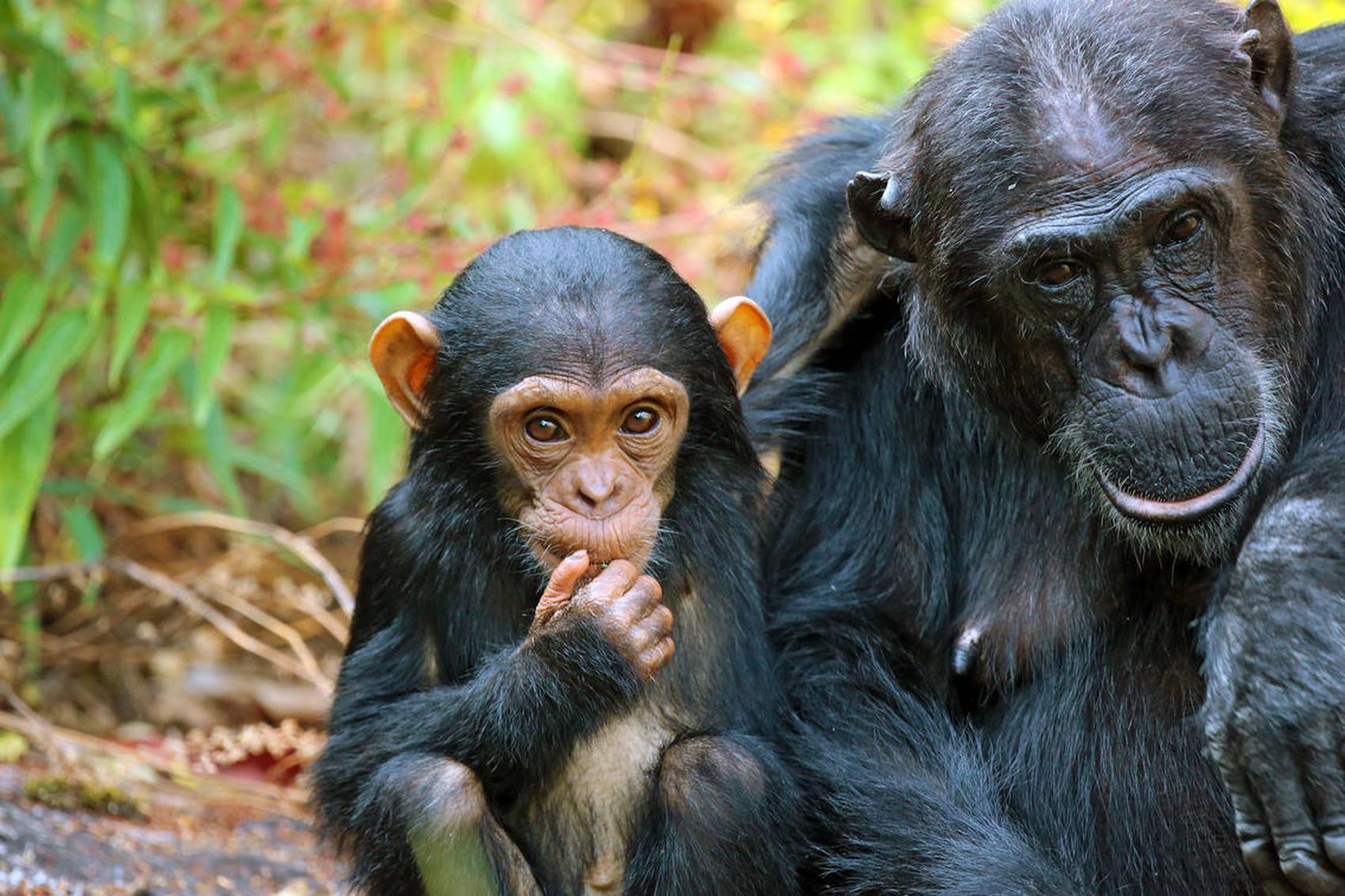
The Landscape Includes Montane Forest, Bamboo Zones, Miombo Woodland, Rocky Beaches, And Narrow Freshwater Streams Descending From The Mahale Range Toward The Lake. Chimpanzees Remain The Principal Attraction, Though The Park Also Supports Red Colobus Monkeys, Red Tailed Monkeys, Bushbucks, Giant Forest Squirrels, Warthogs, And Over 350 Recorded Bird Species. Lake Tanganyika Adds Another Dimension Through Freshwater Fish Diversity And Clear Swimming Conditions Along The Shoreline Near Camp Areas.



Best Time to Visit Mahale Mountains National Park

Some argue that the best time to visit Mahale Mountains National Park is during the dry season, between June and October. However, Mahale is a year-round destination, and every season offers its own unique experiences.

Depending on your interests and travel goals, here’s what you can expect when visiting Mahale Mountains National Park.


June to October

Dry Conditions Improve Forest Trails And Shorten Chimpanzee Tracking Times In Many Sections Of The Park. Clearer Skies Also Assist Lake Activities, Photography, And Hiking Conditions Along The Lower Slopes Near Lake Tanganyika.


November To December

Short Rains Begin During This Period, Though Chimpanzee Tracking Still Continues. Forest Scenery Appears Greener, Temperatures Rise Slightly, And Visitor Numbers Reduce Compared To The Middle Months Of The Dry Season.


January To February

Forest Vegetation Thickens After Seasonal Rainfall, Creating Attractive Conditions For Photography And Bird Activity. Chimpanzees Feed Deeper Inside The Forest During Some Days, Leading To Longer Tracking Excursions With Park Guides.


March To May

Heavy Rainfall Affects Access Routes, Forest Trails, And Boat Schedules Around The Lake. Several Camps Close Temporarily During These Months, Though The Scenery Appears Lush And Visibility Around The Mountains Improves After Rainfall.

Popular Activities In Mahale Mountains National Park


Best Activities In Mahale Mountains National Park

Chimpanzee Tracking

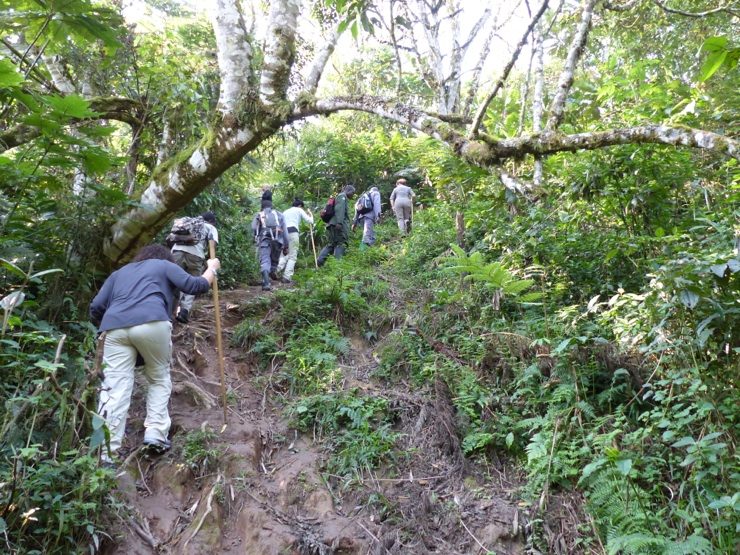
Chimpanzee Tracking Remains The Principal Activity In Mahale. Treks Pass Through Steep Forest Paths And River Valleys Before Locating Habituated Chimpanzee Groups. Tracking Duration Changes Daily According To Feeding Locations, Weather Conditions, And Chimpanzee Movement Through The Forest.

Forest Hiking

Guided Hiking Excursions Explore Sections Of The Mahale Mountains Beyond Chimpanzee Areas. Routes Pass Bamboo Stands, Waterfalls, Forest Clearings, And Elevated Ridges Overlooking Lake Tanganyika. Hikes Differ In Difficulty Depending On Elevation, Trail Conditions, And Weather.

Kayaking On Lake Tanganyika

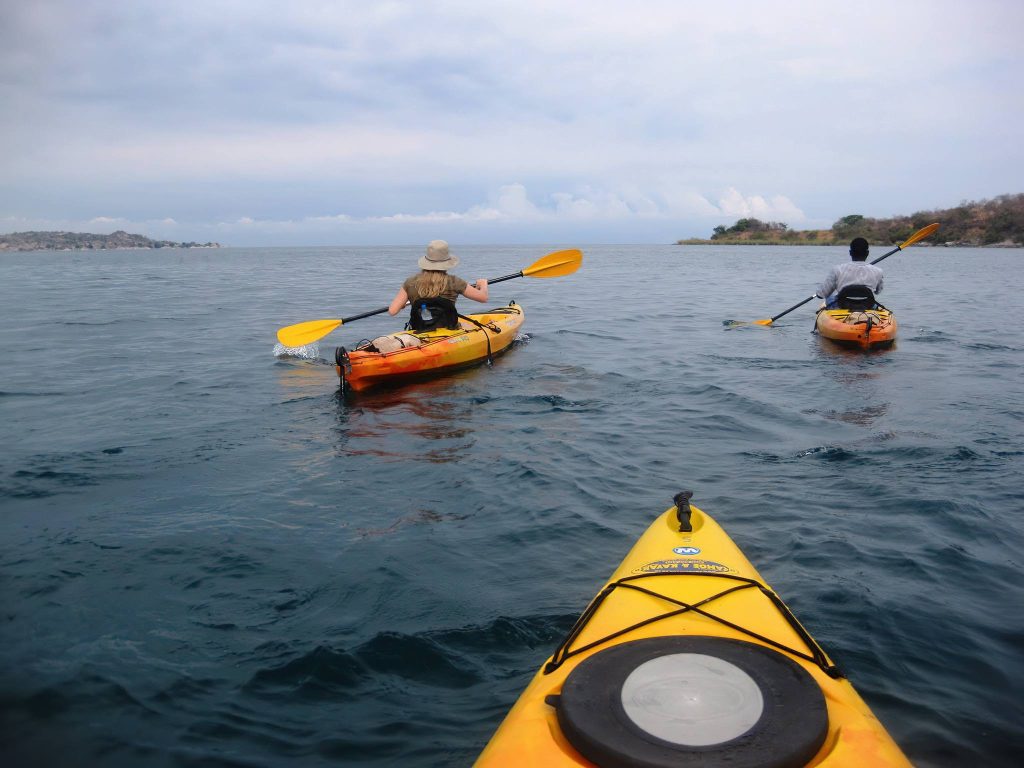
Kayaking Excursions Take Place Along Calm Sections Of Lake Tanganyika Near The Park Shoreline. The Activity Provides Quieter Observation Of Forested Slopes, Fishing Villages Outside Park Boundaries, And Birdlife Concentrated Near Rocky Sections Of The Lake.

Snorkelling And Swimming

Lake Tanganyika Contains Exceptionally Clear Freshwater Conditions Suitable For Swimming And Snorkelling Near Camp Beaches. Colourful Cichlid Fish Appear Close To Shore, While Calmer Morning Conditions Usually Provide Better Underwater Visibility Than Afternoon Periods.

Birdwatching

Mahale Supports More Than 350 Bird Species Spread Through Forest, Woodland, And Lakeshore Habitats. Birdwatching Activities Focus On Hornbills, Kingfishers, Palm Nut Vultures, And Several Migratory Species Recorded During Wetter Months Of The Year.

Related Destinations

Serengeti National Park

The name Serengeti comes from the Maasai word Siringit, a term used for an endless stretch of land.

Tarangire National Park

Tarangire National Park covers approximately 2,850 sq km in northern Tanzania’s Rift Valley region

Ngorongoro Conservation Area

Ngorongoro Conservation Area covers roughly 8,292 sq km