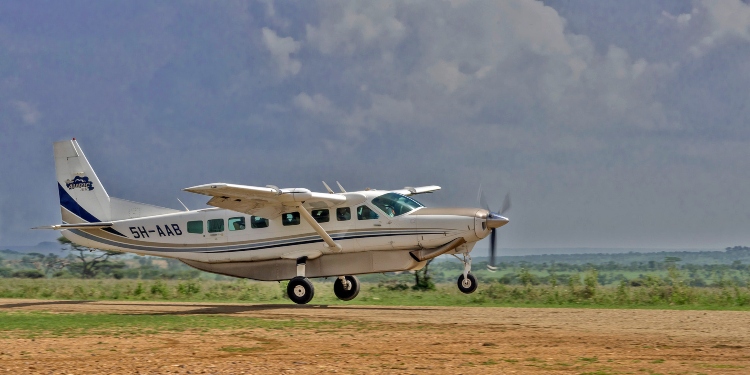
Nyerere National Park

Overview

Nyerere National Park ranks among Africa’s largest protected wildlife areas, covering roughly 30,893 sq km in southern Tanzania. The park takes its name from Julius Nyerere, Tanzania’s founding president, and occupies a substantial section of the former Selous Game Reserve. Its geography includes river channels, oxbow lakes, open plains, seasonal wetlands, acacia woodland, and dense bush country shaped by the Rufiji River system. Compared to Serengeti, visitor numbers is lower through much of the year, giving the park a quieter safari atmosphere.

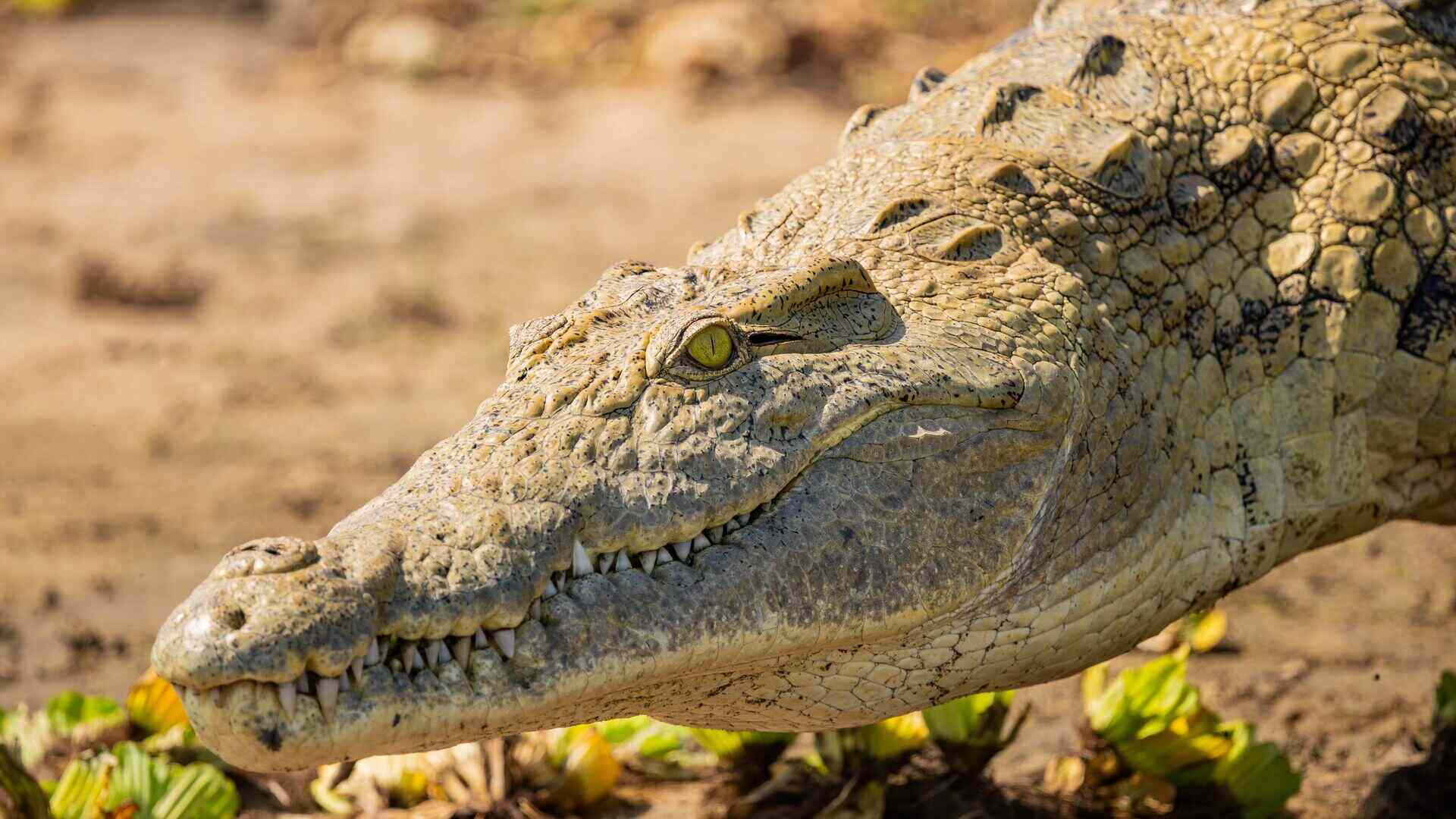
Wildlife concentrations is impressive, with large populations of elephants, buffaloes, lions, leopards, hippos, crocodiles, giraffes, zebras, and spotted hyenas. Nyerere also supports one of Tanzania’s important African wild dog populations. Birdlife attracts considerable attention due to the river networks and floodplains, with fish eagles, kingfishers, bee eaters, saddle billed storks, and pelicans recorded regularly.

Best Time to Visit Nyerere National Park

Best time to visit Nyerere National Park is during the dry season, between June and October. However, Nyerere is a year-round safari destination, and every season offers its own unique wildlife experiences. Depending on your interests and travel goals, here’s what you can expect when visiting Nyerere National Park.

June to October

Dry conditions improve road access and wildlife viewing during these months. Vegetation thins out considerably and animals gather near permanent water sources. Temperature are comfortable during mornings and evenings, though afternoons can feel quite warm by September and October. This period records the busiest safari traffic in the park.


November to February

Short rains usually begin during November, bringing greener scenery and clearer skies after dusty dry months. Wildlife viewing is still at its best, though occasional rain showers can interrupt game drives briefly. Bird activity increases during this period as migratory species arrive in southern Tanzania

January to March

The landscape looks greener and more fertile during these months, with many animals feeding far from riverbanks after seasonal rainfall. Birdwatching conditions improve considerably, and photography benefits from softer light and cleaner air. Afternoon temperatures rise steadily toward March.


April to May

Heavy rainfall affects much of the park during these months. Several camps close temporarily, and road conditions become difficult in remote sectors. Safari travel during this period suits travellers interested in lower rates, dramatic scenery, and fewer vehicles rather than extensive game viewing.

Best Activities In Nyerere National Park

Game Drives

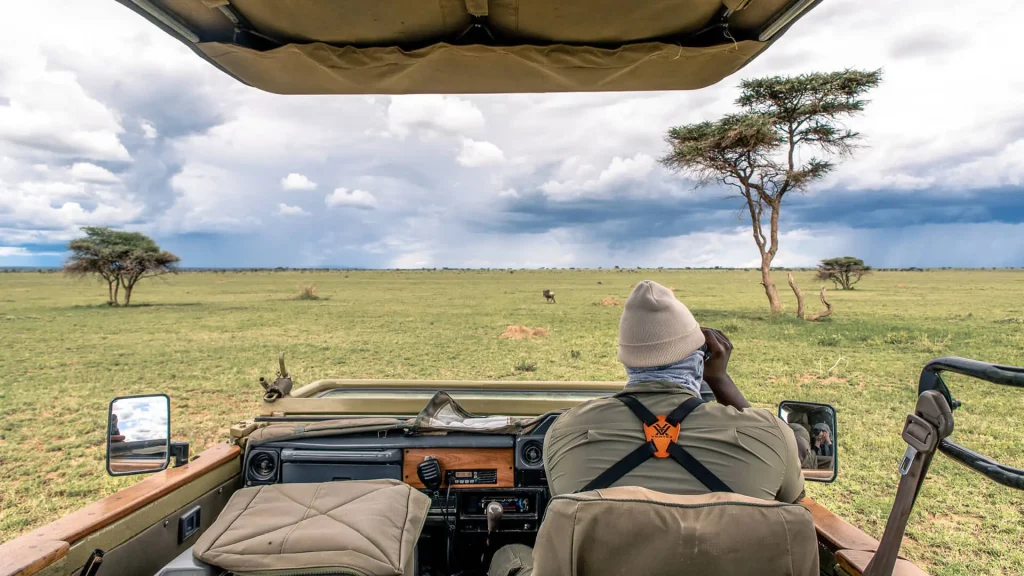
Game drives is the principal safari activity in Nyerere National Park. The park’s extensive road network passes through woodland, floodplains, river edges, and open grass areas where elephants, lions, giraffes, and wild dogs can all be encountered during a single outing. Full day drives work well due to the park’s large size.

Boat Safaris

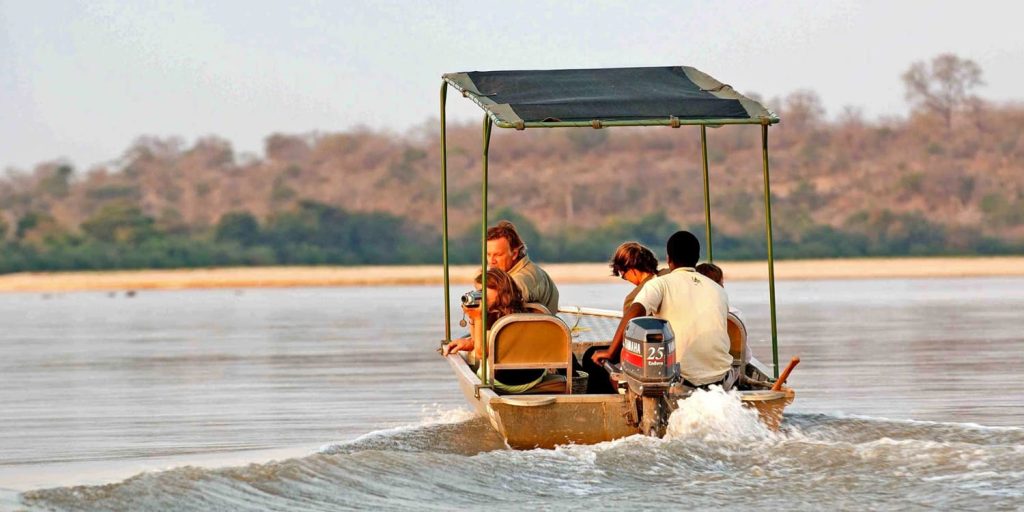
Boat safaris along the Rufiji River rank among Nyerere’s defining experiences. These excursions place travellers close to hippos, crocodiles, and waterbirds while offering a completely different perspective from vehicle-based safaris. Late afternoon departures usually provide cooler temperatures and softer light for photography

Birdwatching

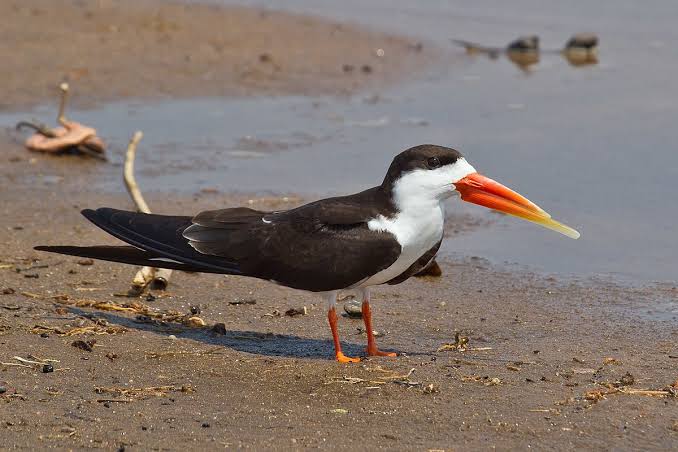
Nyerere attracts bird enthusiasts because of its river systems, wetlands, and varied vegetation zones. Fish eagles, hammerkops, kingfishers, herons, bee eaters, and saddle billed storks appear regularly around the Rufiji River and surrounding floodplains. The wetter months between November and March usually record the highest bird activity.

Walking Safaris

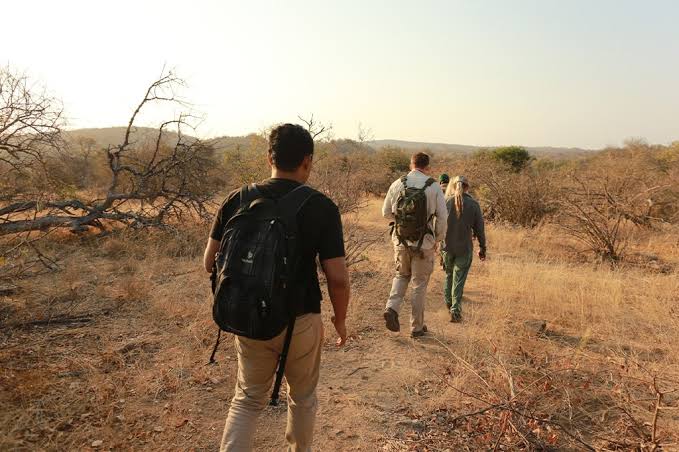
Walking safaris take place under the supervision of armed guides and trained rangers. The activity focuses less on large wildlife encounters and more on animal tracks, birdlife, medicinal plants, insects, and ecological details commonly missed during vehicle safaris. Early morning conditions usually suit these excursions best

Fly Camping

Fly camping offers a simpler overnight safari experience away from permanent lodges and camps. Travellers spend the evening in lightweight temporary camps accompanied by guides, cooks, and park rangers. The activity focuses on immersion in the bush environment without excessive comfort or complicated logistics.


Related Destinations

Serengeti National Park

The name Serengeti comes from the Maasai word Siringit, a term used for an endless stretch of land.

Tarangire National Park

Tarangire National Park covers approximately 2,850 sq km in northern Tanzania’s Rift Valley region

Ngorongoro Conservation Area

Ngorongoro Conservation Area covers roughly 8,292 sq km