Lake Manyara National Park

Overview

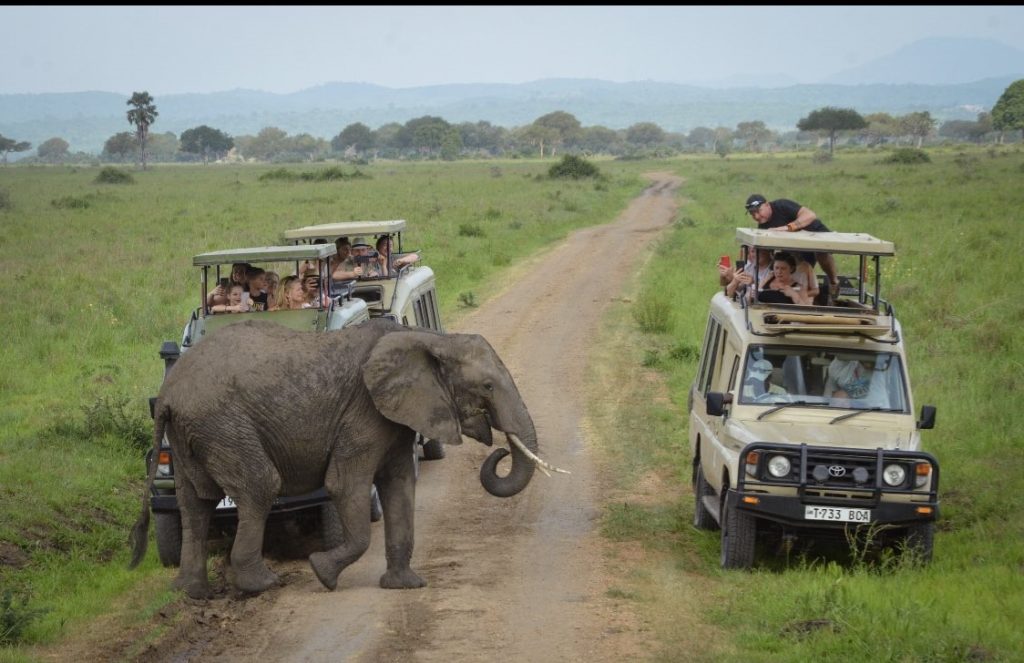
Lake Manyara National Park covers approximately 330 sq km along the base of the Great Rift Valley escarpment, about two hours from Arusha. Despite its modest size, the park holds remarkable ecological diversity, ranging from groundwater forest and acacia woodland to open grassland, hot springs, and the alkaline lake itself. The forest section near the entrance supports one of Africa’s largest baboon populations, while elephants move quietly through thick fig and mahogany trees close to the water channels.


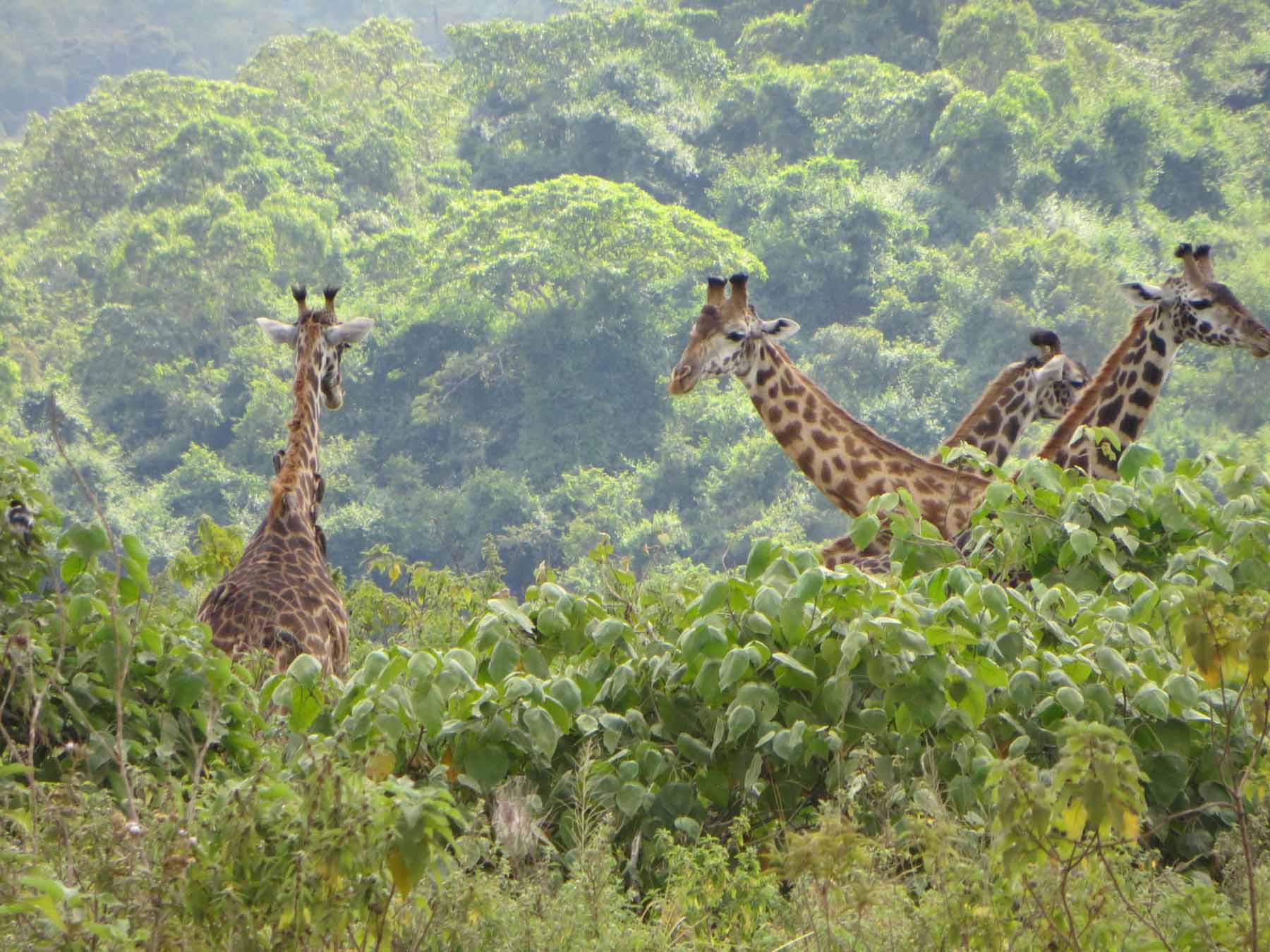
Lake Manyara gained international attention through its tree climbing lions, though encounters is inconsistent and entirely dependent on timing and animal behaviour. The lake also attracts thousands of flamingos during suitable water conditions, alongside pelicans, storks, and other aquatic birdlife. Maasai giraffes, buffaloes, hippos, zebras, and blue monkeys are regularly recorded inside the park, making it a practical introduction to Tanzania’s safari circuit.

Best Time to Visit Lake Manyara National Park

Some argue the best time to visit Lake Manyara National Park is between June and October, when wildlife is easier to spot during the dry season. But in fact, you can visit Lake Manyara any time of year and still enjoy an exceptional safari. Depending on your interests and travel goals, here’s what you can expect when visiting Lake Manyara National Park.

February to May

This period brings greener vegetation, fewer safari vehicles, and productive bird activity around the lake and floodplains. Flamingo numbers may increase when water conditions permit, though wildlife visibility becomes more difficult in thicker vegetation during heavy rainfall months.

June to September

Dry conditions improve road access and wildlife viewing near water sources. Elephant activity becomes easier to follow in the forest sections, while cooler temperatures create comfortable game drive conditions during mornings and evenings.

October to January

Short rains usually arrive during this period, though game viewing is still rewarding. The landscape starts recovering after the dry season, and birdlife activity increases again around the lakeshore and woodland sections.

Popular Activities In Lake Manyara National Park

Game Drives

Game drives is the primary activity inside the park, mainly because Lake Manyara packs several ecosystems into a relatively compact safari area. The route passes through forest, open grassland, lakeshore, and hot spring sections within a few hours, creating varied wildlife encounters during a single drive.

Biking at Mto wa Mbu Village

Cycling tours near Mto wa Mbu introduce local farming communities, banana plantations, art workshops, and everyday village activity near the park boundary. The activity works well as a shorter cultural excursion before or after wildlife viewing.

Zipline Adventure

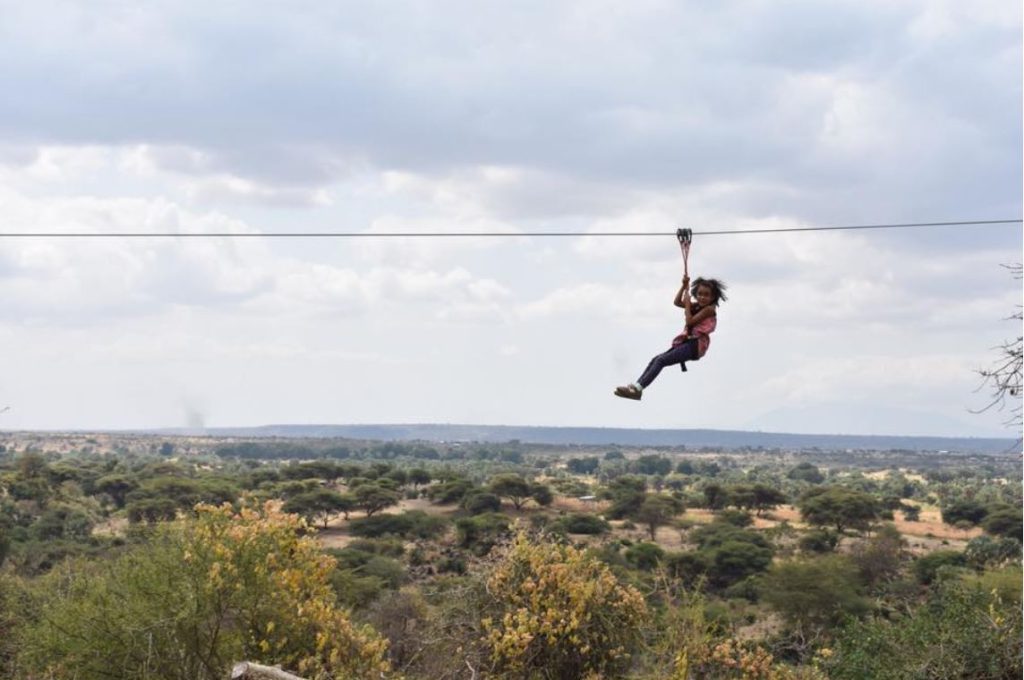
Zipline activities operate outside the national park near Mto wa Mbu. The course runs above sections of forest and rocky terrain along the Rift Valley escarpment, usually attracting travellers interested in adding a light adventure activity between safari days.

Related Destinations

Serengeti National Park

The name Serengeti comes from the Maasai word Siringit, a term used for an endless stretch of land.

Tarangire National Park

Tarangire National Park covers approximately 2,850 sq km in northern Tanzania’s Rift Valley region

Ngorongoro Conservation Area

Ngorongoro Conservation Area covers roughly 8,292 sq km