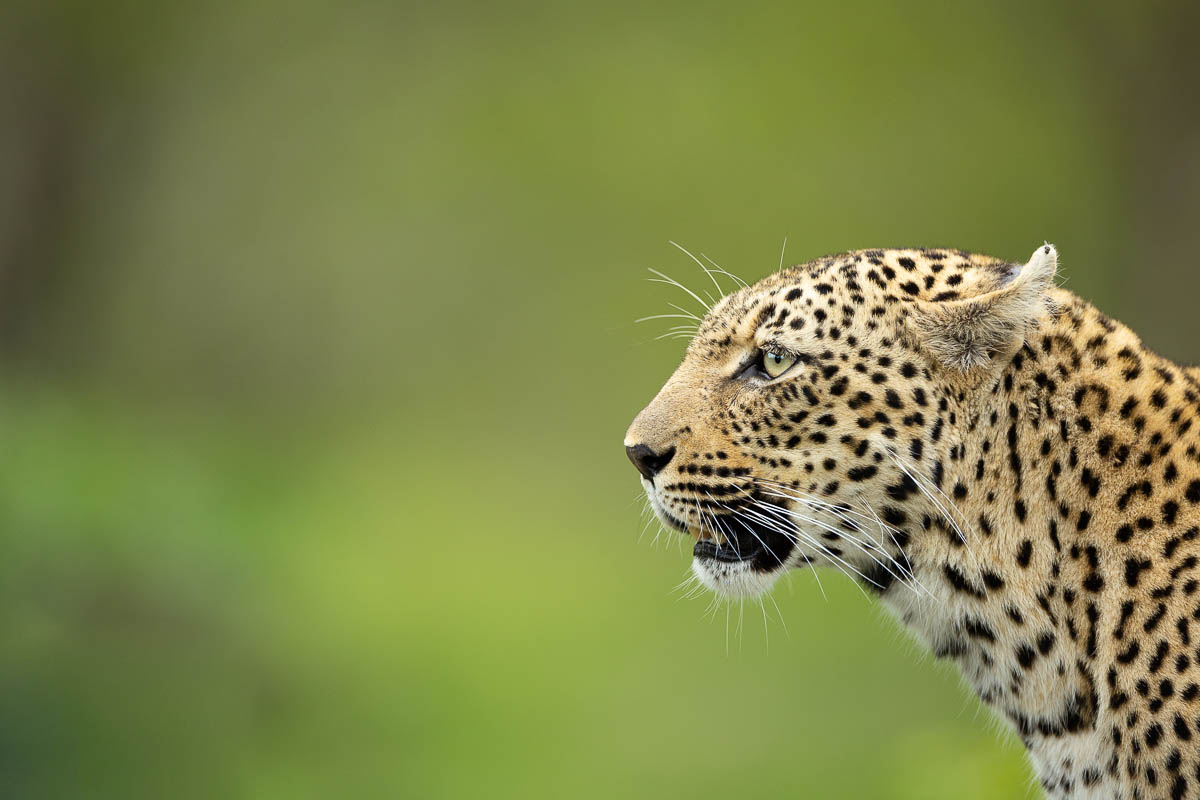
Drive safari with flight from Serengeti to Zanzibar
Destinations
Arusha, Tarangire, Lake Manyara, Central Serengeti, Northern Serengeti, Ngorongoro Crater, Zanzibar
Tour Overview
This two-week safari offers sufficient time to experience Tanzania at a practical pace. The tour begins in Arusha before continuing through Tarangire, Lake Manyara, Serengeti, and the Ngorongoro Conservation Area, and come to a close in Zanzibar. The route balances wildlife viewing with time to settle into each destination.
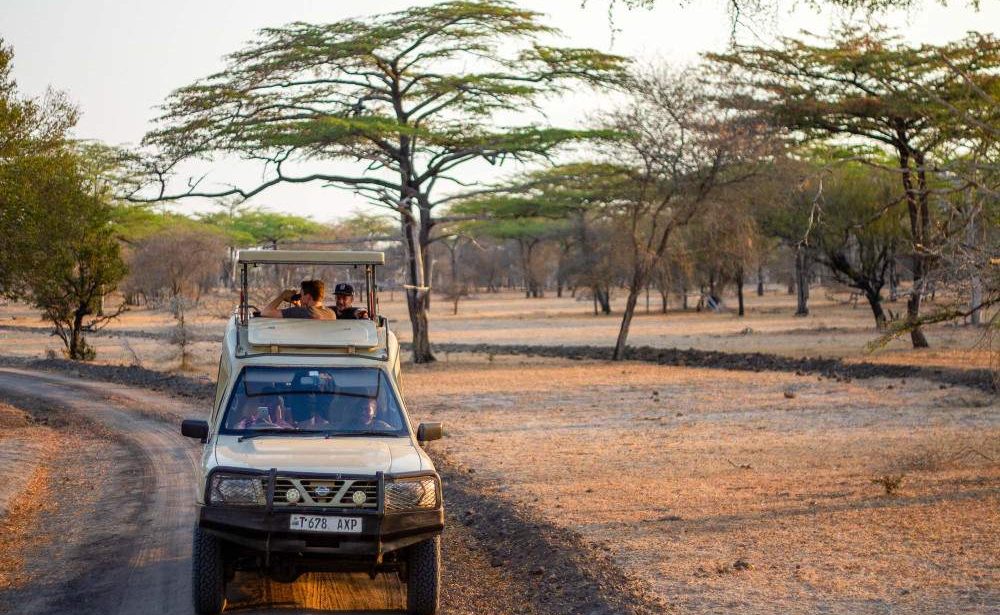
Road transfers are mixed with a domestic flight to Zanzibar, reducing unnecessary travel at the end of the tour. Accommodation throughout this safari focuses on well positioned lodges and camps that give access to wildlife areas straightforward while still allowing proper rest, and comfortable overnight stays.
Contact our Safari Expart
+255 797 117 269
info@kurasatoursandsafaris.com
Full Itinerary
Day 1: Arrival in Arusha
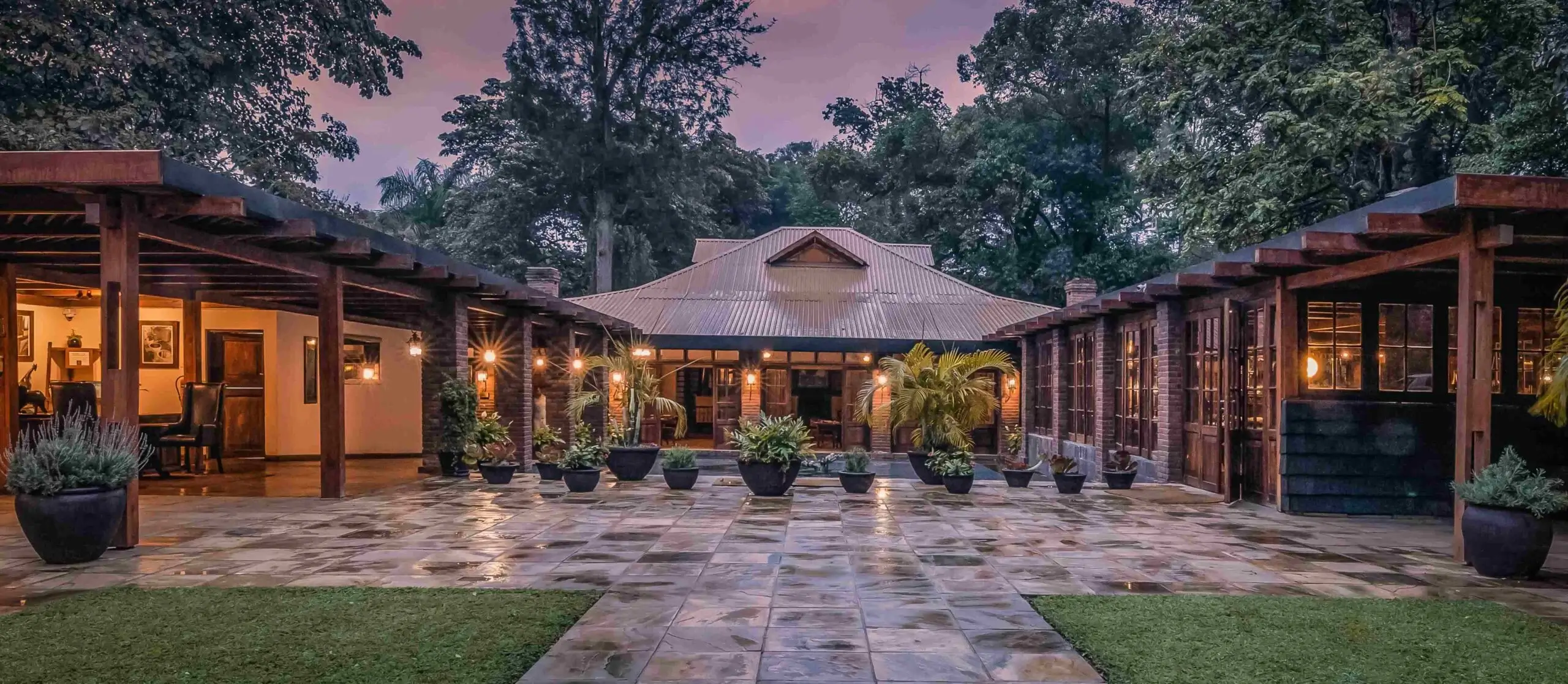
Arrival at Kilimanjaro International Airport is followed by a private transfer to Arusha, a busy safari gateway tucked beneath the slopes of Mount Meru. Depending on arrival time, the remainder of the day is for you to rest after the flight, or a short walk around the lodge and nearby coffee states.
Arusha itself sits at an elevation of about 1,400 metres, making the town cooler in evenings than many first-time visitors expect. Your safari briefing takes place later in the evening with time to review the route, luggage arrangements, park regulations, and the following morning’s departure. Dinner at the lodge.
Meals Plan
Dinner
Overnight
Arusha Coffee Lodge or similar
Day 2: Arusha to Tarangire National Park
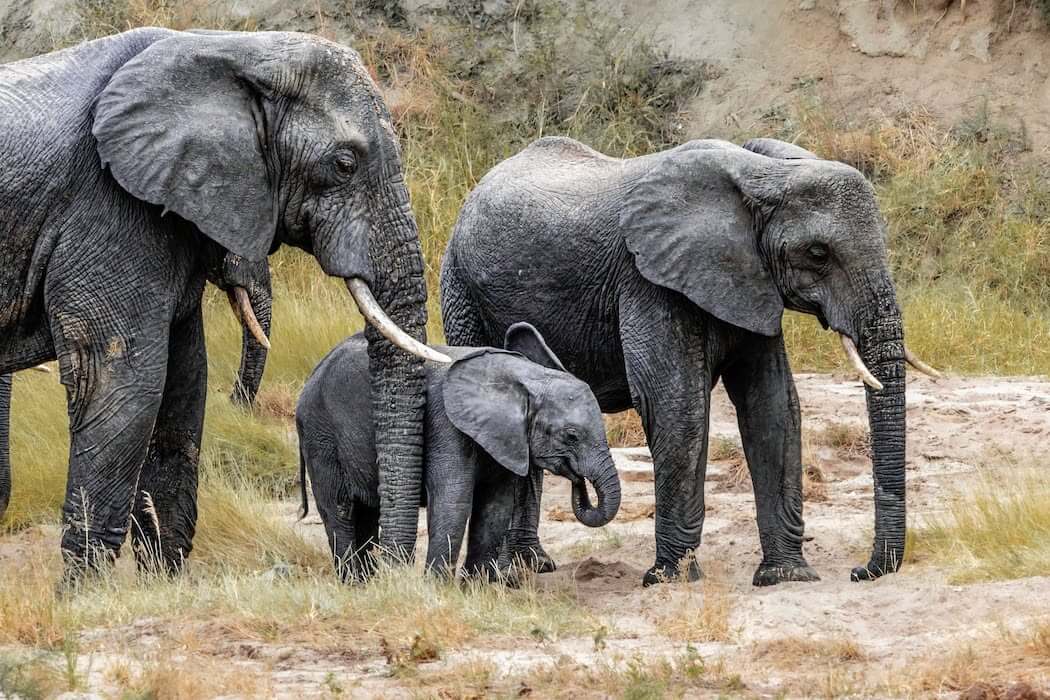
The tour starts after breakfast with a drive south west toward Tarangire National Park, covering roughly 2,850 sq km along the Great Rift Valley floor. Arrival usually coincides with the late morning wildlife activity around the Tarangire River, the park’s permanent water source during the dry season. Tarangire is widely recognised for large elephant concentrations, old baobab trees, and strong predator sightings during certain months of the year.
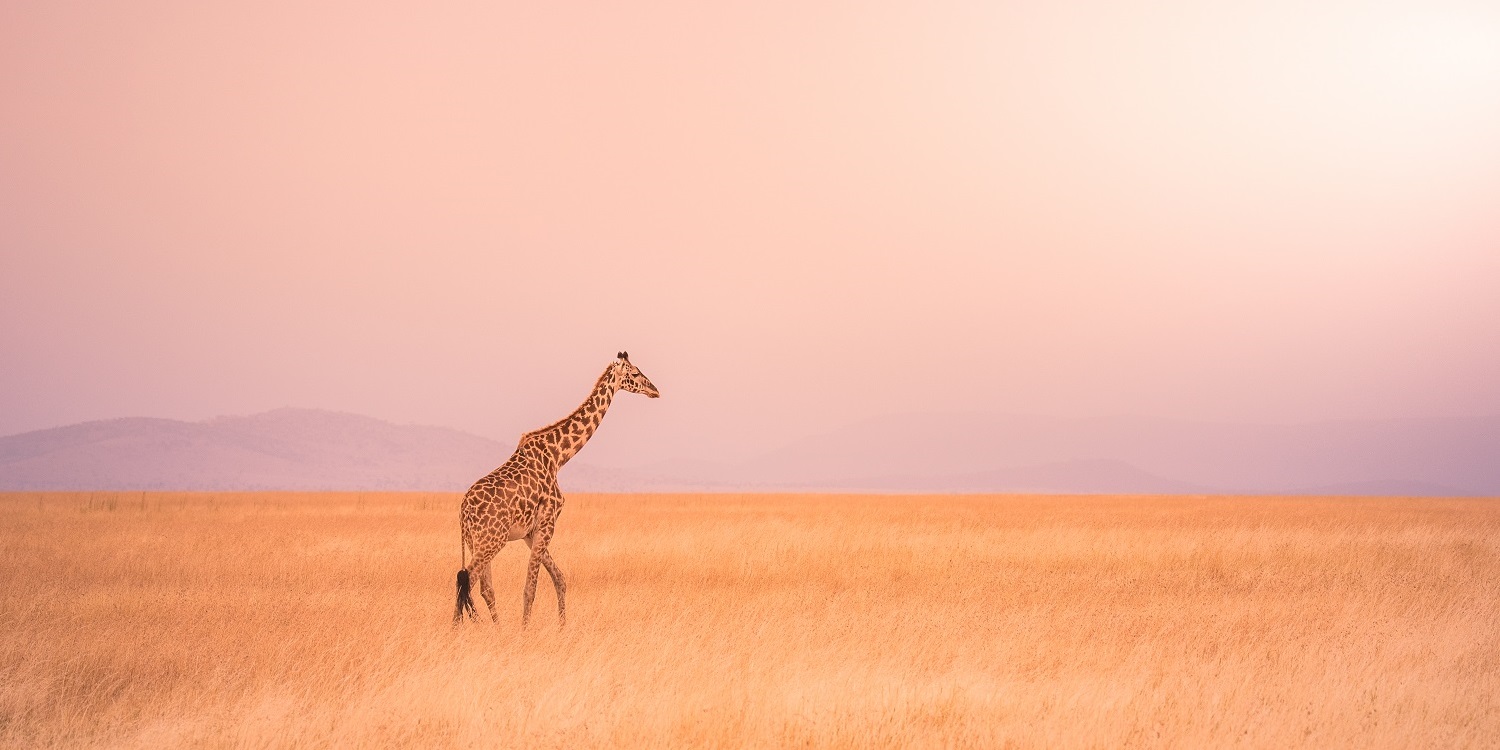
The game drive continues through open grassland, riverbanks, and scattered woodland where giraffes, buffaloes, zebras, and smaller antelope species are frequently seen. Lunch is served at a designated picnic site inside the park before continuing with an afternoon game drive. At about sunset, the drive continues toward the lodge for dinner and overnight.
Meals Plan
Breakfast, Lunch and Dinner
Overnight
Tarangire Treetops or similar
Day 3: Tarangire to Lake Manyara
The morning begins with breakfast at the lodge before departing for Lake Manyara National Park – a compact but ecologically varied area covering approximately 330 sq km, much of it occupied by the lake itself. The park’s groundwater forest creates a noticeable contrast from Tarangire’s dry terrain, with thick fig trees, acacias, and shaded elephant trails near the entrance gate.
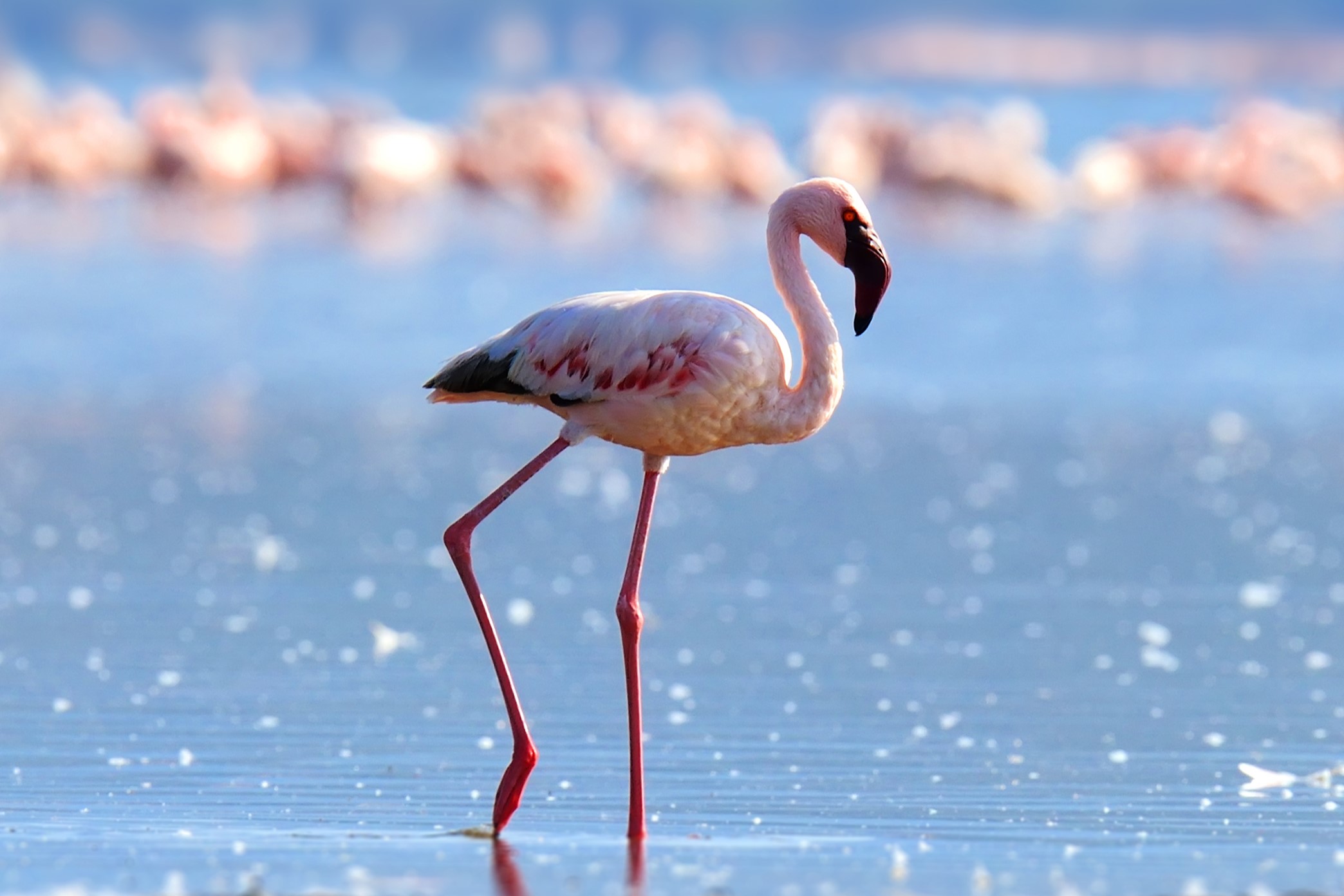
Wildlife viewing here often includes baboons, hippos, elephants, and large bird populations concentrated near the lakeshore. During certain seasons, flamingos gather in impressive numbers along the alkaline waterline.
Lunch is served at a picnic site overlooking parts of the lake before the afternoon drive continues through forest sections and open floodplains. By late afternoon, the tour heads toward Karatu for dinner and overnight.
Meals Plan
Breakfast, Lunch and Dinner
Overnight
Kitela Lodge or similar
Day 4: Karatu to Central Serengeti
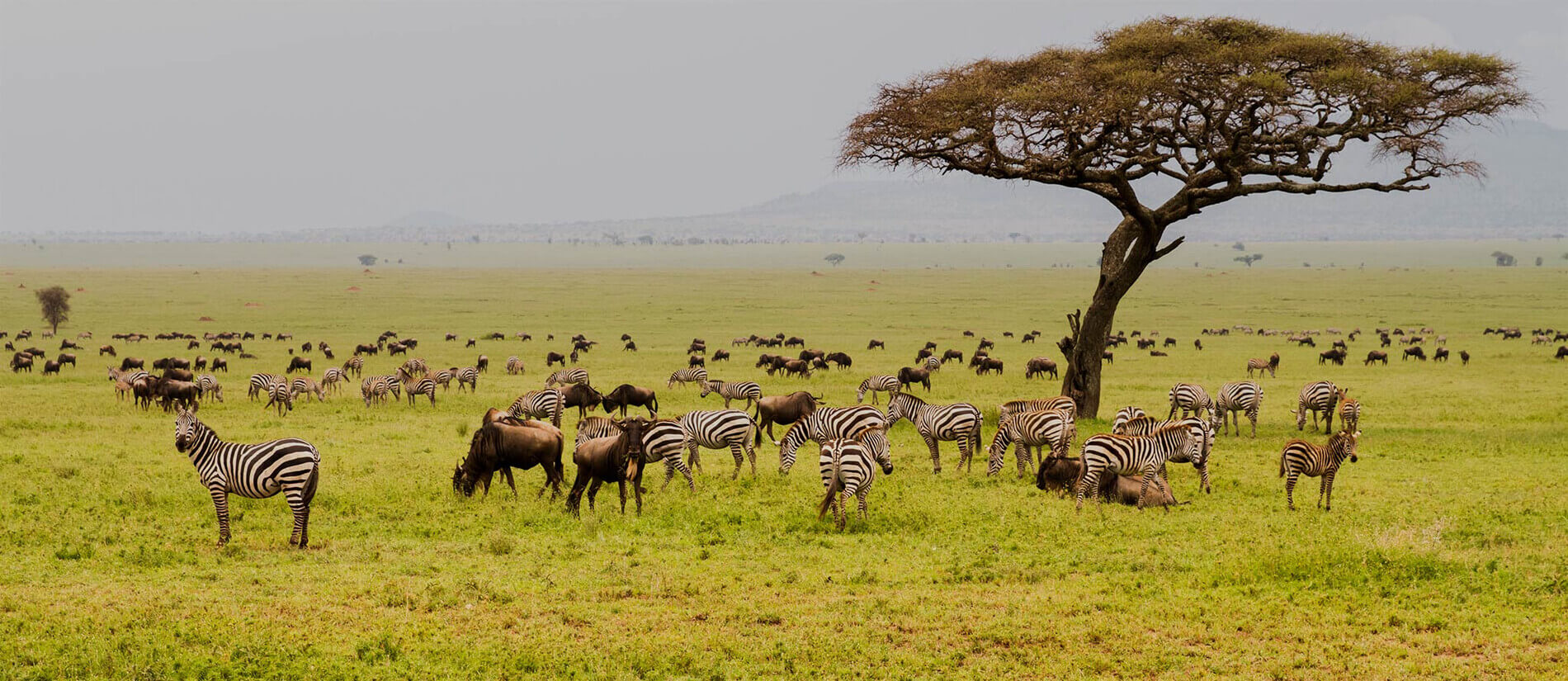
Today involves one of the longer drives of the safari, though the changing scenery makes the route particularly interesting. The road passes through the Ngorongoro Conservation Area where Maasai settlements and open grasslands dominate much of the landscape before descending toward Serengeti National Park. Covering close to 14,763 sq km, Serengeti remains central to Tanzania’s safari industry because of its year round wildlife movement and extensive predator population.
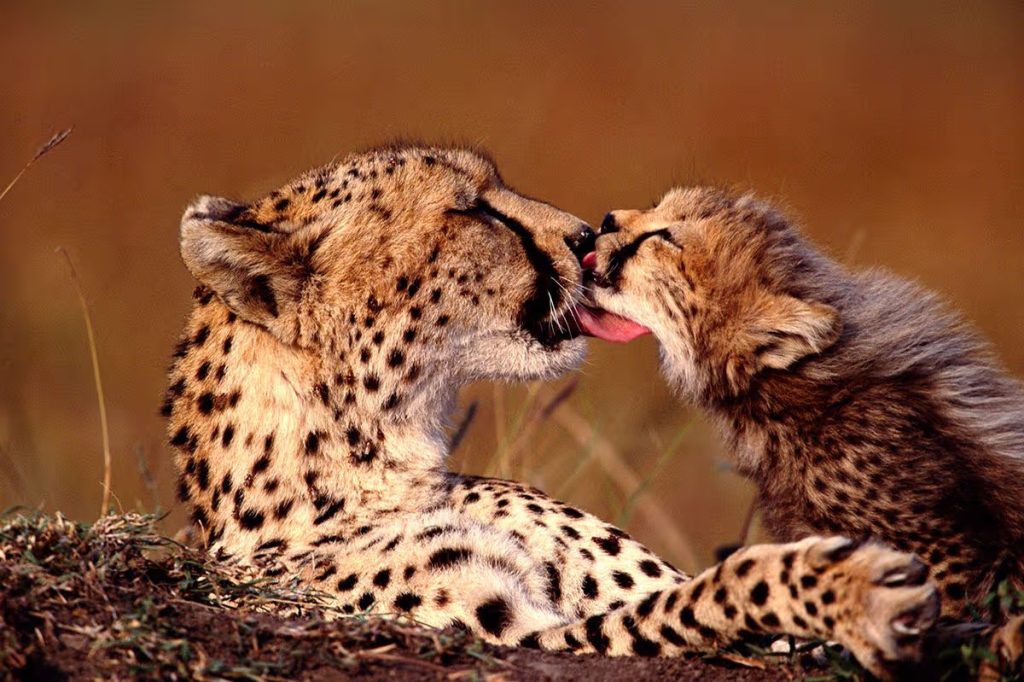
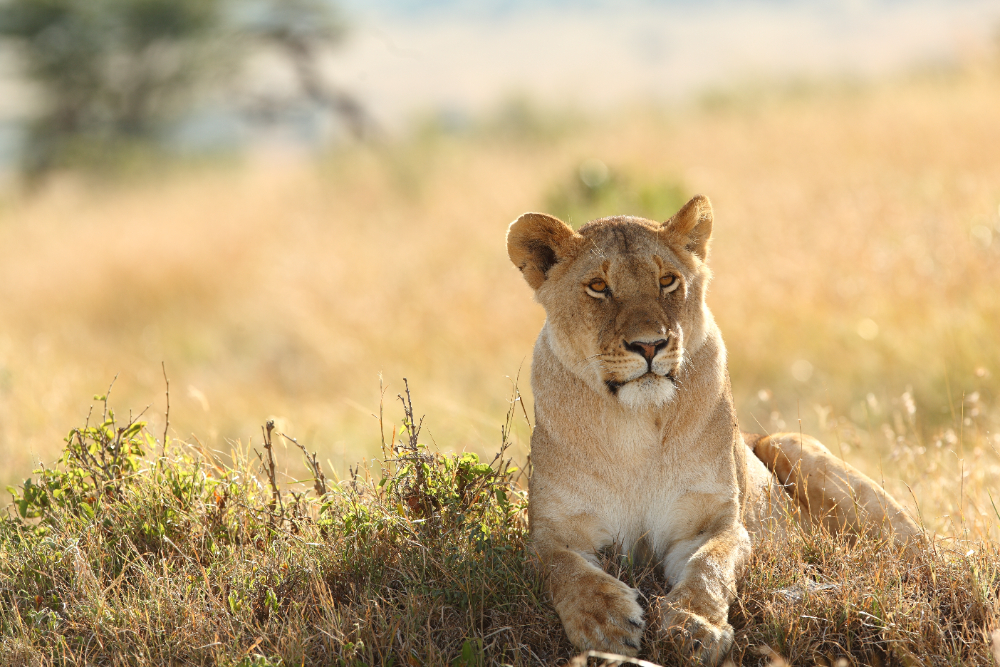
Entry into the park often marks the beginning of the first serious game viewing session, with sightings possible immediately after passing Naabi Hill Gate. A picnic lunch is taken en route before continuing deeper into Central Serengeti, an area known for lions, cheetahs, and resident wildlife populations throughout the year. Dinner is served at camp later in the evening.
Meals Plan
Breakfast, Lunch and Dinner
Overnight
Kubu Kubu Tented Lodge or similar
Day 5: Central Serengeti Game Drives
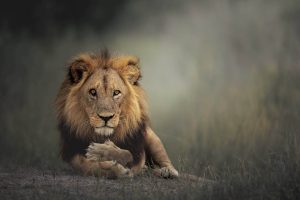
The Seronera region contains permanent water sources that support wildlife throughout the year, often producing strong sightings even outside migration months. The morning game drive may include hyenas returning from night activity, lion prides resting near kopjes, or cheetahs scanning the grassland shortly after sunrise.
Guests interested in a hot air balloon safari may depart before dawn for the optional activity, followed by a bush breakfast after landing. Later in the day, lunch is served back at camp before continuing with another game drive through river valleys and open plains where elephants, giraffes, and crocodiles are regularly encountered. The evening concludes with dinner and time around the campfire before overnight.
Meals Plan
Breakfast, Lunch and Dinner
Overnight
Kubu Kubu Tented Lodge or similar
Day 6: Central Serengeti to Northern Serengeti
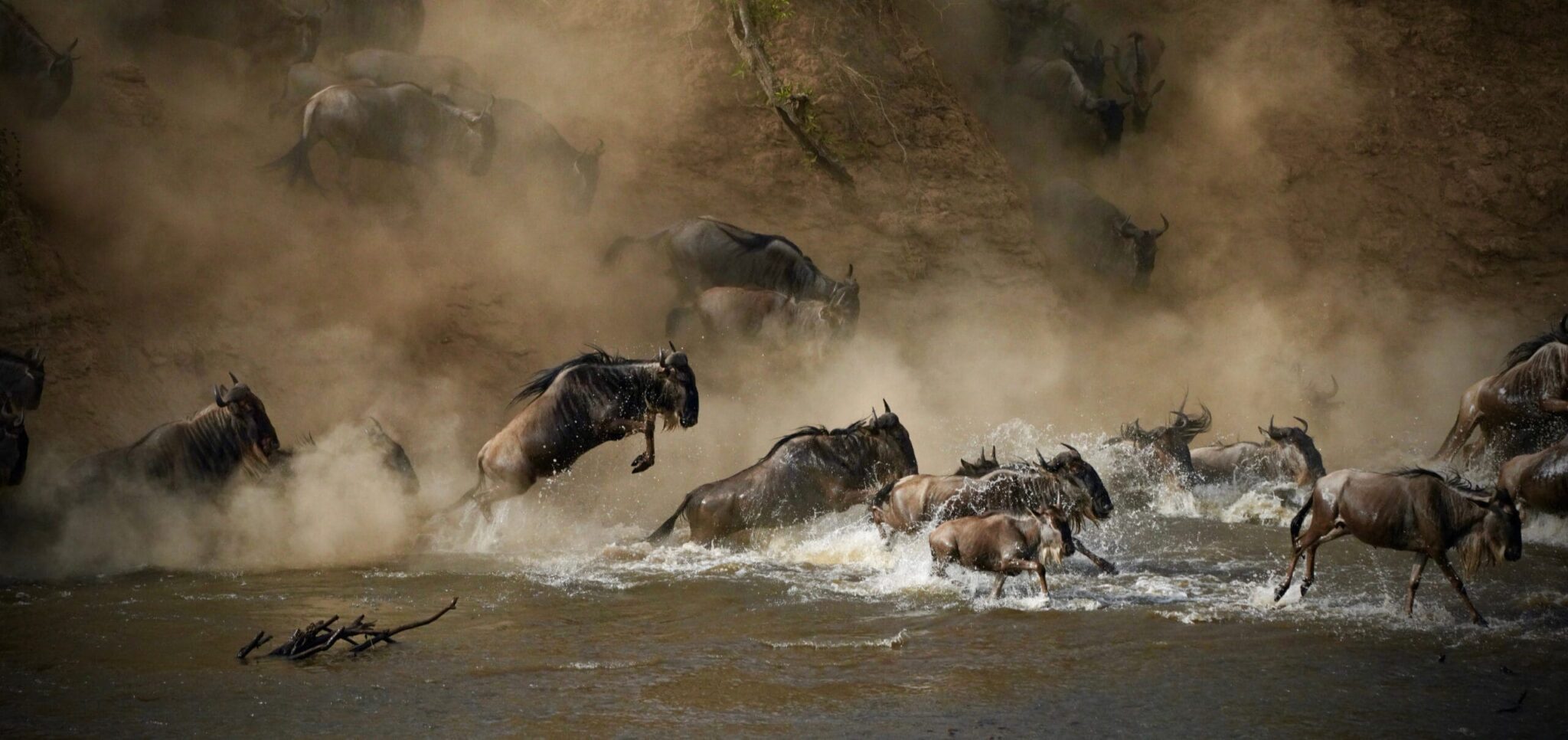
The route north introduces a noticeable change in terrain as open plains gradually give way to rolling grassland, scattered woodland, and rocky outcrops near the Mara River system. This section of Serengeti receives considerable attention during migration months when wildebeest crossings attract predators and safari vehicles from different sectors of the park. Wildlife activity here often changes by season, making every drive slightly unpredictable.
The game drive continues steadily toward camp with stops for wildlife sightings and a picnic lunch along the route. Northern Serengeti generally receives fewer vehicles than Central Serengeti outside migration periods, creating longer uninterrupted wildlife observations.
Late afternoon light around the riverbanks can produce excellent conditions for photography before the final drive to camp. Dinner follows after sunset with overnight in the northern sector.
Meals Plan
Breakfast, Lunch and Dinner
Overnight
Mara Mara Tented Lodge or similar
Day 7: Northern Serengeti Game Drives
The Mara River region shapes much of today’s activities, particularly during migration periods when large herds gather along steep riverbanks before crossing. Timing remains unpredictable and sightings depend entirely on wildlife movement, though the surrounding area still supports excellent resident game throughout the year.
Crocodiles remain common near deeper river sections while lions and hyenas frequently patrol nearby plains where herds feed. Away from the migration corridors, the northern sector also supports elephant groups, topis, giraffes, and smaller cat species. Lunch is arranged at camp during the warmer part of the afternoon before continuing with another game drive later in the day when wildlife activity improves again. The slower pace of the northern region often becomes one of the quieter highlights of longer safaris. Dinner is served back at camp before overnight.
Meals Plan
Breakfast, Lunch and Dinner
Overnight
Mara Mara Tented Lodge or similar
Day 8: Northern Serengeti to Central Serengeti
This morning begins with a final game drive in the northern section before gradually returning toward Central Serengeti. The drive allows time to revisit wildlife areas that may have produced shorter sightings earlier in the safari, particularly around kopjes and seasonal river channels where predators remain active during daylight hours. Picnic lunch is served on the route beneath shaded acacia trees before continuing southward through the wider Serengeti ecosystem.
With fewer time restrictions today, the guide can adjust the route depending on recent wildlife reports, road conditions, and animal activity in surrounding sectors. By late afternoon, arrival back in Central Serengeti provides time to settle into camp and enjoy a slower evening after several full days of wildlife viewing. Dinner follows with overnight inside the park.
Meals Plan
Breakfast, Lunch and Dinner
Overnight
Kubu Kubu Tented Lodge or similar
Day 9: Central Serengeti to Ngorongoro Highlands
The morning remains available for one last game drive in Central Serengeti before beginning the gradual return toward the Ngorongoro Conservation Area. Wildlife viewing often continues productively during this transfer since the route still passes through active game areas where predators, elephants, and large herbivore groups are regularly observed. Lunch is served near Naabi Hill Gate before ascending into the cooler highlands of Ngorongoro.
The change in temperature becomes noticeable almost immediately as the road gains elevation toward the crater rim and surrounding coffee growing areas. Unlike the open plains of Serengeti, this section introduces forested slopes, misty hillsides, and quieter lodge settings. Arrival at the lodge takes place in the late afternoon with enough time to rest, review photographs, or enjoy views over the surrounding countryside before dinner.
Meals Plan
Breakfast, Lunch and Dinner
Overnight
Ngorongoro Lion’s Paw Camp or similar
Day 10: Ngorongoro Crater Tour
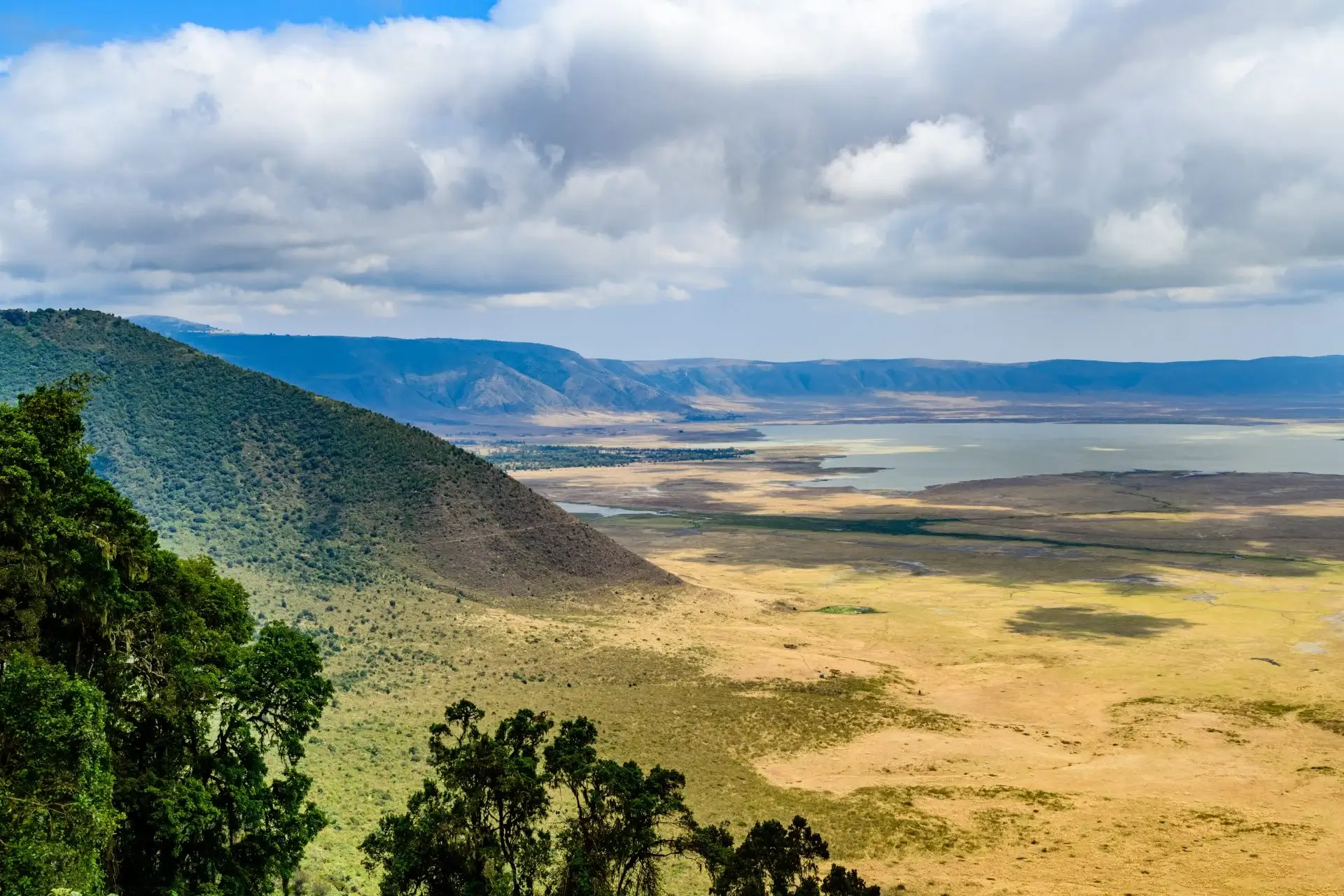
Today focuses on the Ngorongoro Crater, the world’s largest intact volcanic caldera measuring roughly 260 square kilometres with walls rising more than 600 metres from the crater floor. Descent into the crater usually begins early due to gate procedures and wildlife activity during the cooler hours.
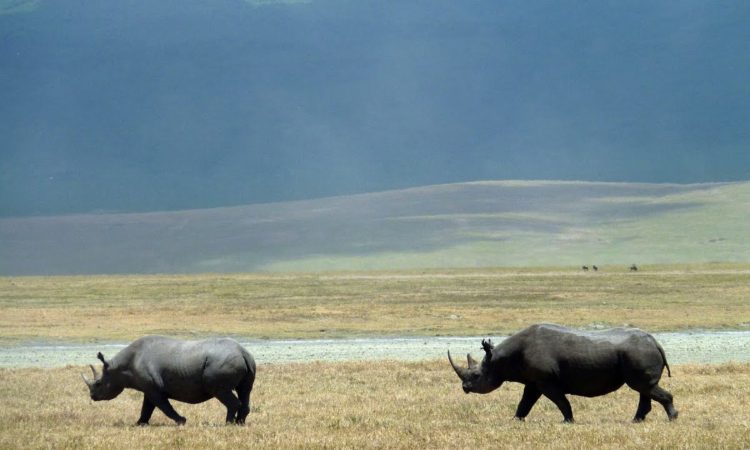
The crater supports year round wildlife populations because of its permanent water availability and enclosed geography. Game viewing here often includes buffaloes, lions, hippos, hyenas, zebras, and large elephant bulls, particularly around forested sections near Lerai. Lunch is served at the designated picnic site beside the hippo pool where birdlife and open grassland create a different atmosphere from the surrounding highlands.
After several hours on the crater floor, the afternoon drive continues back toward Karatu for dinner and overnight at the lodge.
Meals Plan
Breakfast, Lunch and Dinner
Overnight
Kitela Lodge or similar
Day 11: Karatu to Zanzibar
A transition day follows after the intensity of the safari circuit. The morning drive returns to Arusha where a domestic flight later connects to Zanzibar Island. Upon arrival, transfer continues toward the coast where the remainder of the afternoon stays open for rest after the flight and road journey.
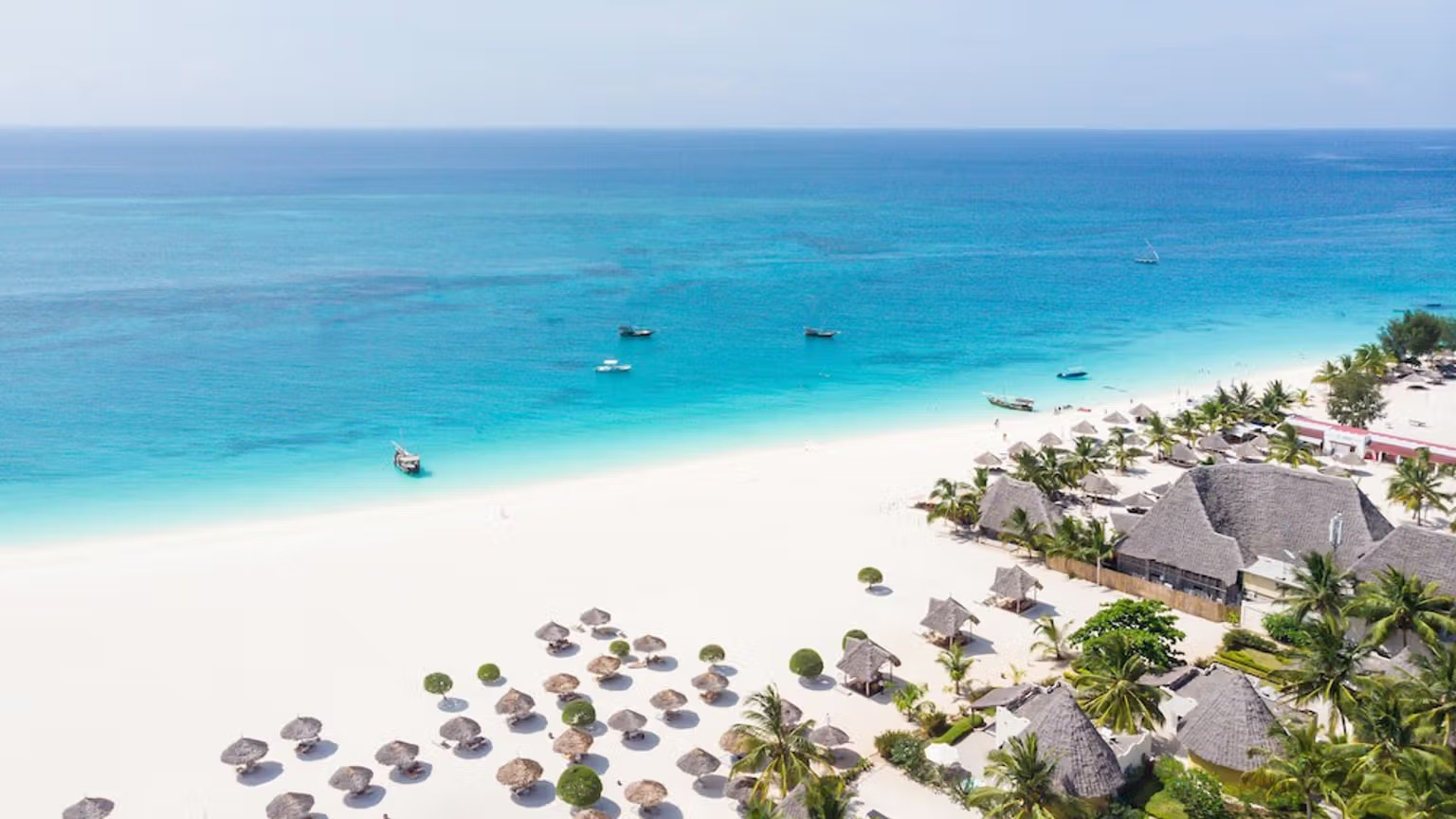
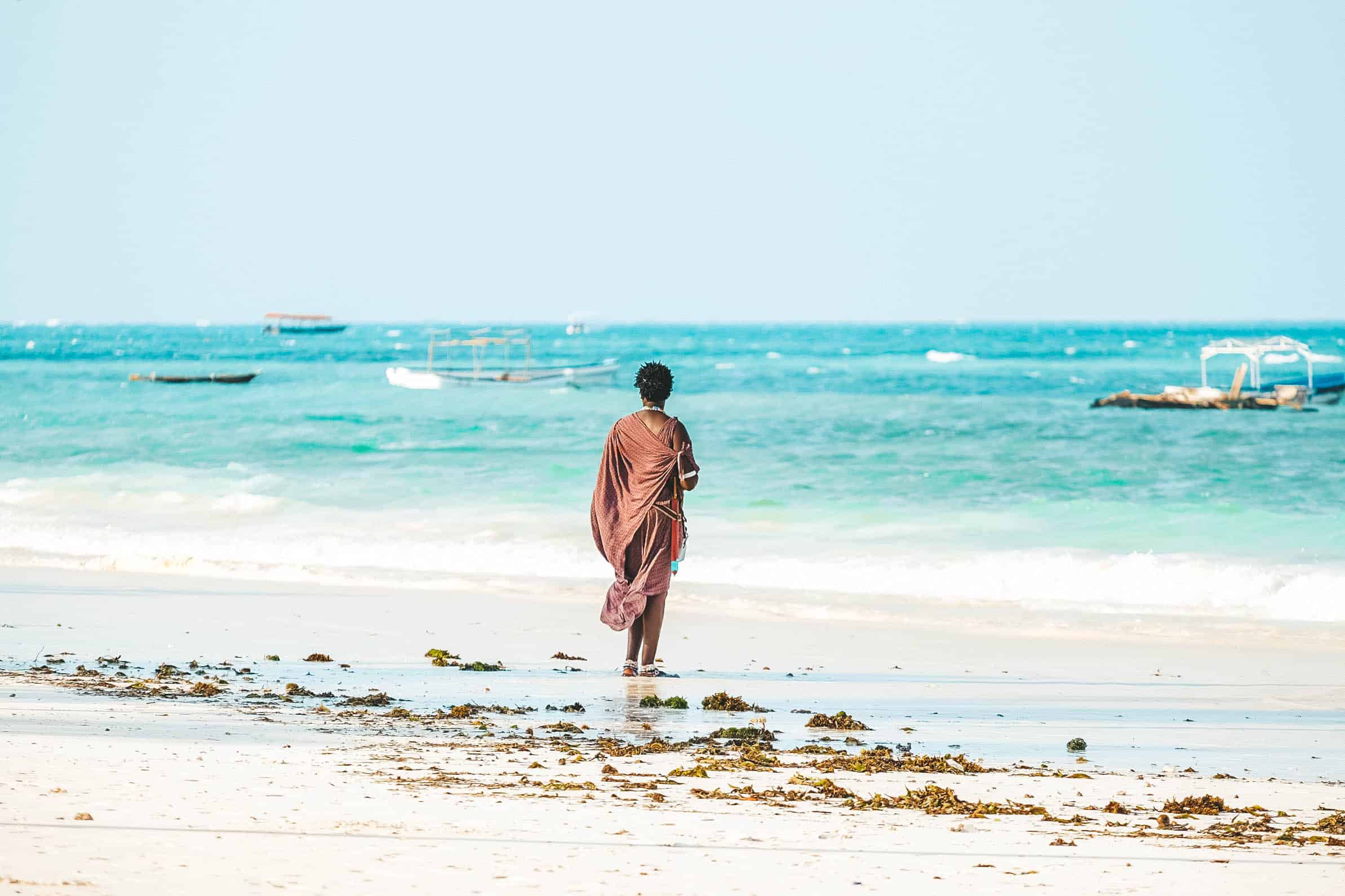
Zanzibar introduces an immediate contrast from the mainland safari environment, with humid sea air, coral stone architecture, coconut palms, and the slower pace of the Indian Ocean shoreline. Depending on arrival time, there may be an opportunity for a short beach walk or sunset drinks near the water before dinner. The evening remains intentionally relaxed after several days of continuous game drives and long road transfers through the northern parks.
Meals Plan
Breakfast, Lunch and Dinner
Overnight
Zuri Zanzibar or similar
Day 12: Zanzibar Beach Stay
Today remains free for personal activities along Zanzibar’s northern coastline, an area known for tidal independence that allows swimming through much of the day. Some travellers prefer a slower schedule with time at the beach or resort pool, while others arrange optional activities such as snorkelling, diving excursions, dhow sailing, or spice farm visits inland.
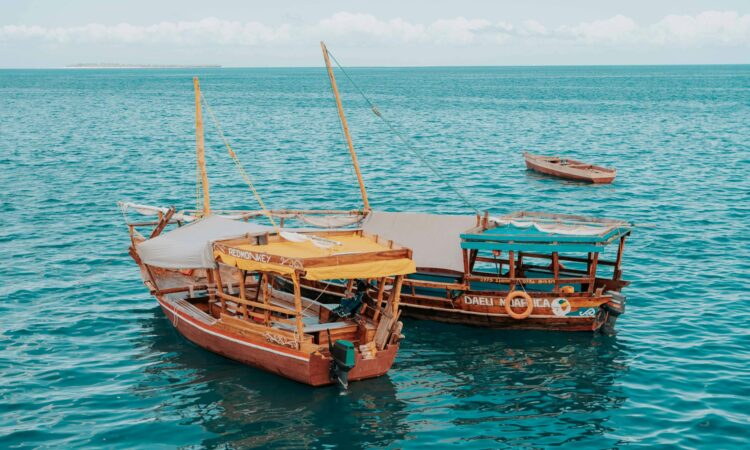
Fishing communities remain active along parts of the coast, particularly during the early morning and late afternoon when wooden boats return with the day’s catch. Lunch is served at the resort with the afternoon left open for rest or water activities depending on conditions at sea. As evening approaches, the shoreline atmosphere changes noticeably with cooler temperatures and calmer beaches before dinner is served back at the resort.
Meals Plan
Breakfast, Lunch and Dinner
Overnight
Zuri Zanzibar or similar
Day 13: Stone Town Excursion
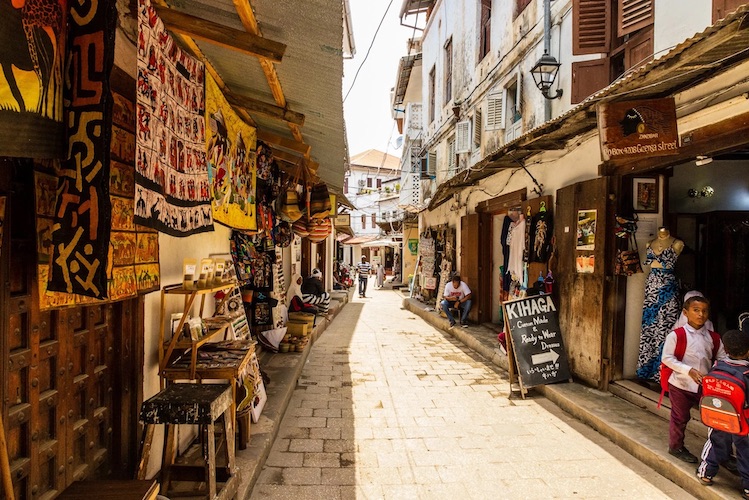
This morning heads toward Stone Town, the historic centre of Zanzibar City and a UNESCO World Heritage Site shaped by centuries of Indian Ocean trade. The excursion introduces a different side of Zanzibar through old coral stone buildings, carved wooden doors, narrow trading passages, mosques, and former merchant residences linked to Arab, Persian, Indian, and Swahili influences.
The walking tour includes local markets, the Old Fort, and the waterfront area where traditional dhow activity still continues daily. Lunch is arranged at a local restaurant before returning to the coast later in the afternoon. The final evening of the itinerary stays intentionally relaxed, allowing time to enjoy the beach, review photographs from the safari, or simply rest before departure preparations the following day.
Meals Plan
Breakfast, Lunch and Dinner
Overnight
Zuri Zanzibar or similar
Day 14: Departure From Zanzibar
The final day remains flexible according to flight timing. A relaxed breakfast is followed by free time at the resort before the transfer to Zanzibar International Airport.
Depending on departure schedules, there may still be time for a short walk along the beach or final views of the coastline before check out. Airport transfer is arranged in advance to ensure a comfortable connection for onward international or regional flights.
Meals Plan
Breakfast
Overnight
Not Included
Price Includes
Park entry fees and concession fees
Internal flight within Serengeti sector where applicable
High end tented camp accommodation
Full board meals during safari
Professional safari guide
Private 4×4 safari vehicle
Bottled water and soft drinks during game drives
Crater service fees
Government taxes
Price Excludes
International flights
Visa fees
Balloon safari
Premium alcoholic beverages
Photography equipment insurance
Travel insurance
Tips and gratuities
Book this tour
Related Safari
Tanzania Wildebeest Migration and Zanzibar Beach Vacation