Tanzania’s Northern Safari Circuit Gives Enough Time To Explore Between The Country’s Most Famous Wildlife Are As. This Tour Program Begins In Tarangire, Known For Its Dry Season Elephant Herds And Ancient Baobab Trees, Before Continuing Into The Serengeti Where The Scale Of The Tour Changes Completely. The Final Leg Of This Safari Adventure Descends Into The Ngorongoro Crater.
This Package Tour Suits Travellers Looking For A Practical Camping Safari With Strong Wildlife Viewing, Long Game Drives, And Time Inside Three National Parks. Accommodation Is Based On Public Campsites With All Meals Prepared By Your Safari Cook.
Contact our Safari Expart
+255 797 117 269
info@kurasatoursandsafaris.com
Full Itinerary
Day 1: Arusha To Tarangire National Park
The Road West Of Arusha Gradually Leaves The City Traffic Behind And Enters Open Maasai Country Before Reaching Tarangire National Park By Late Morning. Covering Roughly 2,850 Km², Tarangire Is Particularly Rewarding During The Dry Months When Wildlife Gathers Near The Tarangire River, One Of The Few Permanent Water Sources In The Area.
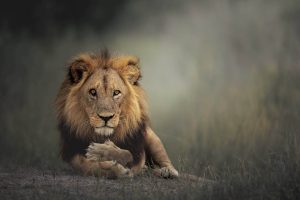
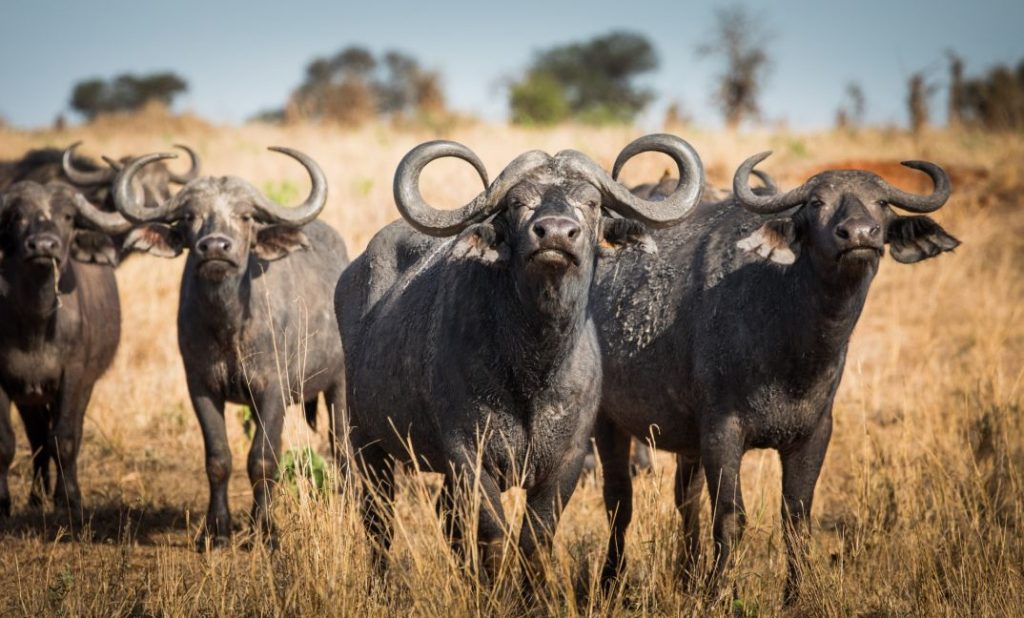
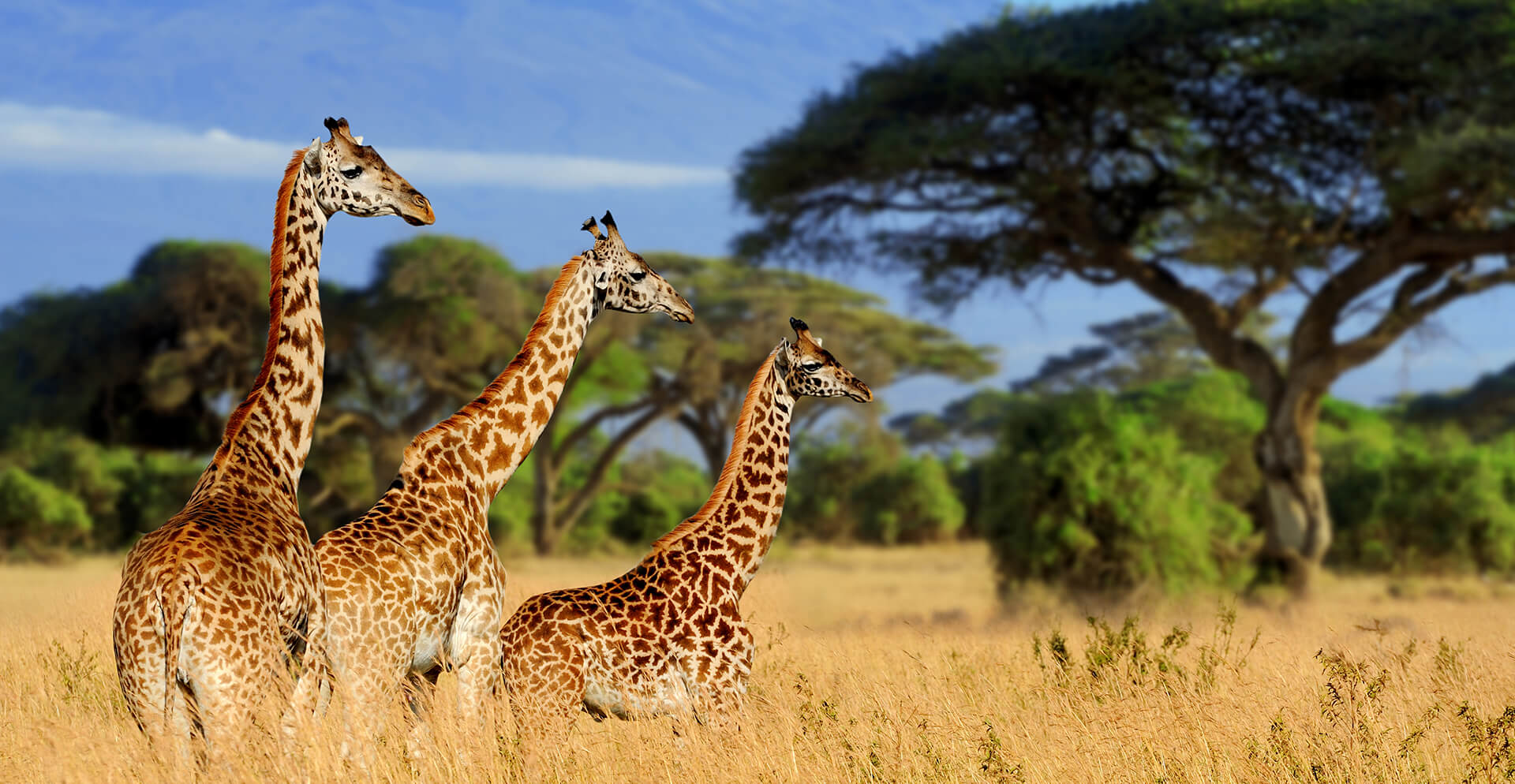
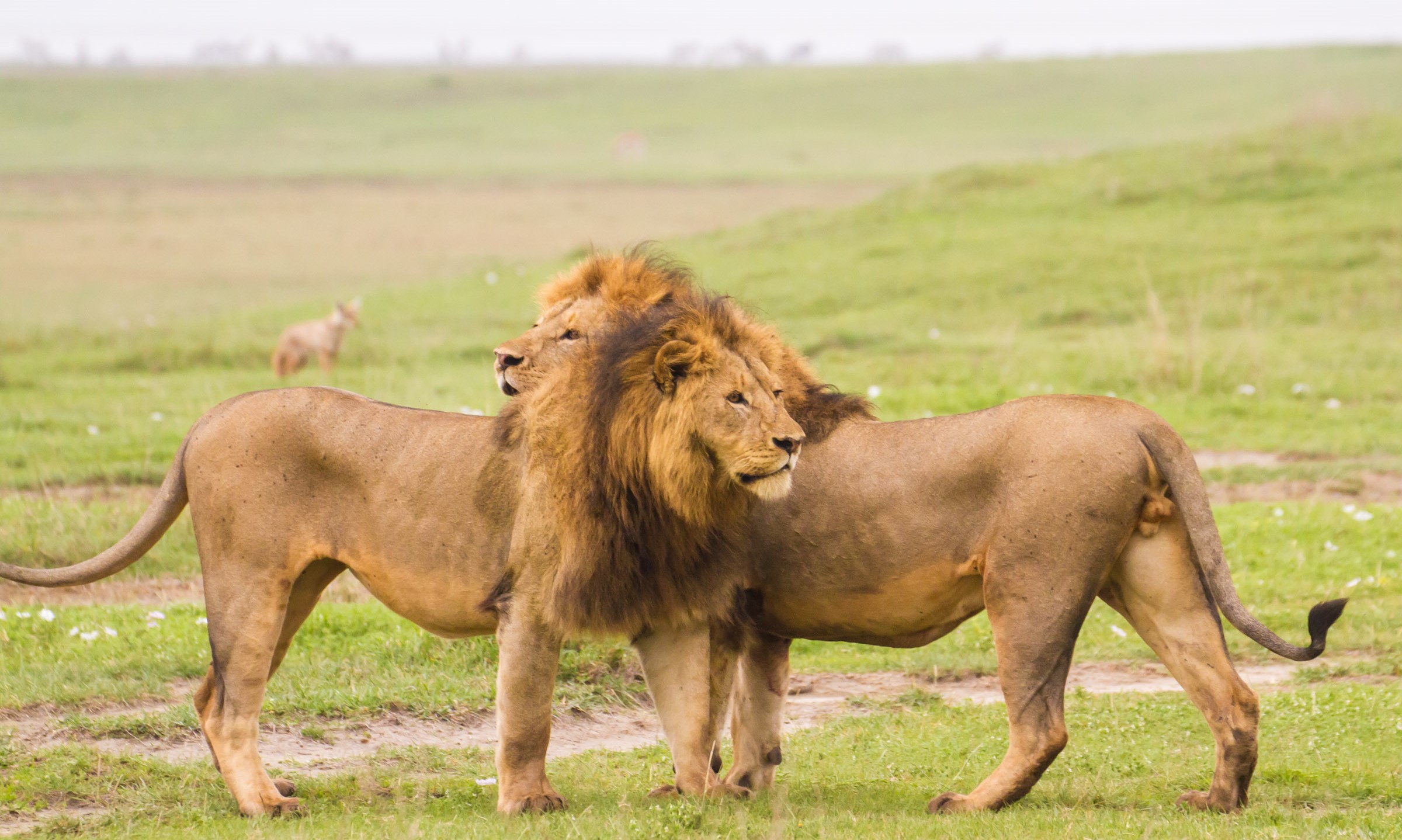
The First Game Drive Usually Brings Early Sightings Of Elephant Herds, Giraffes, Zebra, Buffalo, And Large Groups Of Impala Moving Between Acacia Woodland And Open Grassland. Lions Are Regularly Seen Resting Beneath Sausage Trees During The Warmer Hours. Lunch Is Served At A Public Picnic Site Inside The Park Before Continuing With An Afternoon Drive Deeper Into The Southern Sections. At About Sunset, The Route Proceeds To The Campsite For Dinner And Overnight.
Meals Plan
Lunch and Dinner
Overnight
Public Campsite In Mto Wa Mbu Or Karatu
Day 2: Tarangire To Serengeti Via Ngorongoro Highlands
An Early Departure Allows More Time Inside The Serengeti Ecosystem, With The Drive Passing Through The Ngorongoro Conservation Area Before Entering The Plains Through Naabi Hill Gate. The Terrain Changes Noticeably After The Highlands, Opening Into Wide Grasslands That Continue For Long Distances With Few Interruptions.
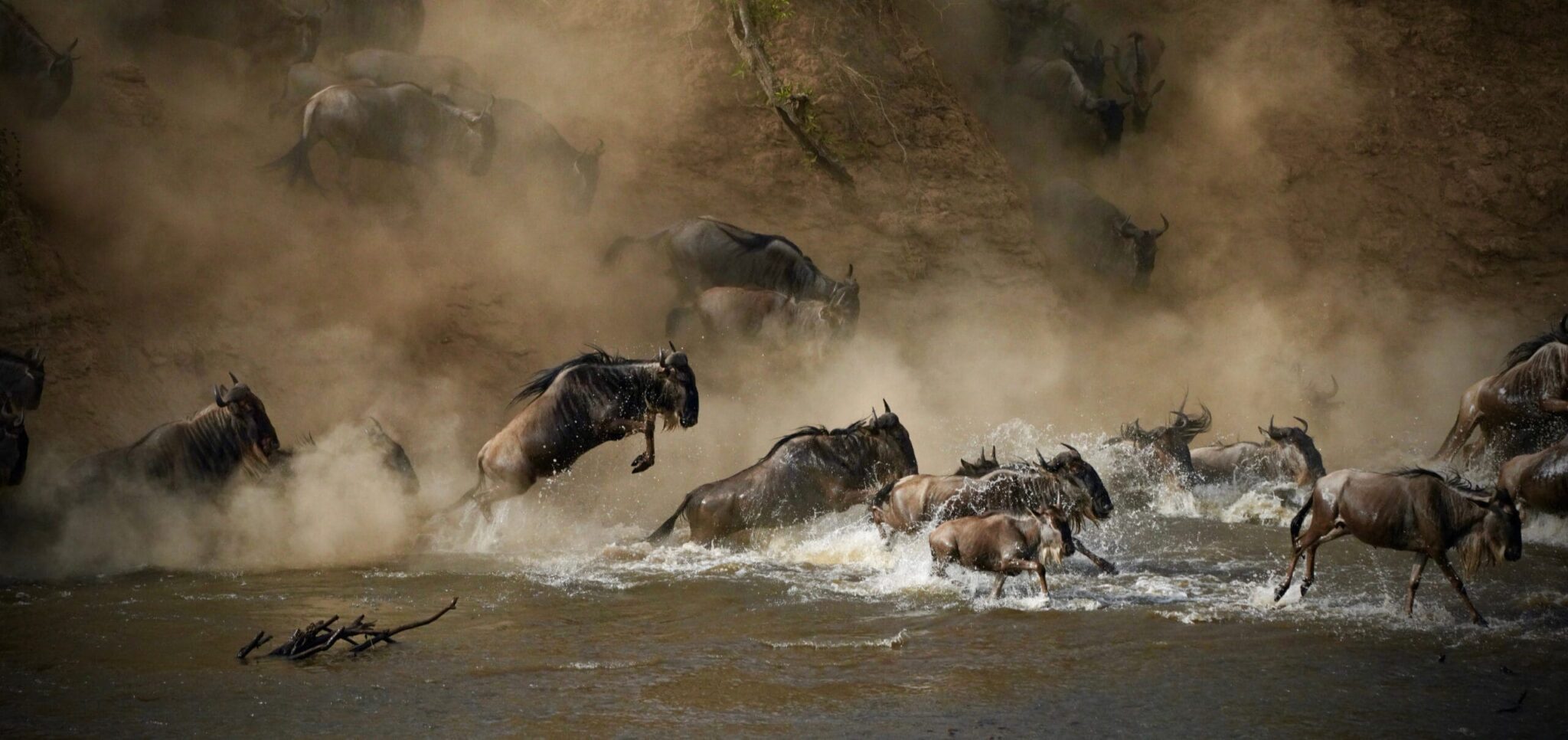
Depending On The Season, The Route May Also Pass Through Sections Occupied By Wildebeest Migration Herds. A Packed Lunch Is Served During The Game Drive To Avoid Cutting Time Short Inside The Park. By Late Afternoon, The Game Drive Continues Toward The Central Serengeti Area Where Wildlife Activity Remains Strong Until Dusk. Dinner Is Prepared At Camp After Arrival.
Meals Plan
Breakfast, Lunch And Dinner
Overnight
Public Campsite In Central Serengeti
Day 3: Serengeti - Full Day
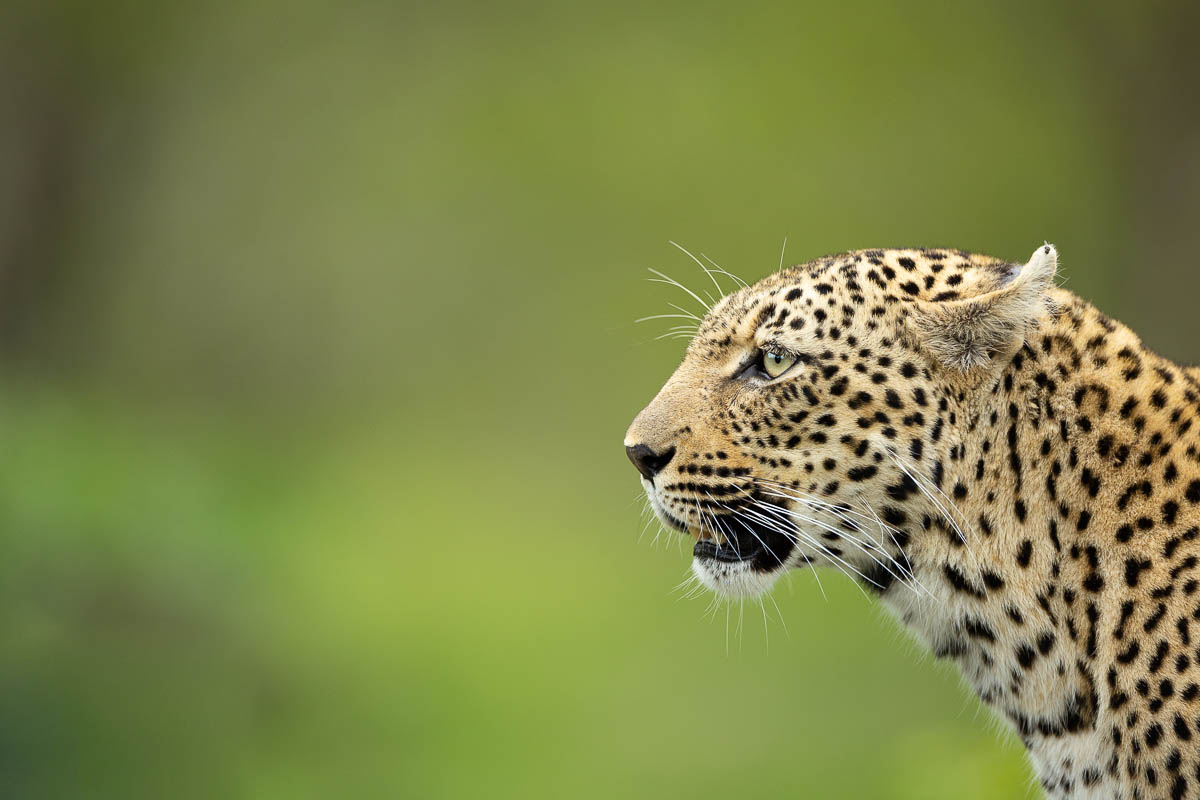
Central Serengeti Usually Starts At Dawn Before Predators Become Active During The Cooler Morning Hours. The Seronera Valley Remains One Of The Better Locations For Year Round Wildlife Viewing Due To Its Permanent Water Supply And Concentration Of Resident Animals. Leopards Are Regularly Spotted Near Riverine Trees While Hyenas And Jackals Patrol The Open Grassland Searching For Scavenging Opportunities.
An Optional Hot Air Balloon Safari Is Available This Morning With Advance Reservation. The Day Activity Continues With An Extended Game Drive Through The Seronera Region, Including Smaller Tracks Often Avoided By Larger Vehicles. Lunch Is Taken At A Designated Picnic Site Before Continuing Toward Additional Wildlife Areas In The Afternoon. Back At Camp, Evenings Are Usually Relaxed Around The Fire While The Cooking Crew Prepares Dinner.
Meals Plan
Breakfast, Lunch And Dinner
Overnight
Public Campsite In Central Serengeti
Day 4: Serengeti To Ngorongoro Conservation Area
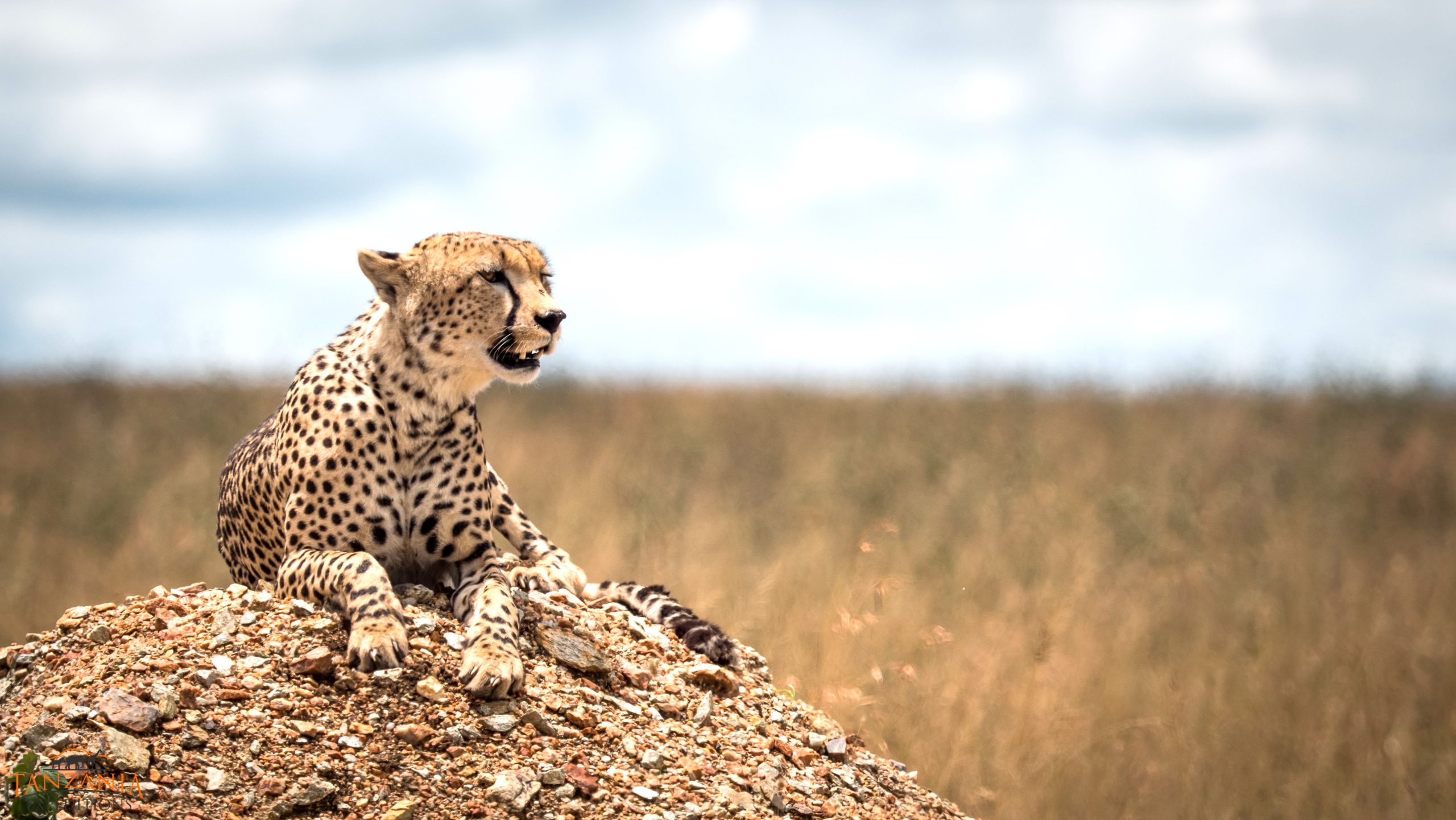
The Morning Game Drive Gradually Heads Southeast Toward The Ngorongoro Conservation Area While Still Allowing Time For Wildlife Viewing Inside Serengeti. Large Herds Of Topi, Hartebeest, And Buffalo Are Common Along The Route, And Cheetahs Are Occasionally Seen Resting On Termite Mounds Scanning The Grassland For Movement.
After A Packed Lunch Near The Park Boundary, The Drive Climbs Steadily Toward The Ngorongoro Highlands. Late Afternoon Often Brings Mist Over The Crater Rim, Particularly Between June And August. The Remainder Of The Evening Stays Quiet At Camp, With Time To Prepare For The Early Crater Descent Scheduled In The Next Morning.
Meals Plan
Breakfast, Lunch And Dinner
Overnight
Public Campsite At Ngorongoro Or Karatu
Day 5: Ngorongoro Crater – Drive Back To Arusha
The Day Begins Before Sunrise With A Descent Of Roughly 600 Metres Into The Ngorongoro Crater. Formed By The Collapse Of A Volcanic Mountain Millions Of Years Ago, The Crater Supports A Dense Wildlife Population Within A Relatively Compact Area. Morning Hours Are Usually Productive For Predators, Particularly Lions And Spotted Hyenas Returning From Night Activity.
The Crater Floor Also Supports Black Rhino, Hippos, Large Buffalo Herds, Zebra, And Flamingos Gathered Around Lake Magadi Depending On Water Levels. A Packed Lunch Is Served At The Public Picnic Site Near The Hippo Pool Before Continuing With A Final Game Drive. By Mid Afternoon, Ascend The Crater Wall And Begin The Return Drive Toward Arusha, Arriving In The Early Evening After Completing The Safari Circuit.
Meals Plan
Breakfast And Lunch
Price Includes
Park entry fees and concession fees
Internal flight within Serengeti sector where applicable
High end tented camp accommodation
Full board meals during safari
Professional safari guide
Private 4×4 safari vehicle
Bottled water and soft drinks during game drives
Crater service fees
Government taxes
Price Excludes
International flights
Visa fees
Balloon safari
Premium alcoholic beverages
Photography equipment insurance
Travel insurance
Tips and gratuities
Book this tour
Related Safari
Tanzania Wildebeest Migration and Zanzibar Beach Vacation